Importance of Vaccination for Adults and Children
Vaccination is one of the most effective and successful public health measures ever developed. Vaccines have helped prevent millions of deaths worldwide and significantly reduced the spread of infectious diseases. While many people associate vaccines primarily with childhood immunization, vaccination is equally important for adults.
Immunization protects individuals, families, and communities from potentially serious diseases. By staying up to date with recommended vaccines, both children and adults can reduce their risk of infection and contribute to a healthier society.
In this article, we explore the importance of vaccination, its benefits, and why immunization remains essential throughout life.
What Is Vaccination?
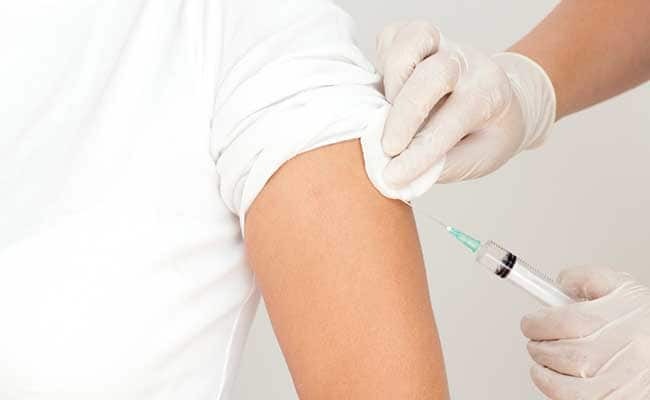
Vaccination is the process of administering a vaccine to help the body's immune system recognize and fight specific diseases.
Vaccines contain weakened, inactive, or harmless parts of disease-causing organisms that stimulate the immune system without causing illness. This prepares the body to respond quickly if exposed to the actual infection in the future.
How Vaccines Work
When a vaccine is administered:
- The immune system recognizes the vaccine components as foreign
- The body produces antibodies to fight the infection
- Immune memory is developed
- Future exposure to the disease triggers a rapid protective response
This process helps prevent illness or significantly reduces disease severity.
Why Vaccination Is Important for Children
Children are particularly vulnerable to infectious diseases because their immune systems are still developing.
Protection Against Serious Diseases
Childhood vaccines protect against potentially life-threatening conditions such as:
- Measles
- Mumps
- Rubella
- Polio
- Diphtheria
- Tetanus
- Pertussis (Whooping Cough)
- Hepatitis B
- Rotavirus
- Pneumococcal infections
Vaccination dramatically reduces the risk of severe illness and complications.
Supports Healthy Growth and Development
Preventing infectious diseases allows children to grow, learn, and develop without interruptions caused by serious illness.
Healthy children are better able to participate in school, sports, and social activities.
Prevents Disease Outbreaks
High vaccination rates help prevent outbreaks in schools, daycare centers, and communities.
This protects children who may be too young or medically unable to receive certain vaccines.
Reduces Hospitalizations
Vaccinated children are less likely to experience severe infections that require hospitalization or intensive medical care.
Why Vaccination Is Important for Adults
Many adults mistakenly believe vaccines are only necessary during childhood. However, immunity from some vaccines can decrease over time, and new vaccines may be recommended as people age.
Continued Protection Against Disease
Adults remain at risk for various infectious diseases, including:
- Influenza (Flu)
- COVID-19
- Pneumonia
- Shingles
- Hepatitis
- Tetanus
Vaccination helps maintain immunity and reduces the likelihood of severe illness.
Protection for Vulnerable Individuals
Adults who are vaccinated help protect:
- Infants
- Elderly family members
- Pregnant women
- Individuals with weakened immune systems
This is especially important for healthcare workers, caregivers, and people in frequent contact with high-risk individuals.
Prevention of Complications
Certain infections can cause serious complications in adults, including:
- Heart problems
- Lung infections
- Neurological complications
- Long-term disability
Vaccines significantly reduce these risks.
Safe Aging and Healthy Living
As people age, their immune systems become less effective. Vaccines help older adults maintain their health and independence.
Common Vaccines Recommended for Children
Childhood Vaccines May Include
- BCG
- Hepatitis B
- Polio
- DPT (Diphtheria, Pertussis, Tetanus)
- Hib Vaccine
- Rotavirus Vaccine
- Measles Vaccine
- MMR (Measles, Mumps, Rubella)
- Pneumococcal Vaccine
- Varicella (Chickenpox) Vaccine
Parents should follow the immunization schedule recommended by healthcare providers.
Common Vaccines Recommended for Adults
Adult Vaccinations May Include
- Annual Influenza Vaccine
- COVID-19 Vaccination and Boosters
- Tetanus-Diphtheria-Pertussis (Tdap) Booster
- Shingles Vaccine
- Pneumococcal Vaccine
- Hepatitis A and B Vaccines
- HPV Vaccine (when appropriate)
Recommendations may vary depending on age, health conditions, occupation, and travel plans.
Understanding Herd Immunity
Herd immunity occurs when a large percentage of a population is vaccinated, making it difficult for diseases to spread.
Benefits of Herd Immunity
- Protects vulnerable individuals
- Reduces disease transmission
- Prevents outbreaks
- Supports community health
Vaccination benefits not only the individual but also society as a whole.
Are Vaccines Safe?
Vaccines undergo extensive testing and monitoring before approval.
Vaccine Safety Measures Include
- Clinical trials
- Regulatory review
- Continuous safety monitoring
- Ongoing scientific evaluation
Most side effects are mild and temporary, such as:
- Soreness at the injection site
- Mild fever
- Fatigue
- Headache
Serious adverse reactions are extremely rare.
Common Myths About Vaccination
- Myth 1: Vaccines Cause Disease
Vaccines do not cause the diseases they are designed to prevent. - Myth 2: Healthy People Do Not Need Vaccines
Even healthy individuals can become infected and spread diseases to others. - Myth 3: Natural Immunity Is Better
Natural infections may provide immunity but can also cause severe illness, disability, or death.
Vaccination offers protection without exposing individuals to the risks of disease.
Benefits of Vaccination
Vaccination provides numerous health benefits:
- Prevents serious diseases
- Reduces hospitalizations
- Saves lives
- Protects vulnerable populations
- Supports public health
- Reduces healthcare costs
- Promotes longer, healthier lives
Vaccines remain one of the most cost-effective preventive healthcare measures available.
When to Consult a Healthcare Provider
Speak with a healthcare professional about:
- Recommended vaccines for your age
- Catch-up vaccination schedules
- Travel-related immunizations
- Vaccinations during pregnancy
- Vaccines for chronic medical conditions
A personalized vaccination plan ensures optimal protection.
Conclusion
Vaccination plays a vital role in protecting both children and adults from potentially serious infectious diseases. By strengthening the immune system, preventing outbreaks, and supporting community health, vaccines continue to save millions of lives worldwide.
Staying up to date with recommended immunizations is one of the simplest and most effective ways to safeguard your health and the well-being of those around you. Whether for a child beginning their vaccination schedule or an adult maintaining lifelong immunity, vaccines remain an essential part of preventive healthcare.