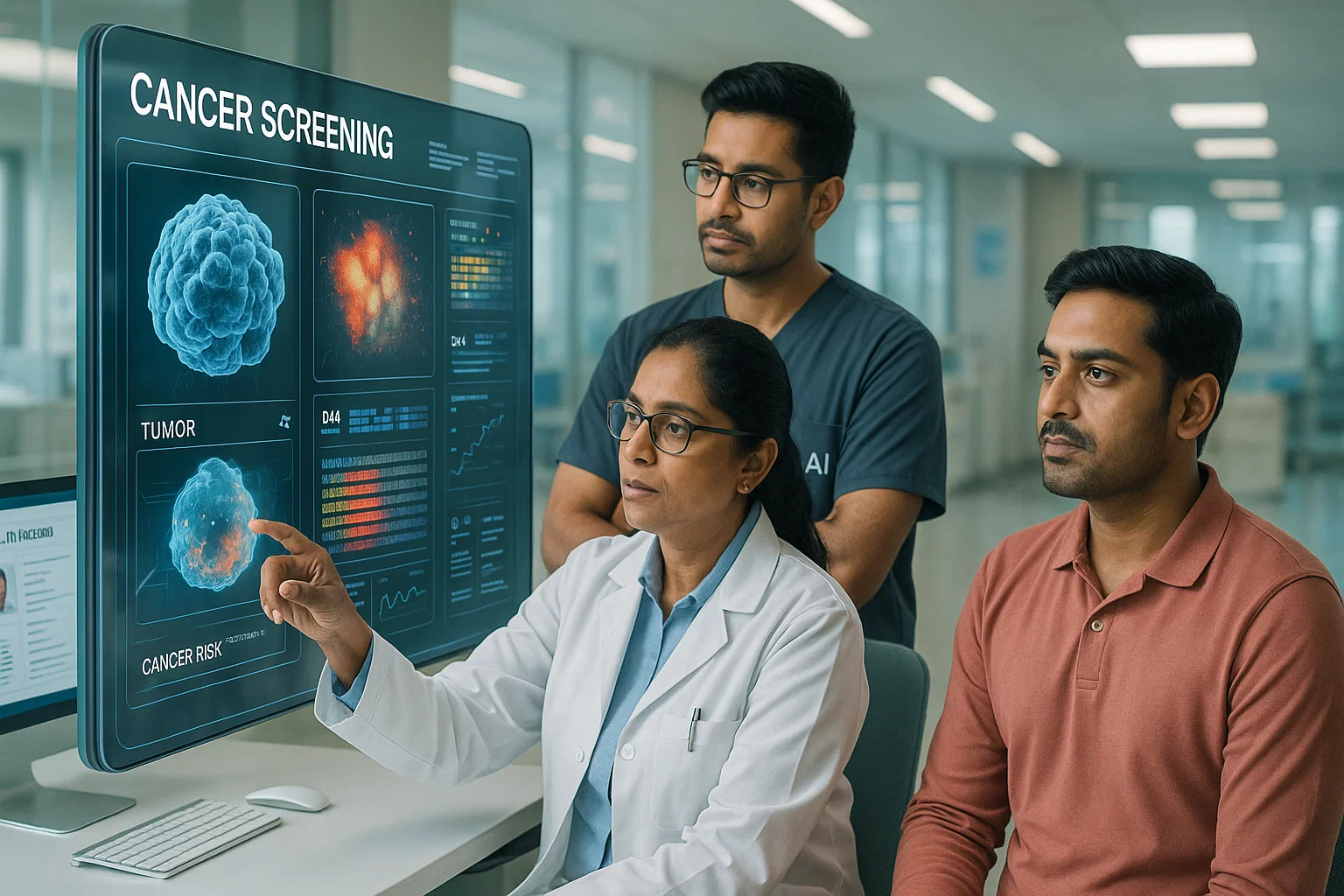
Beyond Awareness: The Critical Role of Early Cancer Diagnosis
National Cancer Awareness Day, observed in India on November 7, highlights the importance of cancer prevention, early detection and timely treatment. Although a cancer diagnosis can be emotionally challenging for patients and their families, advances in medical science have expanded treatment options and improved outcomes for many types of cancer.
Cancer develops when abnormal cells grow uncontrollably and may spread to other parts of the body. It is not a single disease; each cancer has distinct characteristics, risk factors and treatment requirements. Understanding these differences is essential to delivering effective, personalised care.
Why Early Diagnosis Matters
Early diagnosis can help identify cancer before it advances, potentially allowing more treatment options and improving the chances of successful treatment. However, some cancers may develop without obvious symptoms, making awareness and appropriate screening particularly important.
Warning signs that warrant medical evaluation include an unexplained lump, persistent cough, unusual bleeding, unexplained weight loss, changes in bowel or bladder habits, difficulty swallowing or a non-healing ulcer. These symptoms do not automatically indicate cancer, but persistent or unexplained changes should not be ignored.
Screening plays an important role in detecting certain cancers before symptoms appear. Depending on age, medical history and individual risk factors, doctors may recommend appropriate screening for breast, cervical or other cancers.
When cancer is suspected, diagnostic evaluation may include clinical examination, imaging, blood tests and biopsy. A biopsy often provides essential information to confirm the diagnosis and identify the cancer type. Additional molecular and biomarker tests, when indicated, can help guide treatment decisions.
From Suspicion to an Accurate Diagnosis
Determining the cancer's type, stage and biological characteristics helps the oncology team develop an appropriate treatment plan. Patients should seek specialist advice, understand their diagnosis and discuss the benefits, risks and expected outcomes of available treatments.
Early evaluation, accurate diagnosis and informed decisions are vital steps towards better cancer care.
PAGE 2
Redefining Cancer Care: Personalised Treatment, Better Possibilities
How advances in oncology and a patient-centred approach are transforming cancer treatment.
Cancer treatment has progressed significantly, moving towards approaches that consider not only where a tumour develops but also its biological characteristics. The goal is to select the most appropriate treatment for each patient while maintaining quality of life.
Understanding Modern Treatment Options
Chemotherapy uses medicines to destroy cancer cells or control their growth. Depending on the diagnosis, it may be used before surgery, after surgery or as a primary treatment.
Targeted therapy focuses on specific molecular changes that contribute to cancer growth. Immunotherapy helps the body's immune system recognise and attack cancer cells. These treatments may be suitable for selected patients depending on the cancer type, biomarker results and clinical assessment.
Surgery and radiation therapy remain essential treatment options for many cancers. Surgery may remove a tumour, while radiation therapy uses high-energy radiation to destroy cancer cells in a targeted area. Some patients benefit from a combination of treatments.
Treatment planning often involves a multidisciplinary team of oncologists, surgeons, radiation specialists, pathologists and radiologists. This collaborative approach helps ensure that decisions are based on the patient's diagnosis, disease stage, overall health and individual needs.
Beyond Treatment: Supporting the Patient
Cancer care extends beyond medicines and medical procedures. Managing treatment-related side effects, maintaining adequate nutrition, addressing emotional concerns and providing rehabilitation are important components of the patient's journey.
Patients and caregivers should feel encouraged to ask questions, understand the purpose of each treatment and attend recommended follow-up appointments. Regular monitoring helps assess treatment response, manage complications and identify potential recurrence when appropriate.
Awareness Can Lead to Action
Preventive measures can reduce the risk of certain cancers. Avoiding tobacco, limiting alcohol, maintaining a healthy weight, staying physically active and receiving recommended vaccinations can contribute to cancer prevention. Following evidence-based screening recommendations and seeking timely medical advice are equally important.
On National Cancer Awareness Day, the message is simple: cancer should neither be ignored nor approached with fear alone. Reliable information, early medical evaluation and evidence-based treatment can help patients make informed decisions.
Every patient's journey is different.
Our responsibility is to combine medical advances with empathy, clear communication and individualised care—because treating cancer means caring for the person, not just the disease.
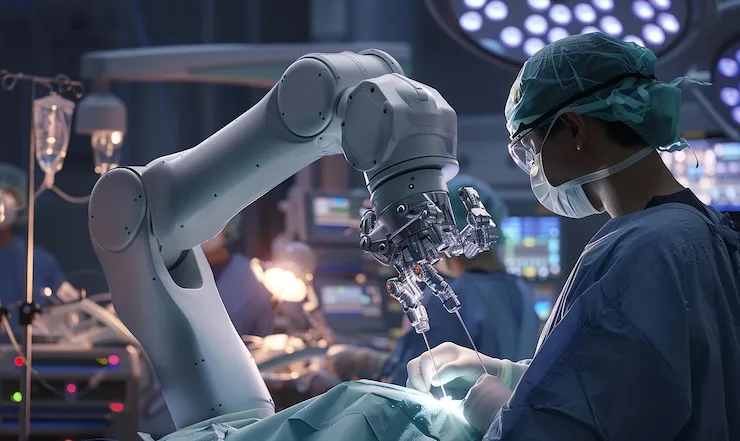
The Future of Women's Surgical Care
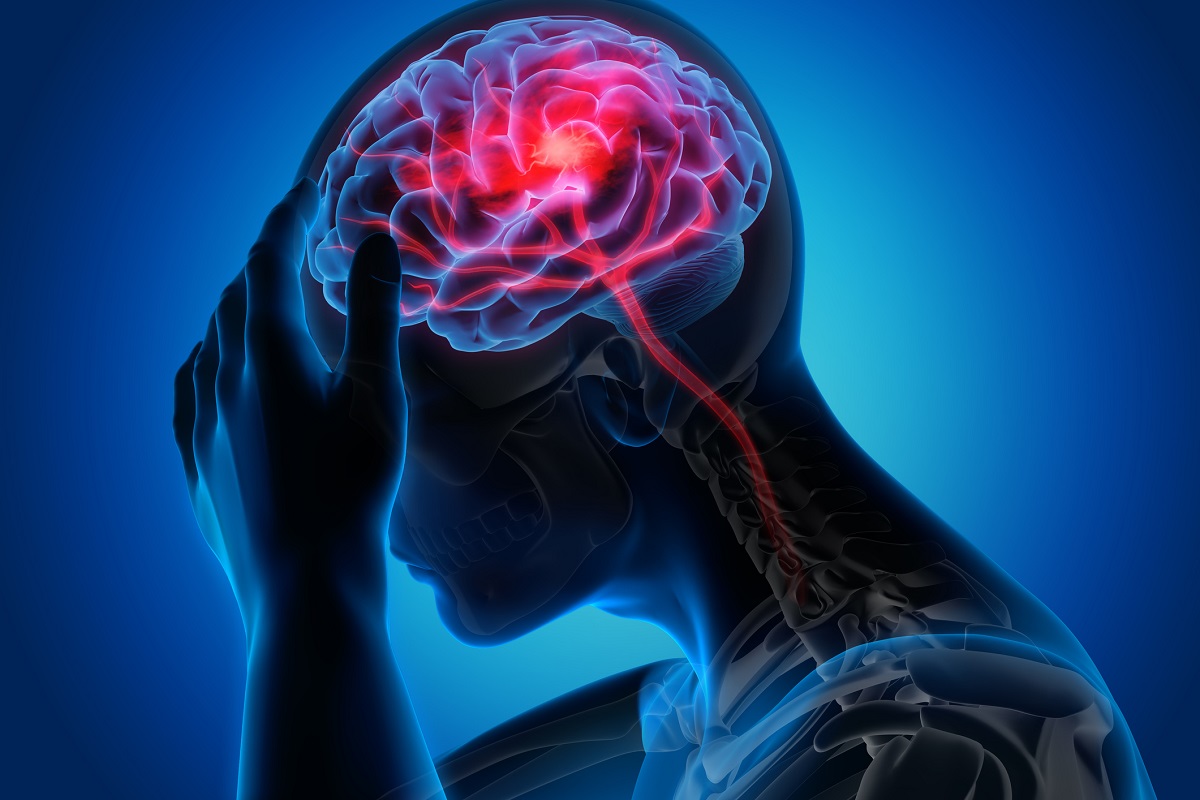
Stroke: When Every Minute Can Change the Brain

Beyond Smoking: How Advanced Diagnostics Are Changing the Future of Lung Cancer Care
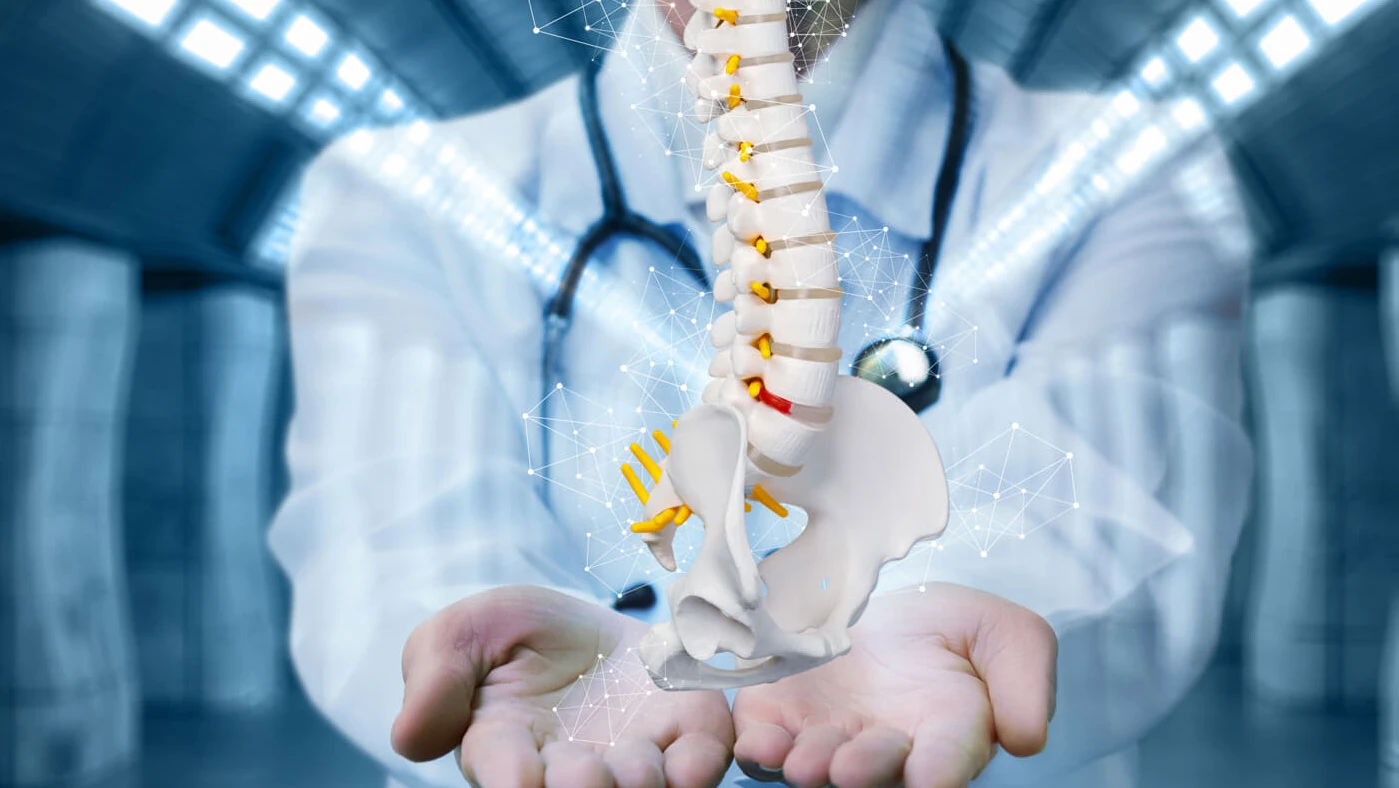
The Evolution of Modern Spine Surgery
Beyond Awareness: The Critical Role of Early Cancer Diagnosis

Robotic Surgery: Precision in the Hands of the Surgeon
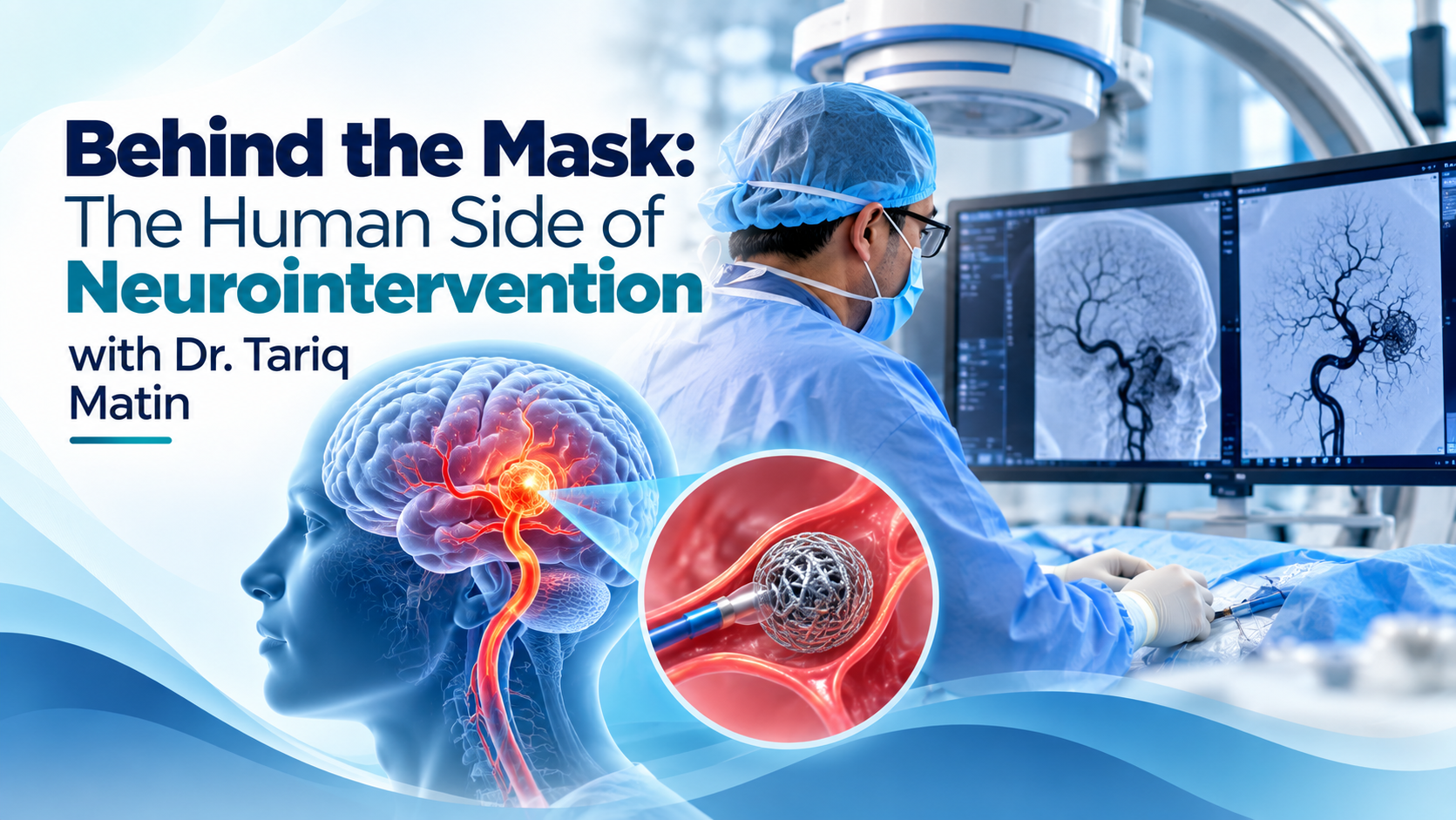
Behind the Mask: The Human Side of Neurointervention with Dr. Tariq Matin

Womanhood Is a Journey — Health Should Be Part of Every Stage

India's Metabolic Wake-Up Call
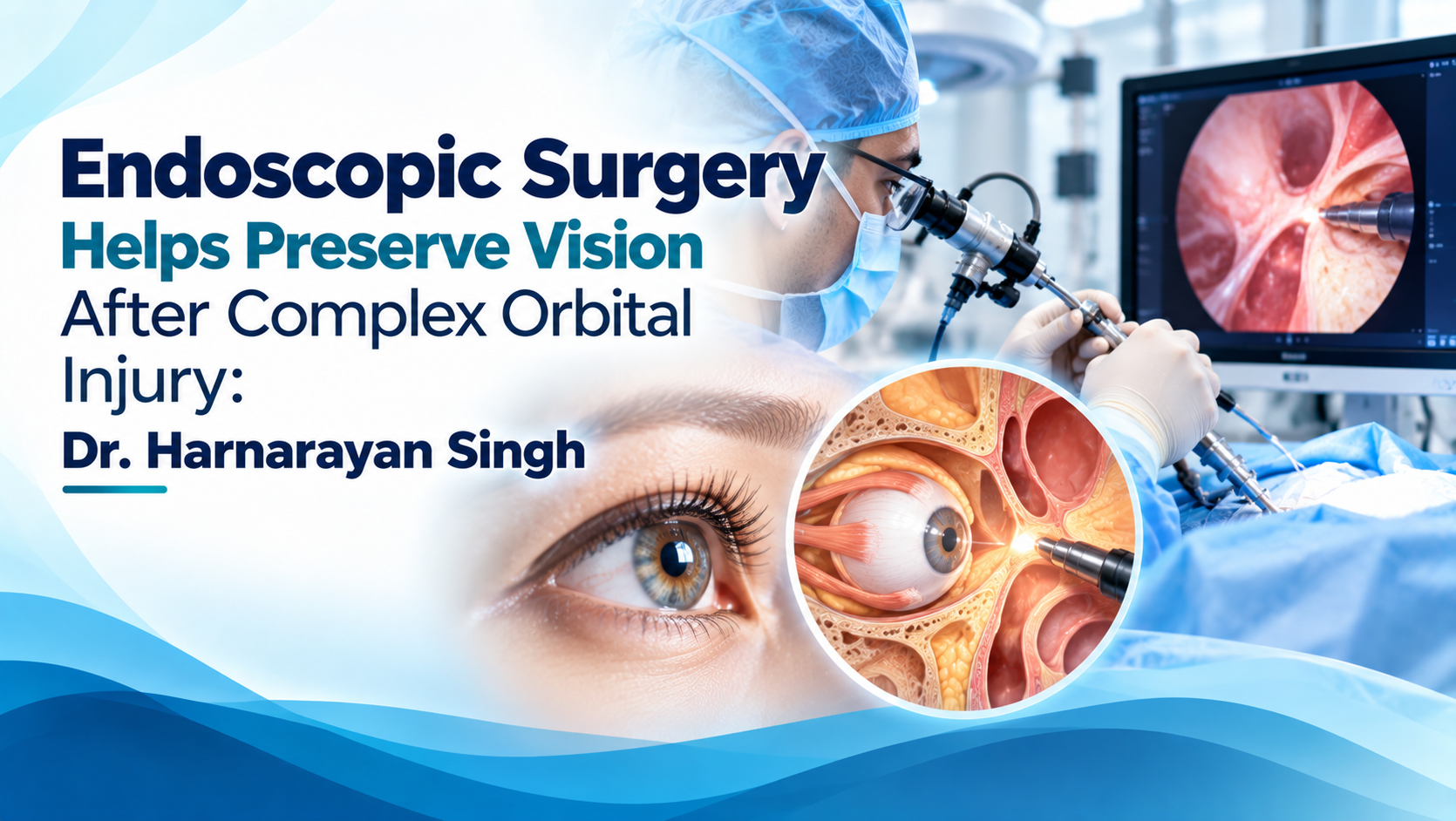
Endoscopic Surgery Helps Preserve Vision After Complex Orbital Injury: Dr. Harnarayan Singh
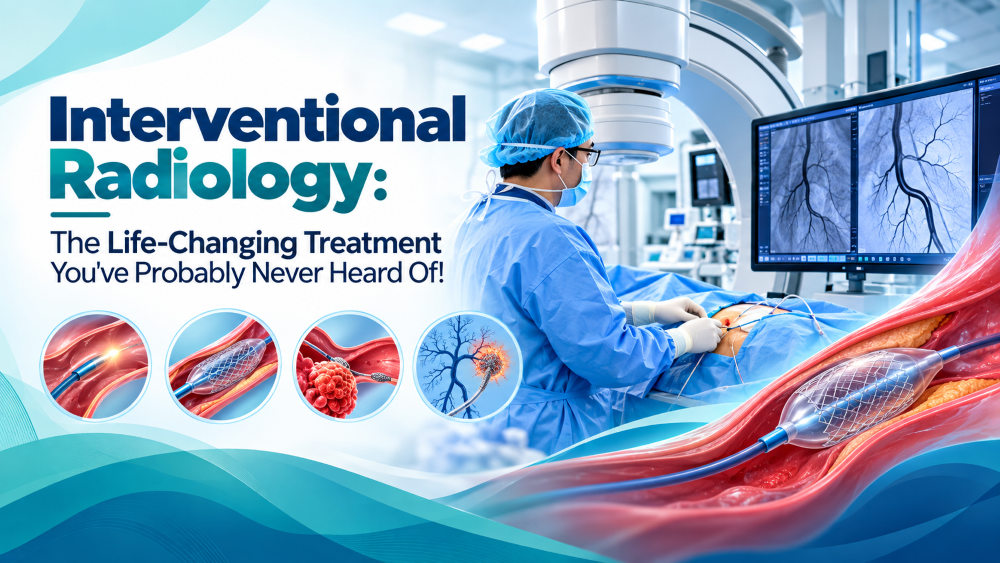
Interventional Radiology: The Life-Changing Treatment You've Probably Never Heard Of!
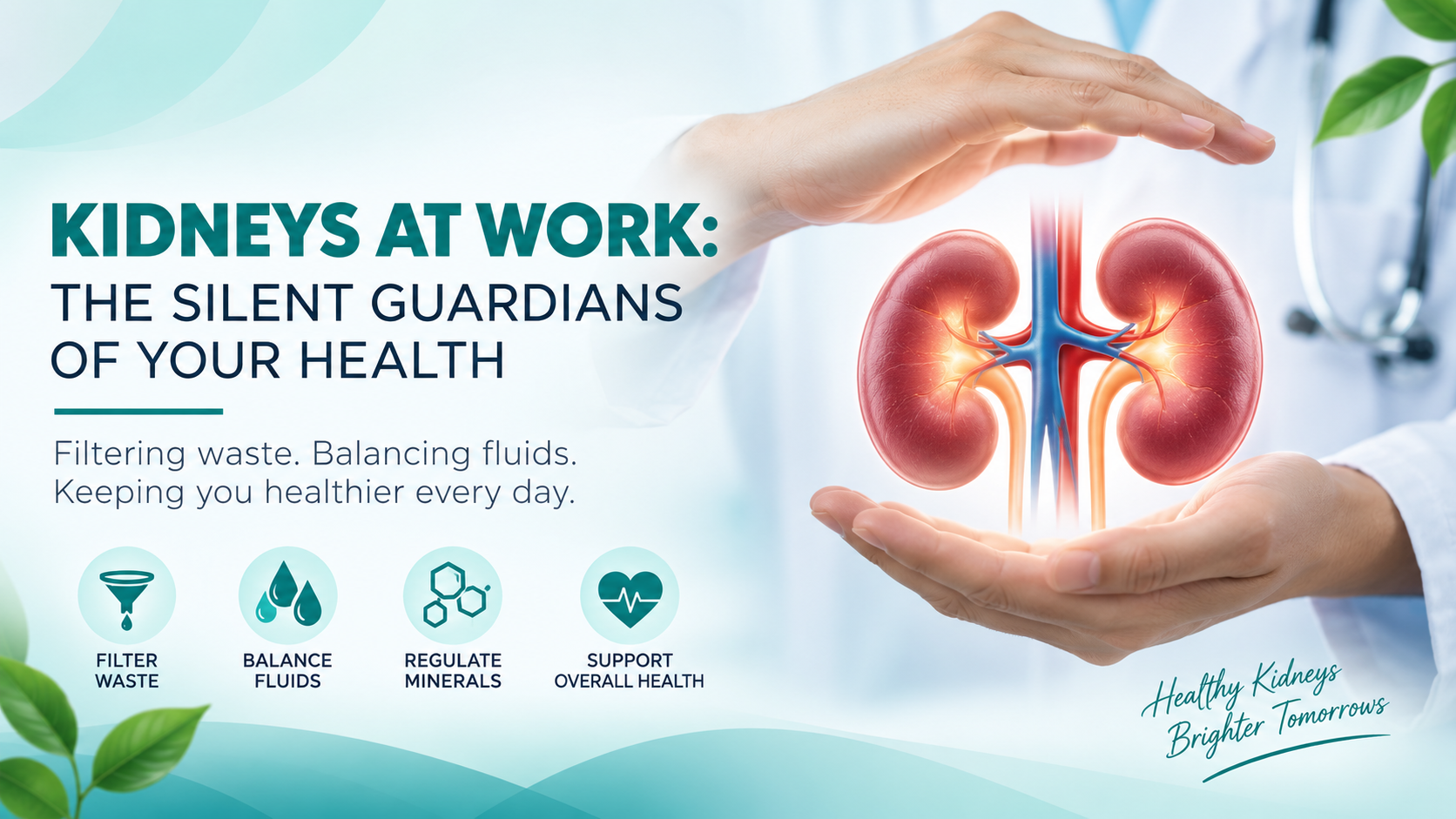
Kidneys at Work: The Silent Guardians of Your Health

Your Heart May Be Talking. Are You Listening?

Why Are More Young Adults Facing Nerve Damage, Numbness & Back Pain?
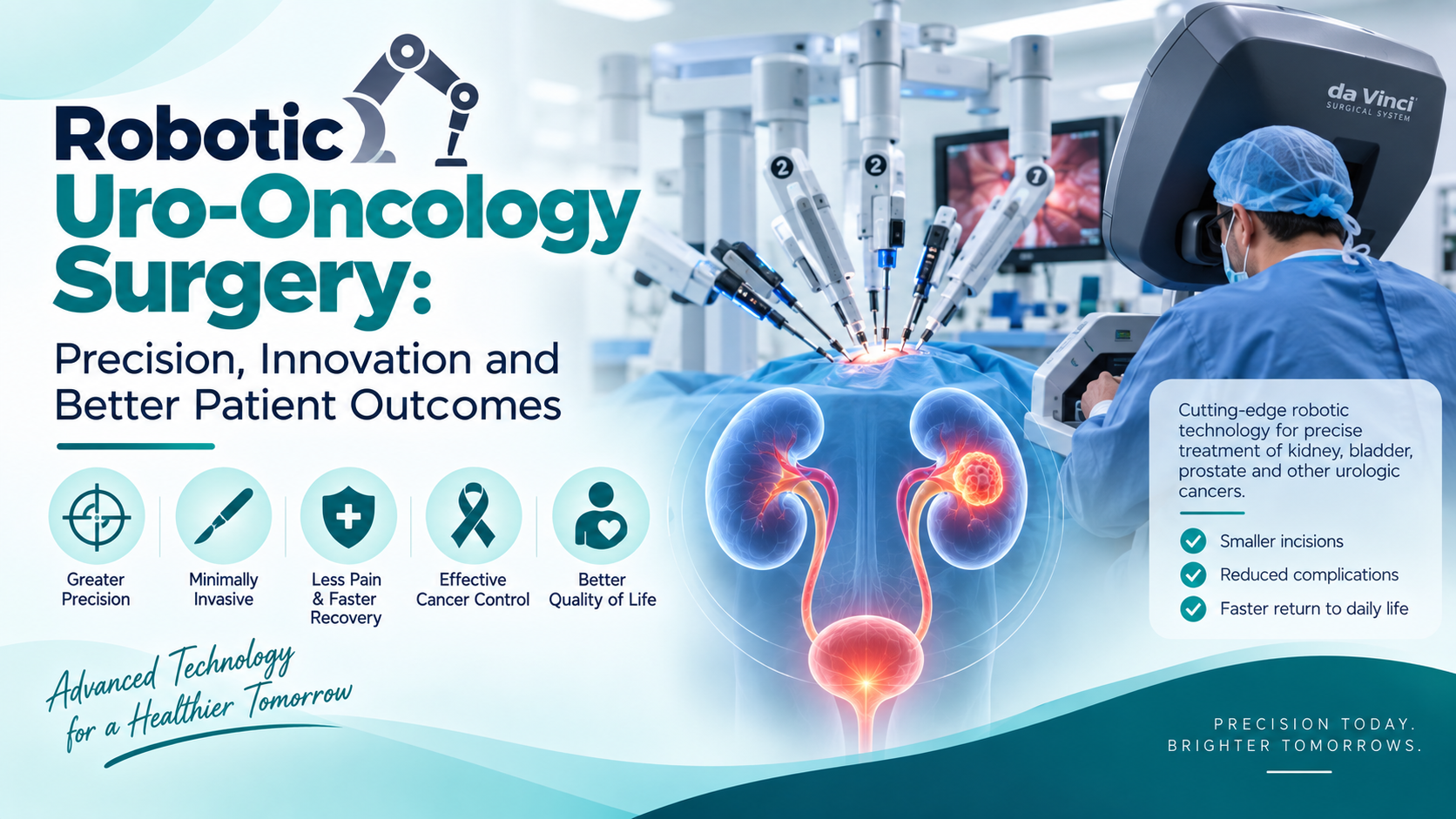
Robotic Uro-Oncology Surgery: Precision, Innovation and Better Patient Outcomes

Vape Culture: The Hidden Trap Among Youth
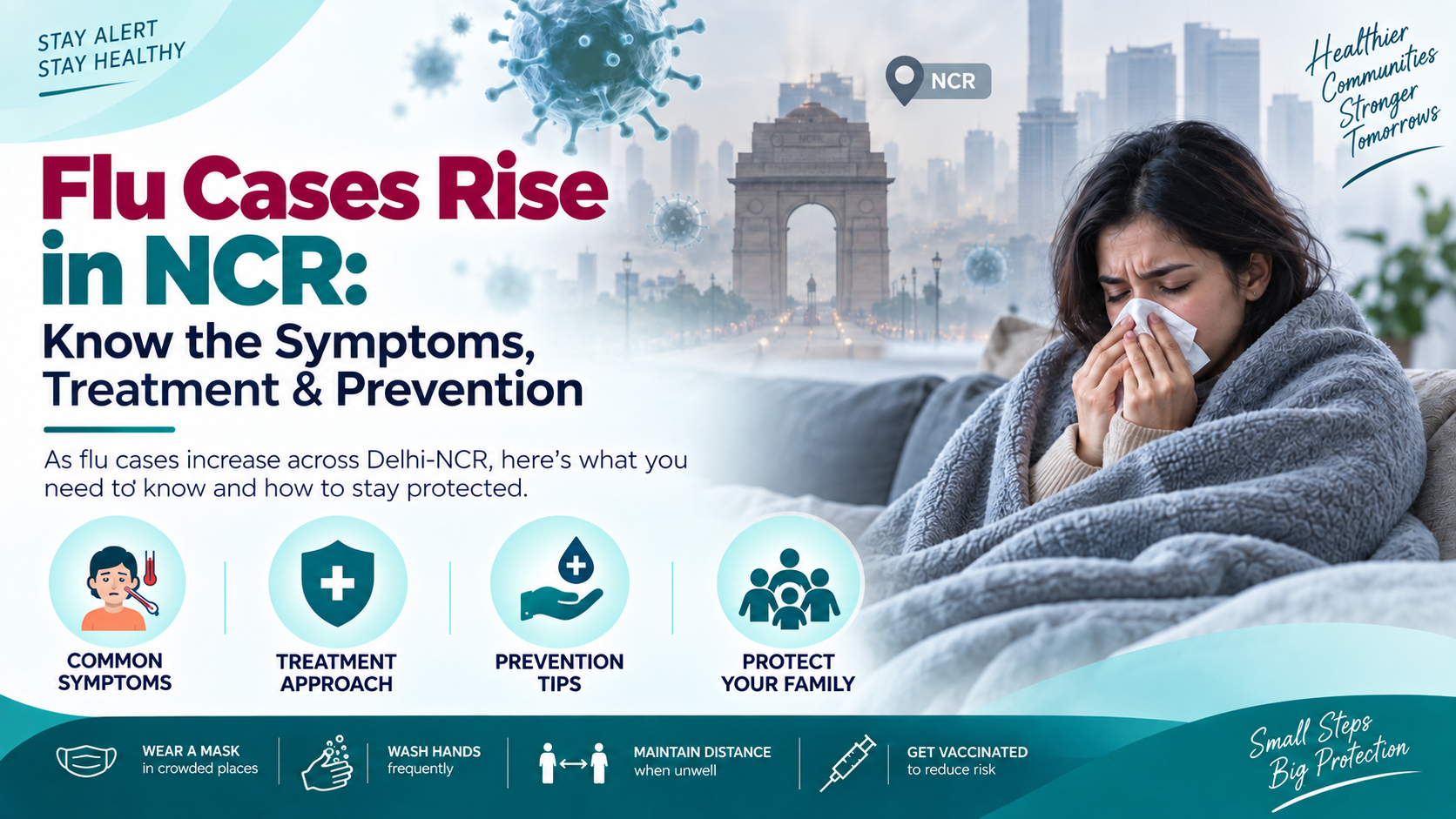
Flu Cases Rise in NCR: Dr. Abhijeet Singh on Symptoms, Treatment & Prevention