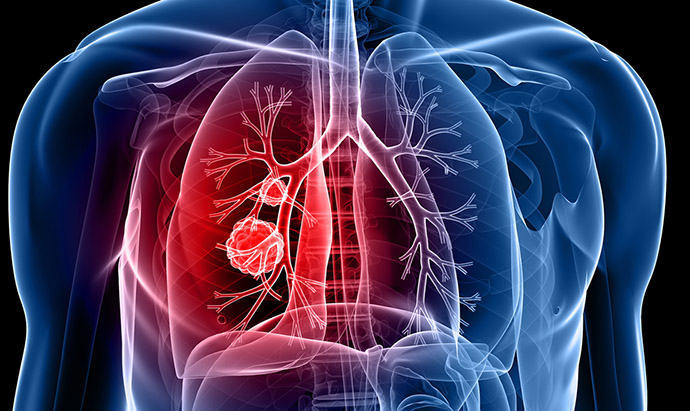
Beyond Smoking: How Advanced Diagnostics Are Changing the Future of Lung Cancer Care
Lung cancer has long been associated with smoking. However, the disease can also affect people who have never smoked. Exposure to second-hand smoke, air pollution, occupational carcinogens and certain household pollutants may contribute to risk. Genetic factors can also influence who develops the disease.
Dr L. M. Darlong highlighted an important concern: lung cancer is not exclusively a smoker’s disease. This message remains relevant today, particularly as advances in diagnosis offer new opportunities to identify cancer, understand its biology and guide treatment.
Recognizing the Warning Signs
Lung cancer may not cause noticeable symptoms during its early stages. When symptoms develop, they can include a persistent cough, coughing up blood, breathlessness, chest discomfort, unexplained weight loss or recurrent respiratory infections.
These symptoms do not necessarily indicate cancer, but persistent or unexplained changes should not be ignored. In India, distinguishing lung cancer from tuberculosis and other respiratory diseases is especially important. When symptoms continue despite appropriate treatment, doctors may recommend further investigation.
Advanced Imaging: Looking Deeper into the Lungs
Modern imaging helps doctors identify suspicious lung lesions and determine whether additional tests are necessary.
- Computed Tomography (CT): Provides detailed images of lung tissue and can identify nodules or masses that may not be apparent on a routine chest X-ray.
- Low-Dose CT (LDCT): Uses less radiation than standard diagnostic chest CT and is an established screening method for eligible people at high risk of lung cancer. It is not a universal screening recommendation for everyone.
- PET-CT: Combines anatomical and metabolic imaging to help assess suspicious lesions and evaluate possible cancer spread.
Imaging can raise suspicion, but it cannot always confirm cancer. Further investigations may be required to establish the diagnosis.
Bronchoscopy and CT-guided Biopsy: Confirming the Diagnosis
A definitive diagnosis generally requires examining cells or tissue. Bronchoscopy allows doctors to inspect the airways and collect samples from suspicious areas.
Endobronchial ultrasound (EBUS) helps doctors sample lymph nodes inside the chest, often without open surgery. For selected lesions located towards the outer lung, image-guided needle biopsy may be more appropriate.
The samples are examined to determine whether cancer is present and identify its type. This information is essential because different lung cancers can respond differently to treatment.
Those areas that are not accessible by bronchoscopy can be tested by CT-guided needle biopsy
The key message: Early suspicion, appropriate imaging and timely tissue diagnosis can help patients reach the right treatment pathway sooner.
PAGE 2
FROM PRECISION DIAGNOSIS TO PERSONALIZED TREATMENT
New Technologies Are Helping Doctors Make More Informed Decisions
Diagnosing lung cancer is no longer just about identifying a tumour. Doctors increasingly need to understand its molecular characteristics, determine its stage and select a treatment suited to the individual patient.
Liquid Biopsy: Insights from a Blood Sample
One important development is liquid biopsy, which analyses tumour-derived genetic material circulating in the blood. It can identify certain genetic alterations that may help doctors select targeted therapies.
Liquid biopsy is particularly useful when obtaining sufficient tumour tissue is difficult or when additional molecular information is needed. However, a negative result does not always exclude a mutation. Tissue-based testing may still be necessary.
Molecular Testing and Precision Medicine
Lung cancer is not a single disease. Non-small cell lung cancer (NSCLC), the most common category, can contain specific genetic alterations that influence treatment choices.
Molecular testing may identify alterations involving EGFR, ALK, ROS1, BRAF, MET, RET and NTRK, among others. PD-L1 testing may also help determine whether immunotherapy is appropriate.
Depending on the findings, eligible patients may benefit from targeted medicines, immunotherapy, chemotherapy or combinations of treatments. This approach, known as precision medicine, aims to match treatment to the tumour's characteristics rather than relying on a one-size-fits-all strategy.
Keyhole and Robotic Surgery: Preserving Lung Function
For selected patients with early-stage lung cancer, surgery may offer the possibility of cure. Video-assisted thoracoscopic surgery (VATS) and robotic-assisted thoracic surgery allow surgeons to operate through small incisions using a camera and specialized instruments.
Compared with conventional open surgery, minimally invasive approaches may reduce surgical trauma and support recovery in appropriately selected patients.
Depending on the tumour's size, location and other clinical factors, procedures may include lobectomy, segmentectomy or wedge resection. The objective is to achieve effective cancer control while preserving healthy lung tissue whenever medically appropriate.
Not every patient requires surgery. Treatment depends on the cancer stage, tumour biology, lung function and overall health.
The Road Ahead for Lung Cancer Care in India
India's Ministry of Health and Family Welfare released evidence-based lung cancer treatment and palliation guidelines in February 2026, reinforcing the importance of standardized, patient-centred care.
The next priority is improving awareness, timely referral, access to accurate diagnosis and availability of appropriate treatment. Screening must be based on evidence and individual risk; low-dose CT is recommended for eligible high-risk populations rather than everyone.
A Message Worth Remembering
Lung cancer can affect smokers and non-smokers alike. Persistent symptoms deserve medical attention, and a confirmed diagnosis should be followed by appropriate staging and treatment planning.
Earlier recognition, accurate diagnosis and personalized treatment can make a meaningful difference. When it comes to lung health, do not ignore the warning signs.
Medical disclaimer: This article is for general awareness and does not replace professional medical advice.
Dr. L. M. Darlong
Chief of Thoracic / Lung cancer surgery
Rajiv Gandhi Cancer Institute, New Delhi
The Future of Women's Surgical Care
Stroke: When Every Minute Can Change the Brain

Beyond Smoking: How Advanced Diagnostics Are Changing the Future of Lung Cancer Care
The Evolution of Modern Spine Surgery
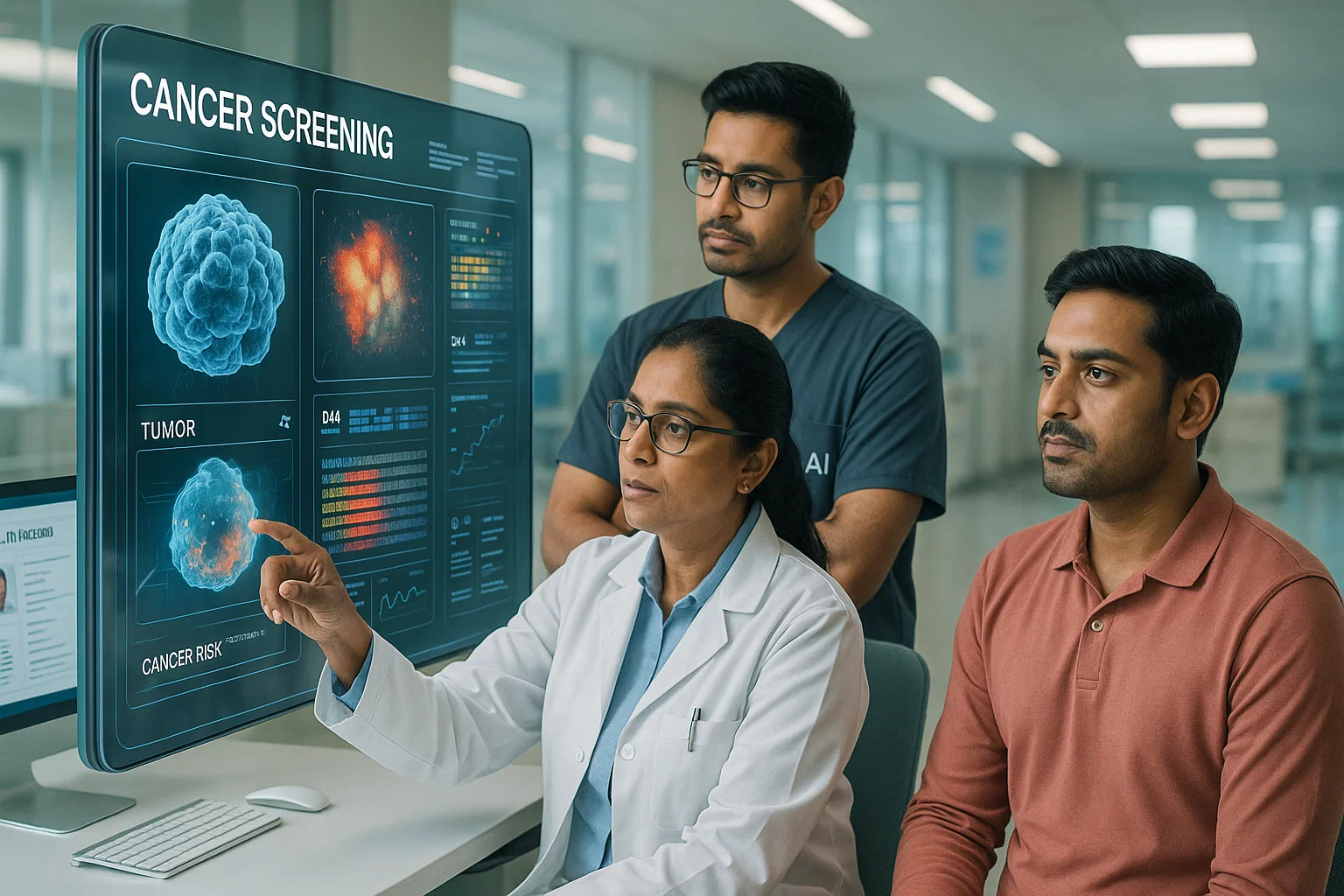
Beyond Awareness: The Critical Role of Early Cancer Diagnosis

Robotic Surgery: Precision in the Hands of the Surgeon
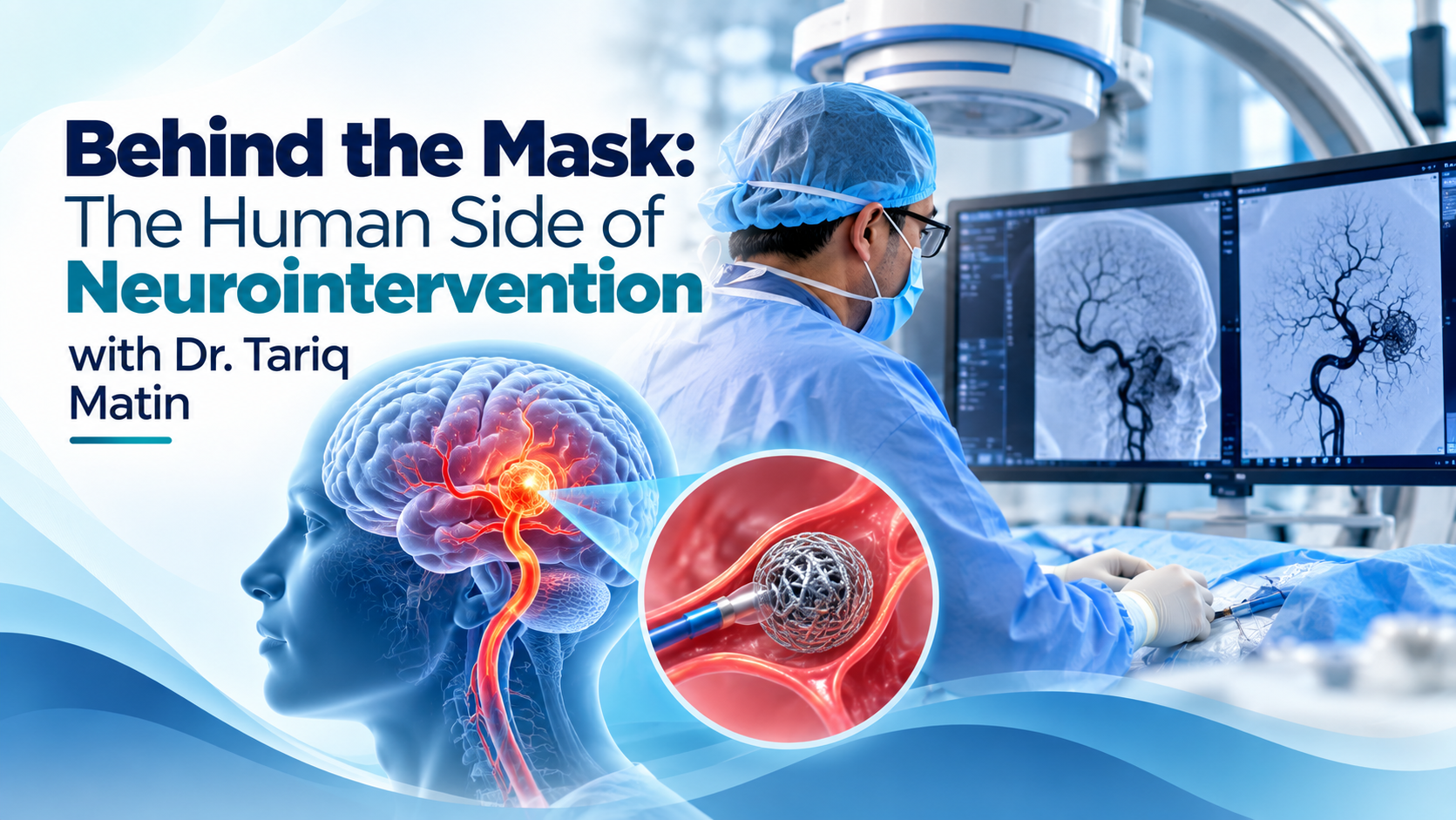
Behind the Mask: The Human Side of Neurointervention with Dr. Tariq Matin

Womanhood Is a Journey — Health Should Be Part of Every Stage

India's Metabolic Wake-Up Call

Endoscopic Surgery Helps Preserve Vision After Complex Orbital Injury: Dr. Harnarayan Singh
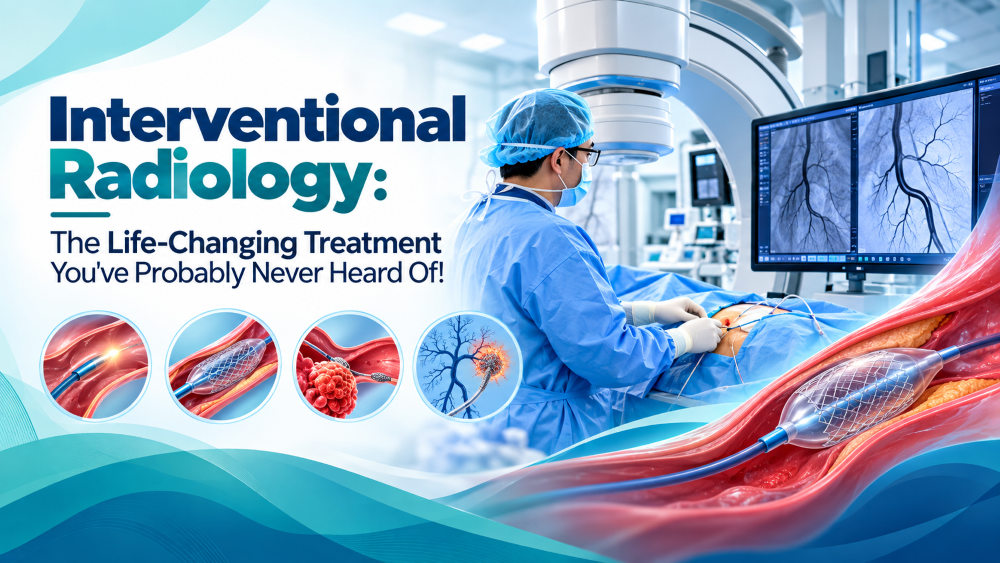
Interventional Radiology: The Life-Changing Treatment You've Probably Never Heard Of!

Kidneys at Work: The Silent Guardians of Your Health

Your Heart May Be Talking. Are You Listening?

Why Are More Young Adults Facing Nerve Damage, Numbness & Back Pain?
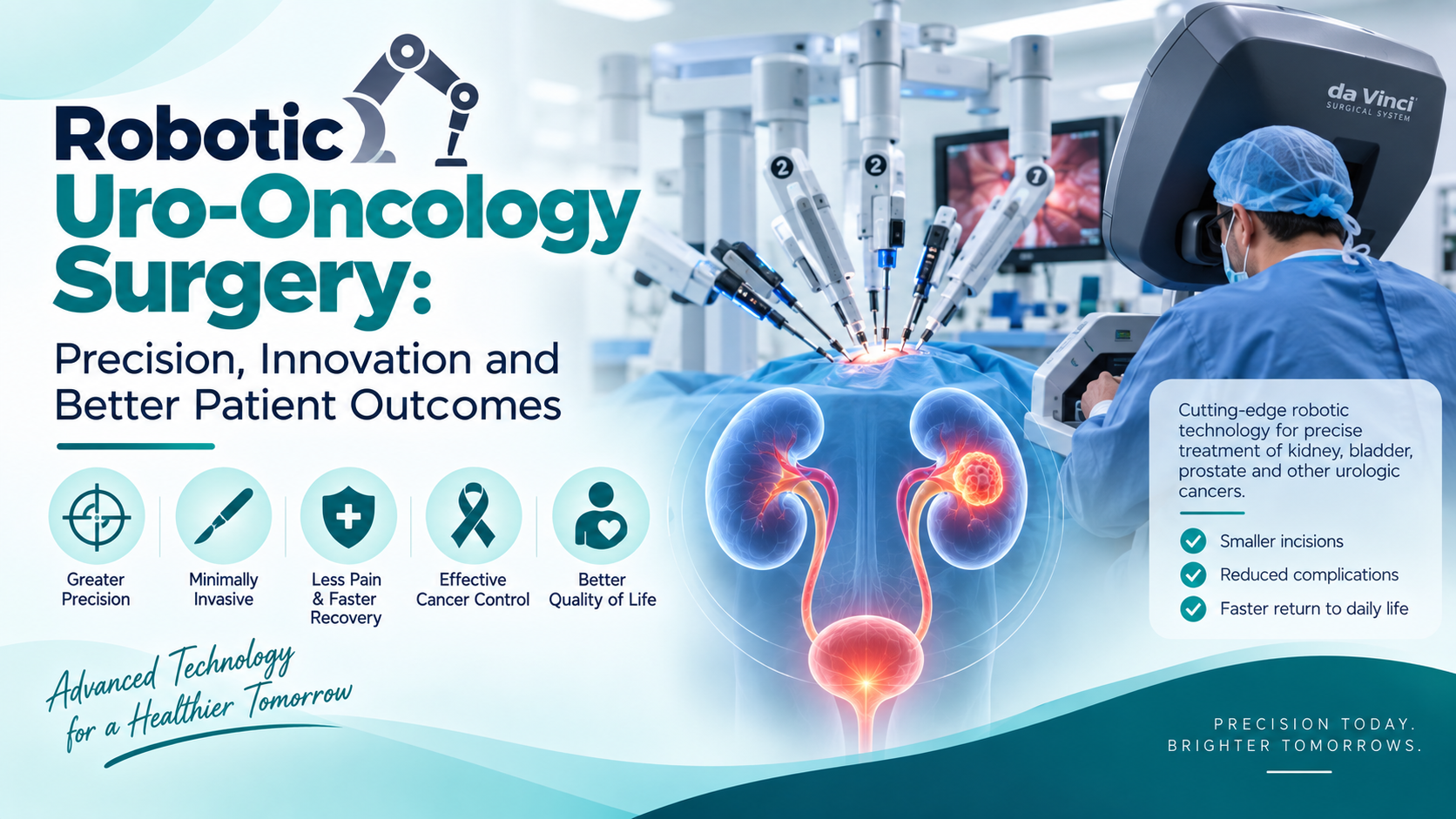
Robotic Uro-Oncology Surgery: Precision, Innovation and Better Patient Outcomes

Vape Culture: The Hidden Trap Among Youth
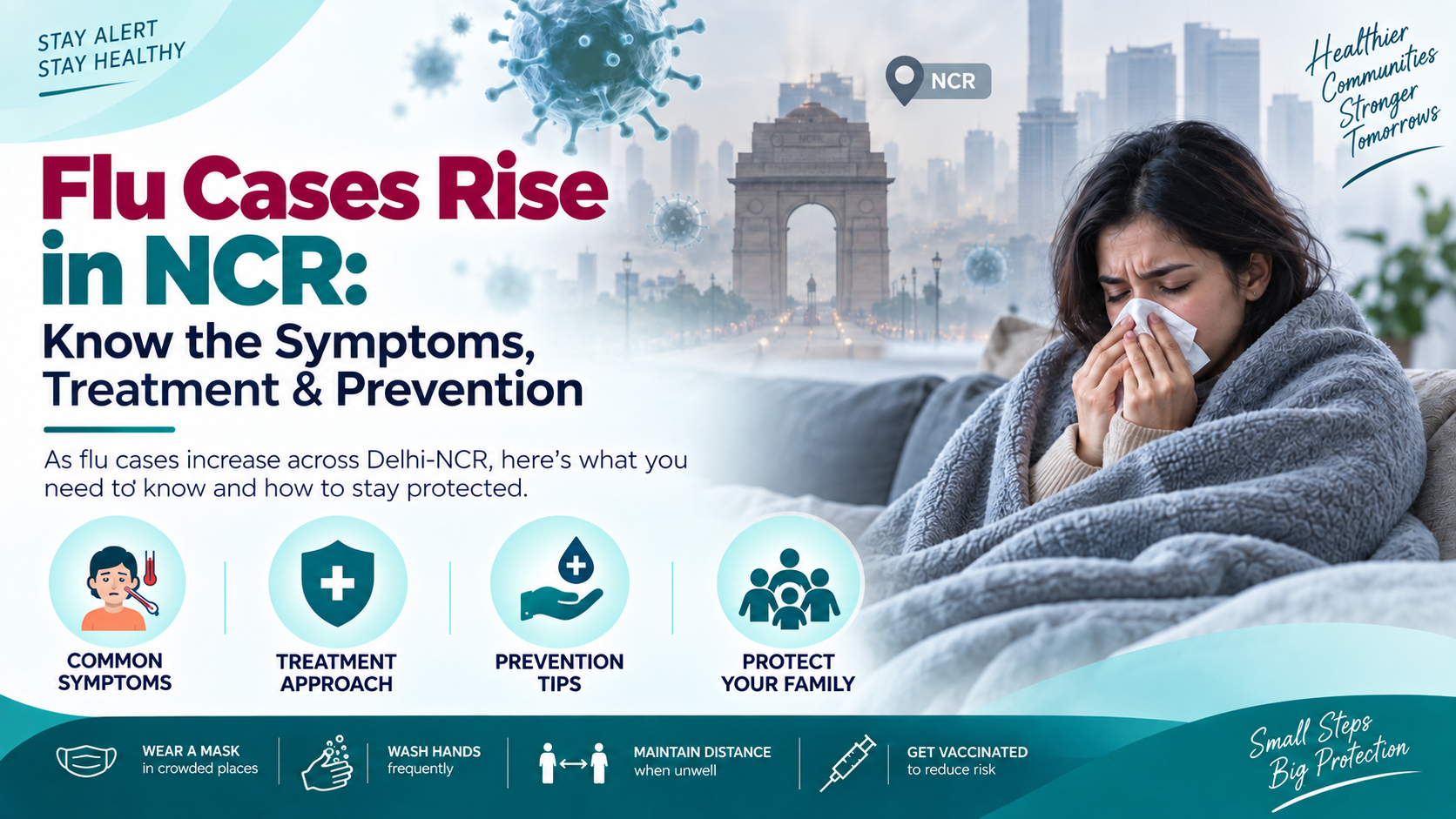
Flu Cases Rise in NCR: Dr. Abhijeet Singh on Symptoms, Treatment & Prevention