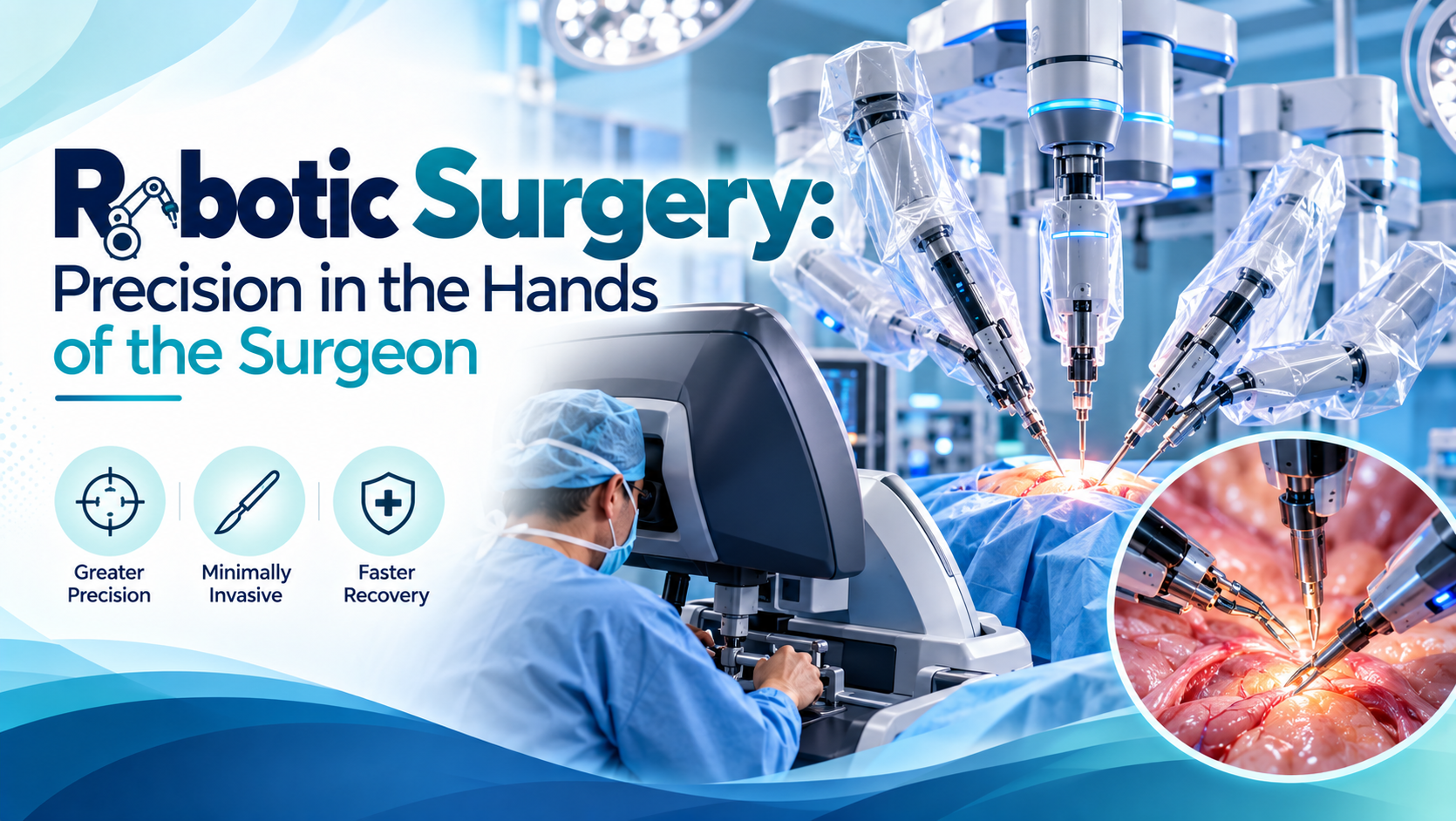
Robotic Surgery: Precision in the Hands of the Surgeon
Robotic-assisted surgery has become an important advancement in modern urological oncology. In procedures such as robotic partial nephrectomy, specialized instruments are introduced through small incisions and controlled by the surgeon from a console.
The robotic platform can provide enhanced visualization, precise instrument movement and greater control within the operating field. These capabilities can be particularly useful when surgeons are working around delicate anatomical structures.
For appropriately selected patients, robotic kidney cancer surgery may offer potential benefits such as smaller incisions, reduced blood loss, less postoperative discomfort and faster recovery compared with traditional open approaches.
However, robotic technology does not operate independently. The surgeon remains at the centre of the procedure. Technology serves as an advanced tool that supports the surgeon's expertise, decision-making and technical precision.
The combination of human judgment and technological capability is what makes robotic surgery an important development in contemporary healthcare.
Why Surgical Expertise Still Matters
While technology continues to advance, successful cancer treatment depends on much more than the availability of a robotic surgical system.
Every kidney tumour is different. Its size, position, complexity and relationship with surrounding structures can influence the treatment strategy. Careful preoperative imaging, patient evaluation and surgical planning remain essential.
The surgeon must make critical decisions throughout the procedure—how to approach the tumour, how much healthy kidney tissue can be preserved, and how to achieve effective cancer removal while minimizing potential complications.
This highlights an important principle of modern medicine: advanced technology can enhance expertise, but it cannot replace expertise.
For Dr. Dushyant Nadar and specialists working in modern urological oncology, the objective is therefore not simply to use advanced technology, but to apply it appropriately for the individual patient.
Noida and the Evolution of Advanced Healthcare
The healthcare ecosystem in Noida and the wider Delhi NCR region has undergone significant development. Patients from Noida, Greater Noida, Ghaziabad, East Delhi, Faridabad and surrounding areas are increasingly seeking access to advanced diagnostics, specialist consultations and minimally invasive surgical options closer to home.
This growing availability of specialized care represents an important shift in healthcare delivery. Patients dealing with cancer may require a coordinated team involving urologists, oncologists, radiologists, pathologists, anesthesiologists and other specialists.
Modern cancer care is therefore becoming increasingly multidisciplinary, technology-enabled and patient-centred.
Looking Towards the Future
The future of kidney cancer treatment is likely to involve even greater personalization. Improvements in imaging, artificial intelligence, surgical robotics, molecular diagnostics and data-driven clinical decision-making are expected to continue influencing how cancer is diagnosed and treated.
The goal, however, remains remarkably simple: treat the cancer effectively while protecting the patient's long-term health and quality of life.
For kidney cancer patients, this means moving beyond the traditional idea of surgery as simply removing a tumour. Modern treatment increasingly focuses on precision, organ preservation, recovery and long-term outcomes.
As healthcare continues to evolve, the integration of advanced technology, experienced surgical expertise, early diagnosis and personalized treatment planning is creating new possibilities for patients across Noida and the surrounding NCR region.
Technology Provides the Tools, Expertise Provides the Direction
The journey of kidney cancer care is moving toward a future where innovation is not measured merely by how advanced a machine is, but by how effectively that innovation can improve a patient's treatment experience and outcome.
In the new era of healthcare, technology provides the tools, expertise provides the direction, and the patient remains at the centre of every decision.
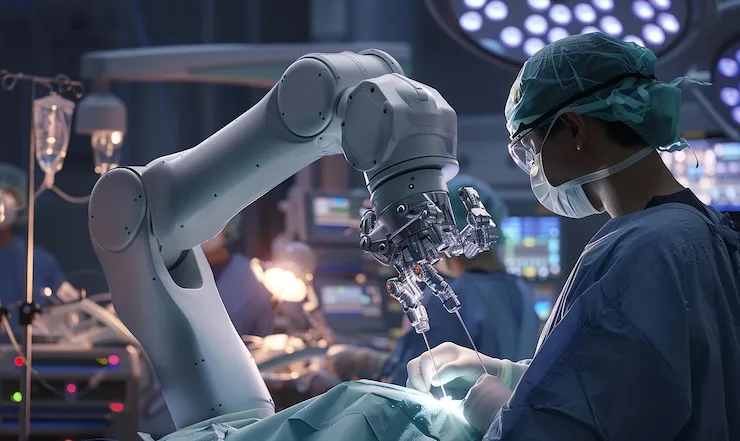
The Future of Women's Surgical Care
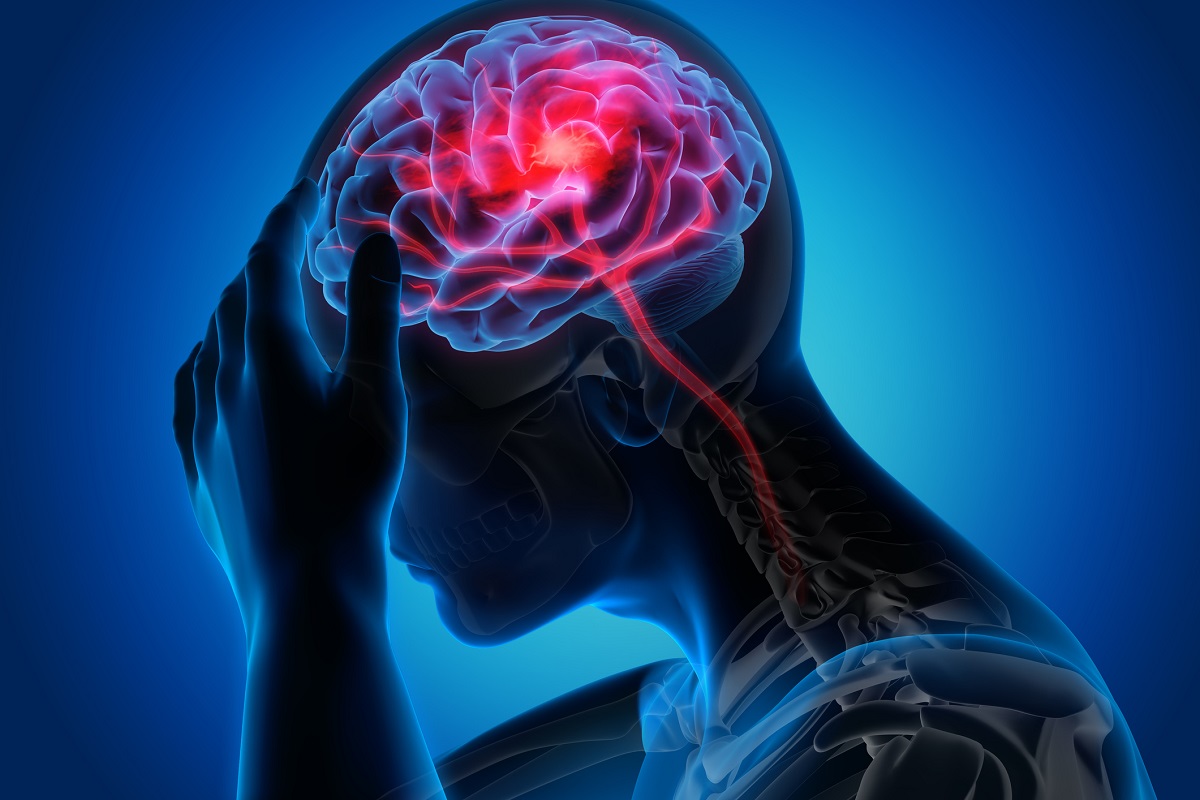
Stroke: When Every Minute Can Change the Brain

Beyond Smoking: How Advanced Diagnostics Are Changing the Future of Lung Cancer Care
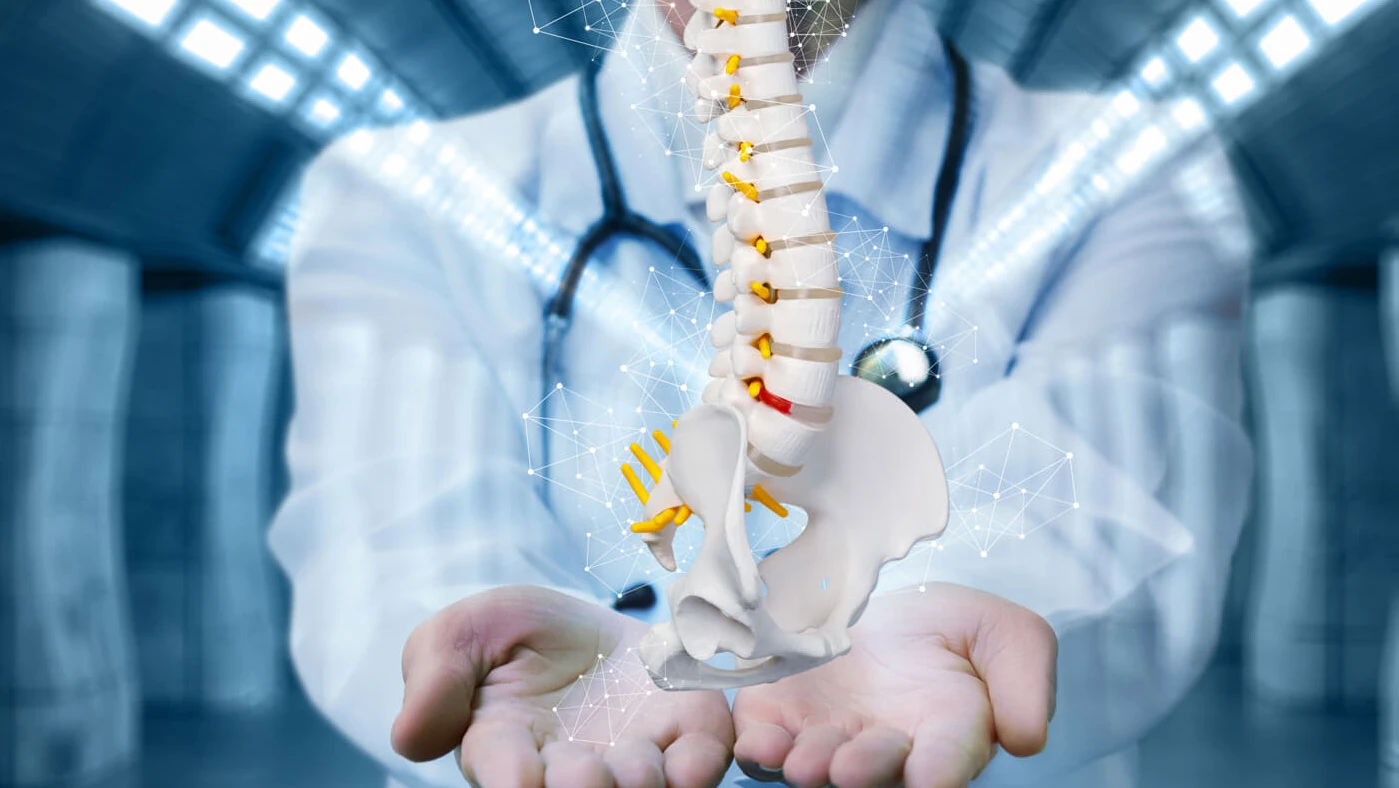
The Evolution of Modern Spine Surgery
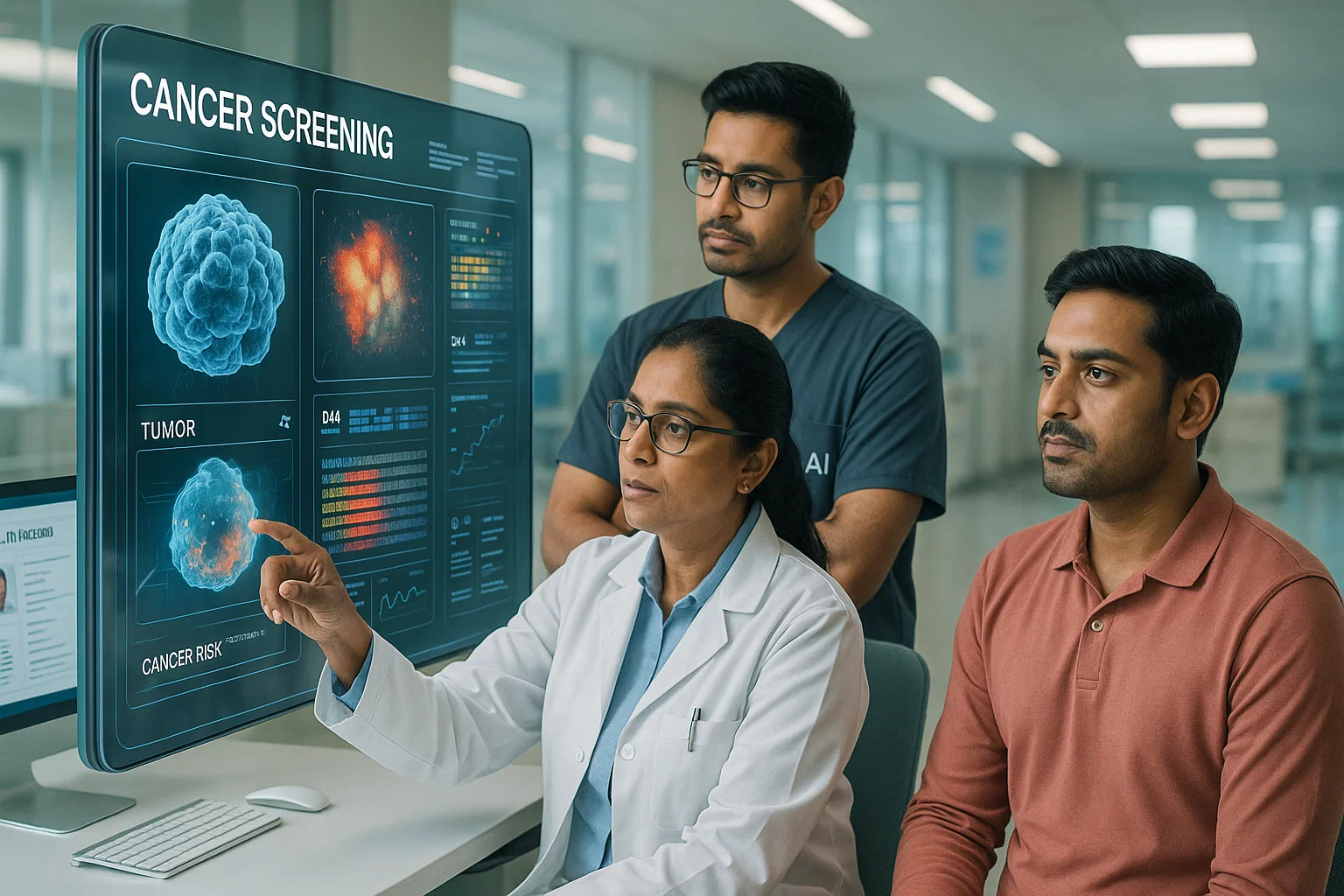
Beyond Awareness: The Critical Role of Early Cancer Diagnosis
Robotic Surgery: Precision in the Hands of the Surgeon
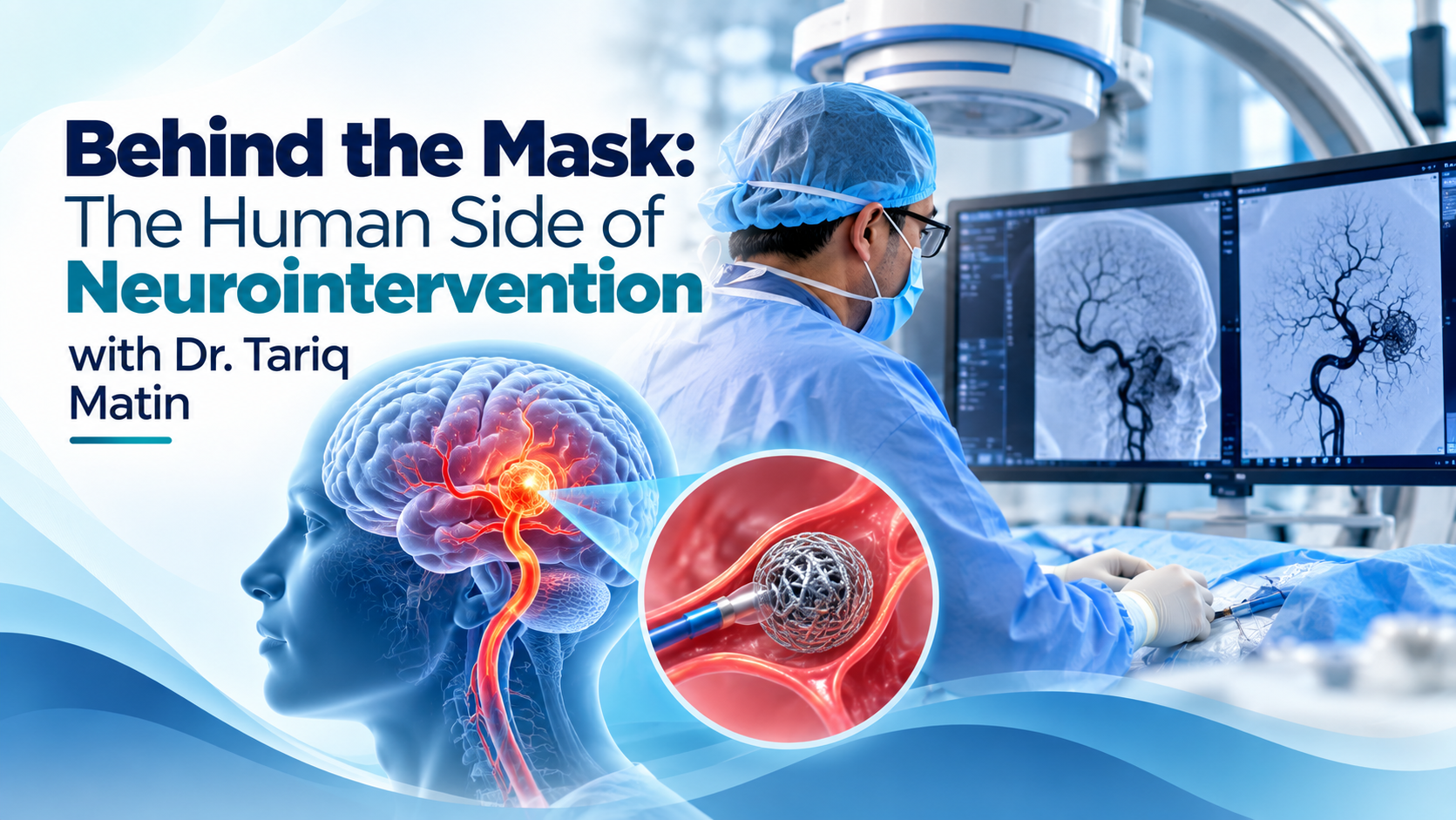
Behind the Mask: The Human Side of Neurointervention with Dr. Tariq Matin

Womanhood Is a Journey — Health Should Be Part of Every Stage

India's Metabolic Wake-Up Call
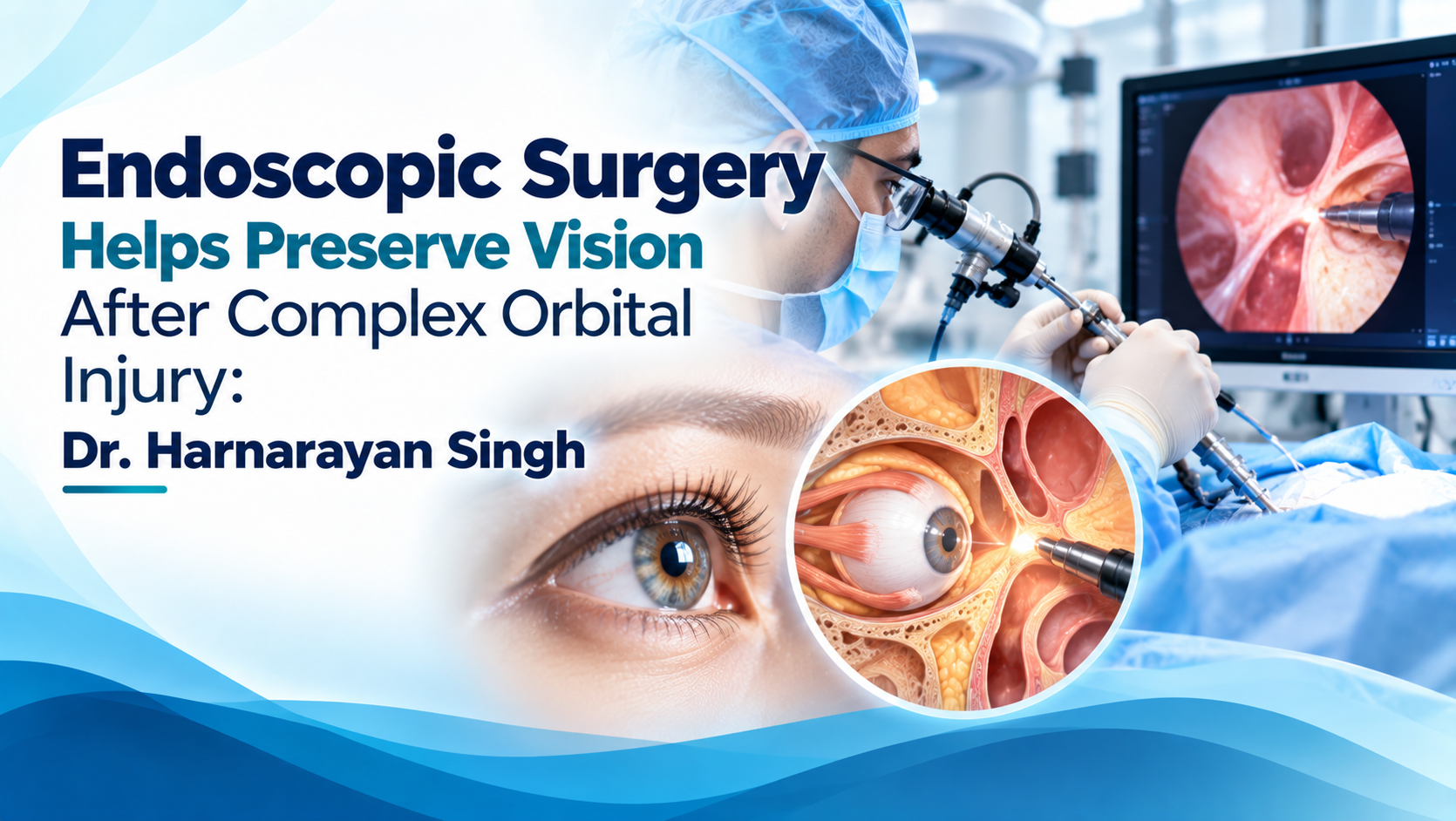
Endoscopic Surgery Helps Preserve Vision After Complex Orbital Injury: Dr. Harnarayan Singh
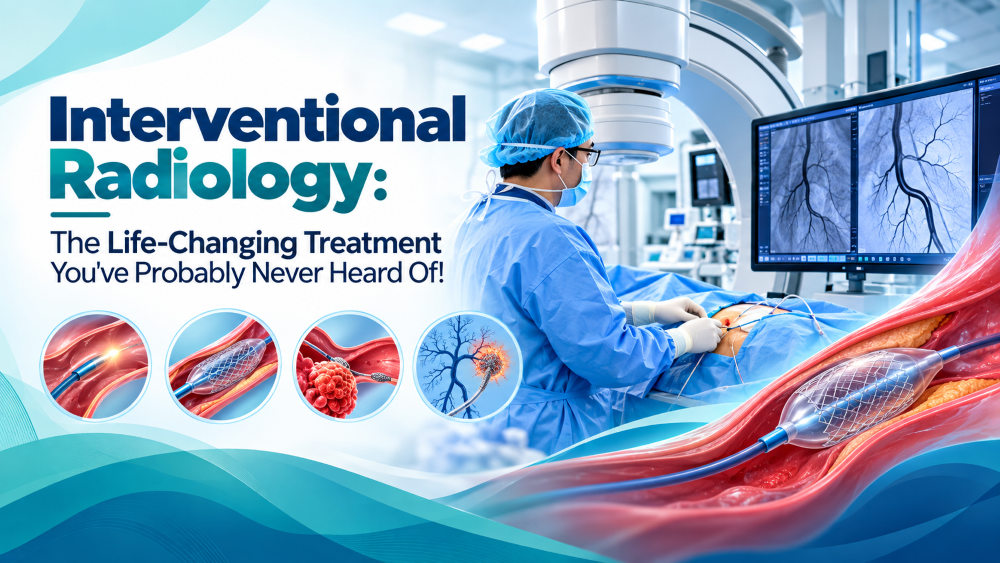
Interventional Radiology: The Life-Changing Treatment You've Probably Never Heard Of!
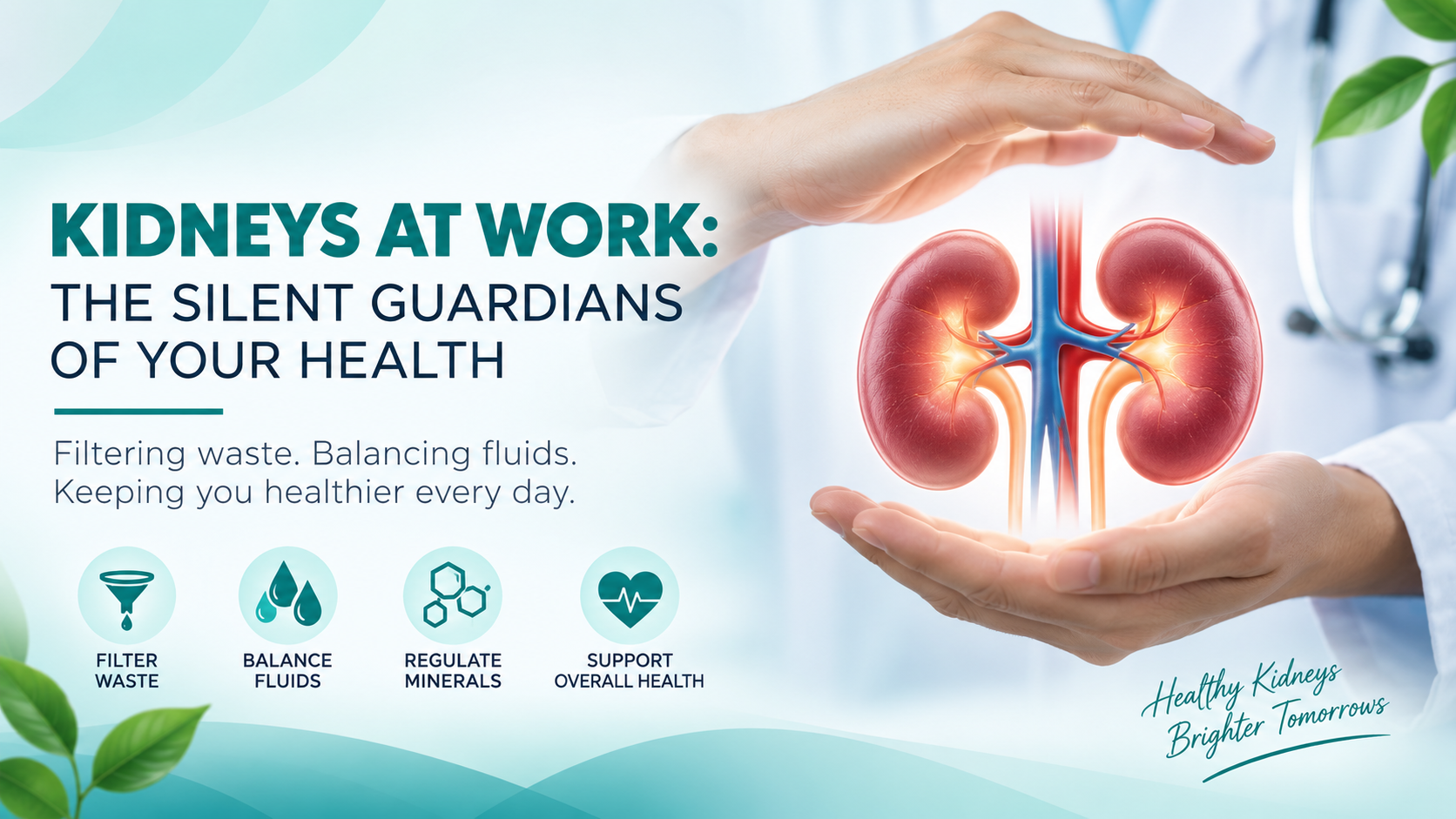
Kidneys at Work: The Silent Guardians of Your Health

Your Heart May Be Talking. Are You Listening?

Why Are More Young Adults Facing Nerve Damage, Numbness & Back Pain?
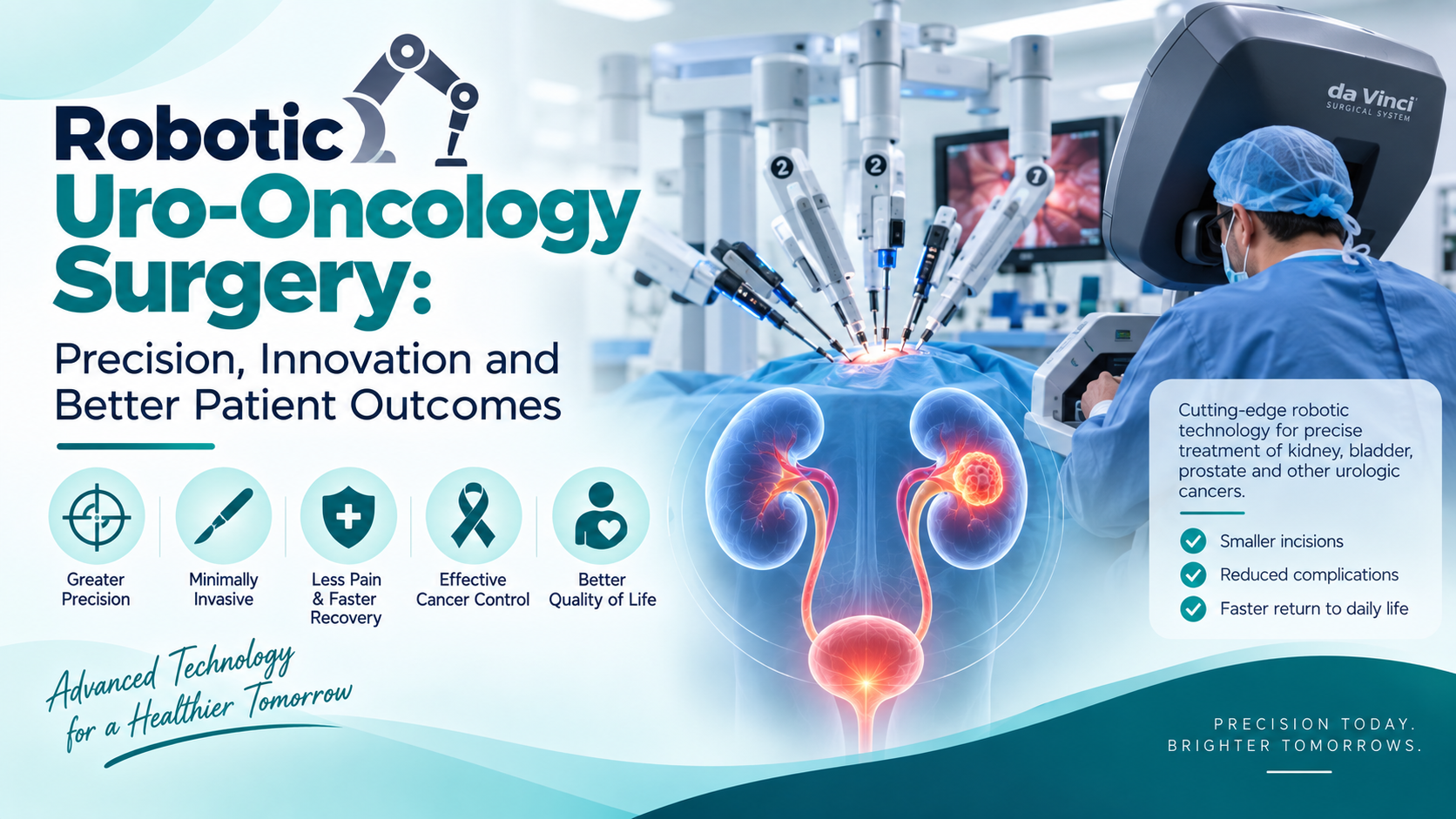
Robotic Uro-Oncology Surgery: Precision, Innovation and Better Patient Outcomes

Vape Culture: The Hidden Trap Among Youth

Flu Cases Rise in NCR: Dr. Abhijeet Singh on Symptoms, Treatment & Prevention