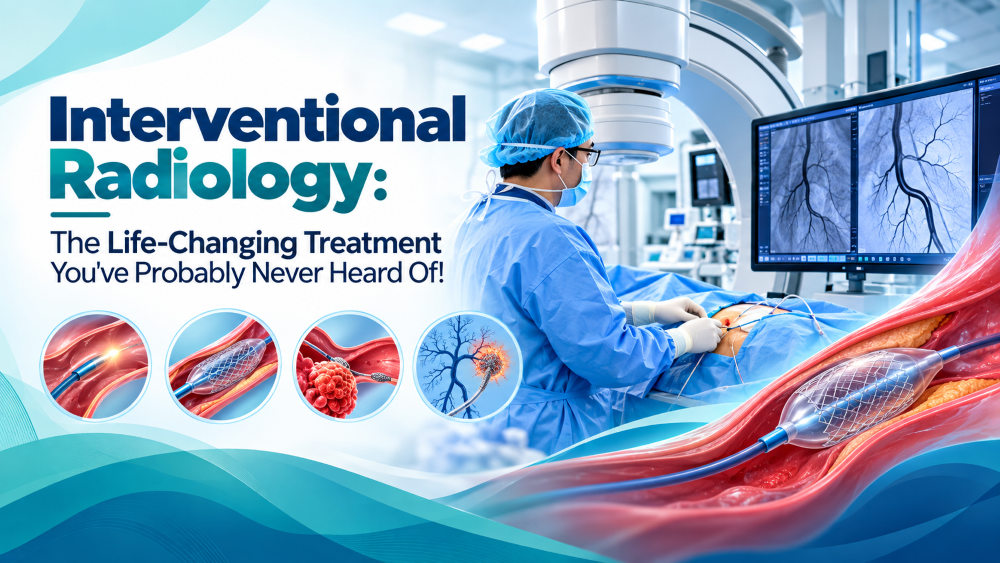
Interventional Radiology: The Life-Changing Treatment You've Probably Never Heard Of!
What if some complex medical conditions could be treated without a major operation? What if a tiny catheter, guided by advanced imaging, could reach a problem deep inside the body and treat it with remarkable precision?
This is the world of Interventional Radiology (IR)—a rapidly evolving field that is changing the way many diseases are diagnosed and treated.
Yet, despite its growing role in modern healthcare, Interventional Radiology remains one of the medical specialties that many people know very little about.
Beyond X-Rays and Scans
When most people hear the word radiology, they think of X-rays, CT scans or MRI reports. But modern radiology has moved far beyond simply producing and interpreting images.
Interventional Radiology turns medical imaging into a treatment tool.
Using technologies such as ultrasound, CT, fluoroscopy and angiography, interventional radiologists can guide needles, wires and tiny catheters through the body to reach a specific area and perform a procedure—often through a very small opening in the skin.
In simple terms, the image becomes the roadmap, and the intervention becomes the treatment.
As Dr. C.P.S. Chauhan explains, radiology is a broad specialty, but Interventional Radiology represents a very different and highly advanced dimension of the field.
When Surgery Isn't the Only Answer
One of the most important questions in medicine is not simply "Can this condition be treated?"
It is:
"What is the best treatment for this particular patient?"
There are patients for whom conventional surgery may not be the ideal option. In selected cases, Interventional Radiology can provide a minimally invasive alternative or work alongside surgery as part of a broader treatment plan.
Dr. Chauhan points out that identifying which patient is likely to benefit from intervention and which patient should undergo surgery is an important part of modern clinical decision-making.
The aim is not to replace surgery.
It is to choose the right treatment for the right patient.
Precision Through a Tiny Access Point
The most fascinating aspect of Interventional Radiology is its ability to treat problems deep inside the body without necessarily requiring a large surgical incision.
"A small puncture can provide access for a catheter or specialized instrument. Guided by real-time imaging, the interventional radiologist can navigate toward the target area and deliver treatment precisely where it is needed."
Dr. C.P.S. Chauhan
Senior Director – Radiology & Vascular Interventional Radiology
Max Superspeciality Hospital, Sector 128, Noida
25+ Years of Experience
About the Expert
Dr. C.P.S. Chauhan is Senior Director – Radiology & Vascular Interventional Radiology at Max Superspeciality Hospital, Sector 128, Noida, with over 25 years of experience in the field.
The Future of Women's Surgical Care
Stroke: When Every Minute Can Change the Brain

Beyond Smoking: How Advanced Diagnostics Are Changing the Future of Lung Cancer Care
The Evolution of Modern Spine Surgery
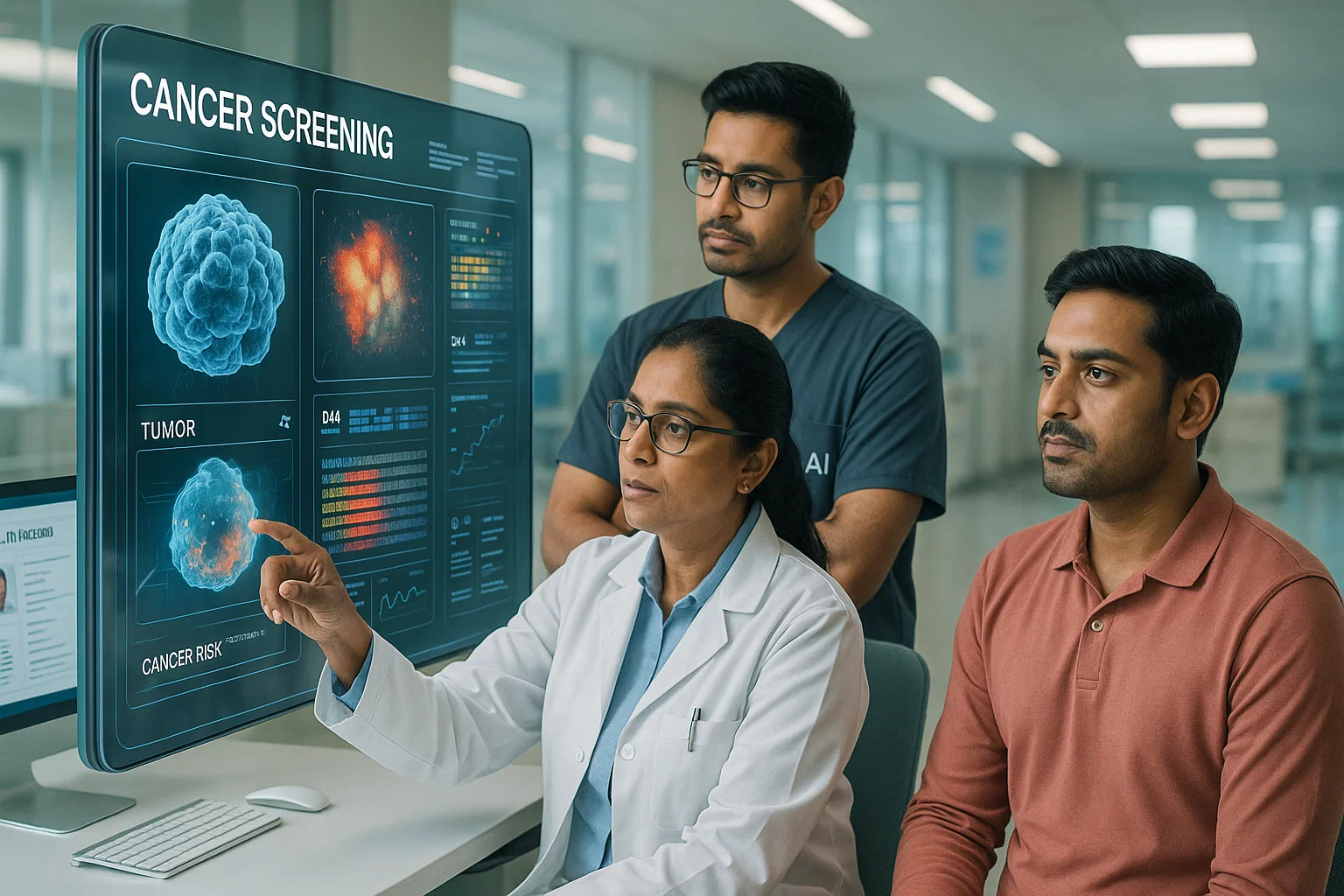
Beyond Awareness: The Critical Role of Early Cancer Diagnosis
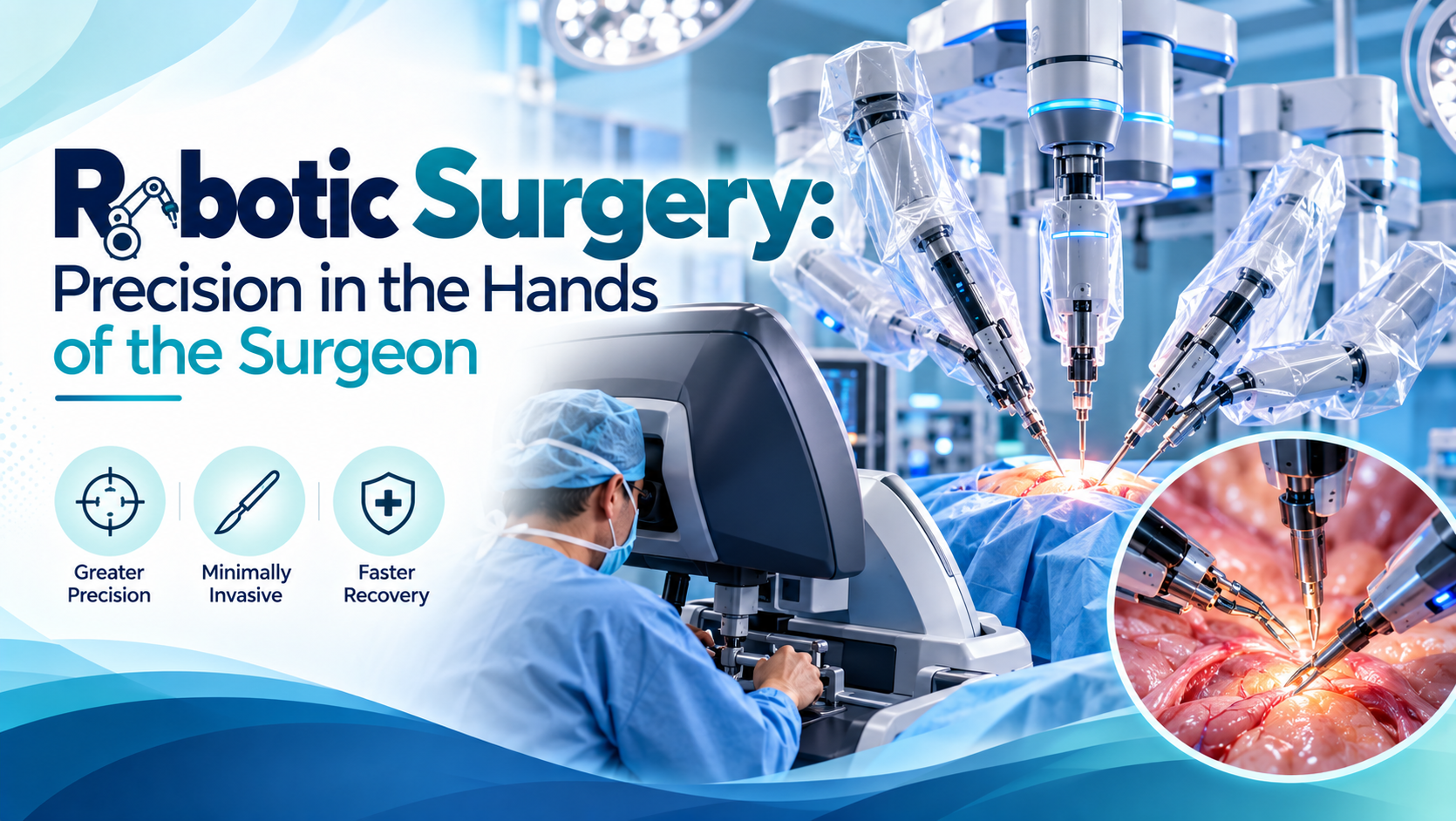
Robotic Surgery: Precision in the Hands of the Surgeon
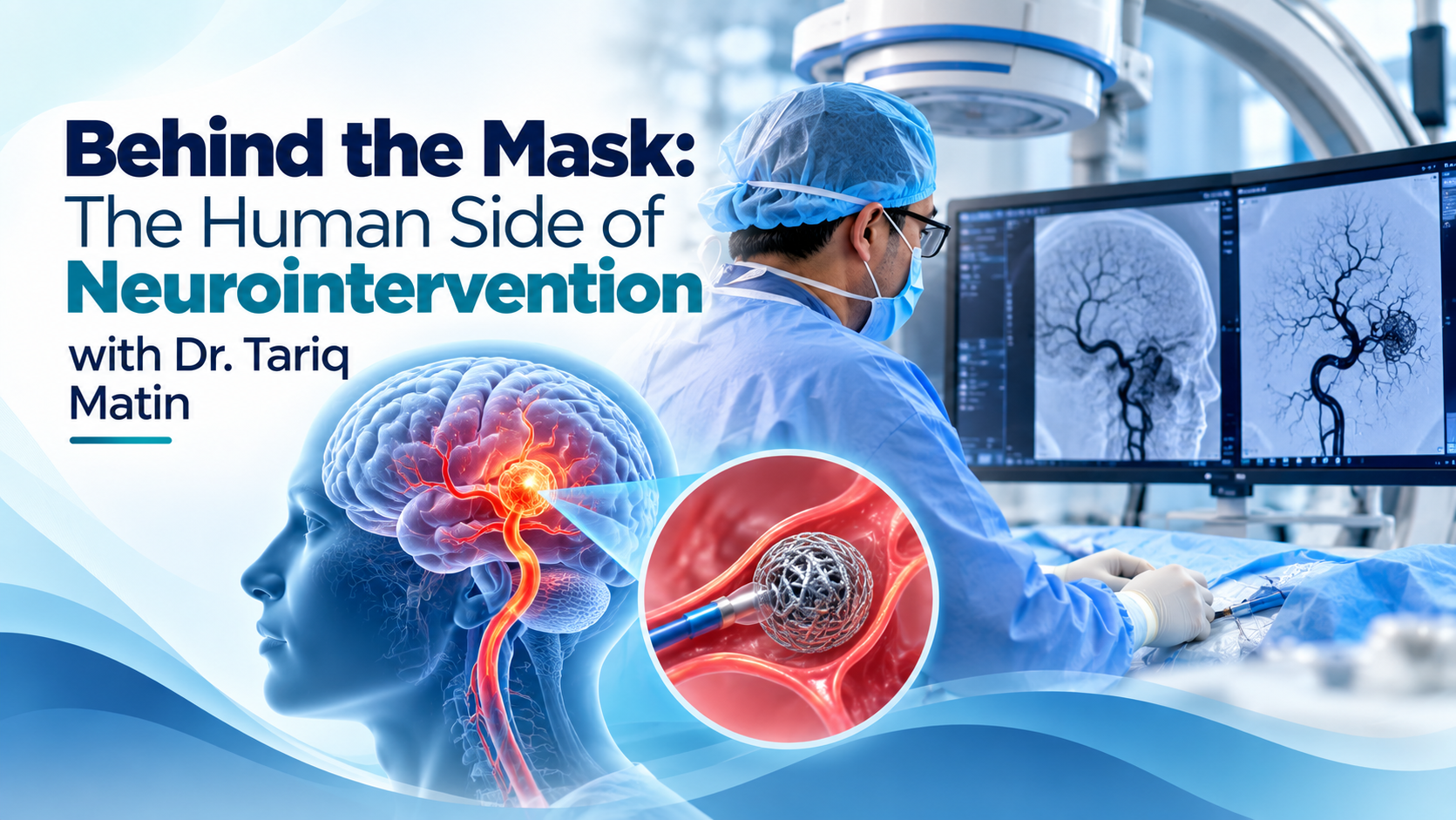
Behind the Mask: The Human Side of Neurointervention with Dr. Tariq Matin

Womanhood Is a Journey — Health Should Be Part of Every Stage

India's Metabolic Wake-Up Call
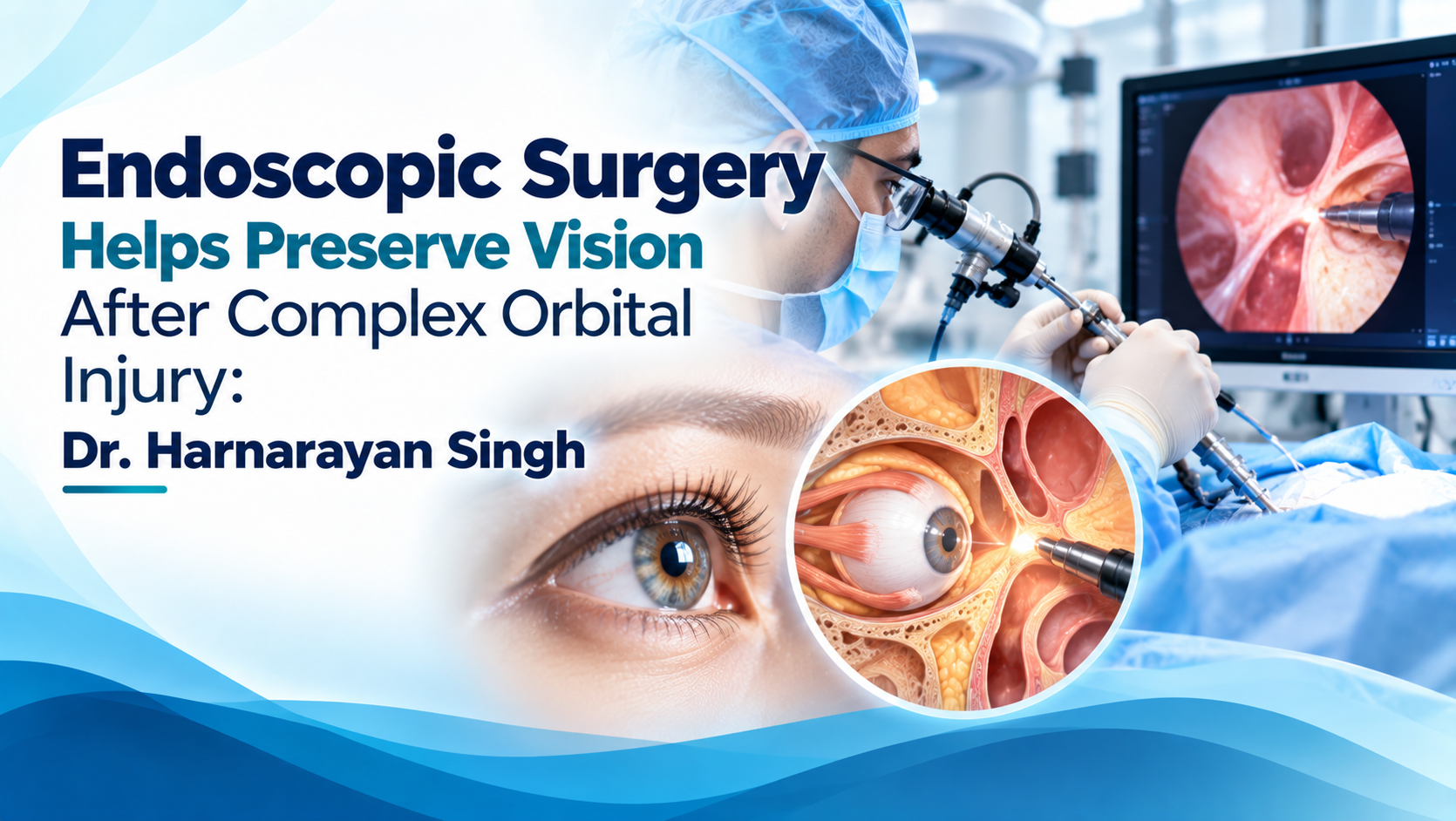
Endoscopic Surgery Helps Preserve Vision After Complex Orbital Injury: Dr. Harnarayan Singh
Interventional Radiology: The Life-Changing Treatment You've Probably Never Heard Of!
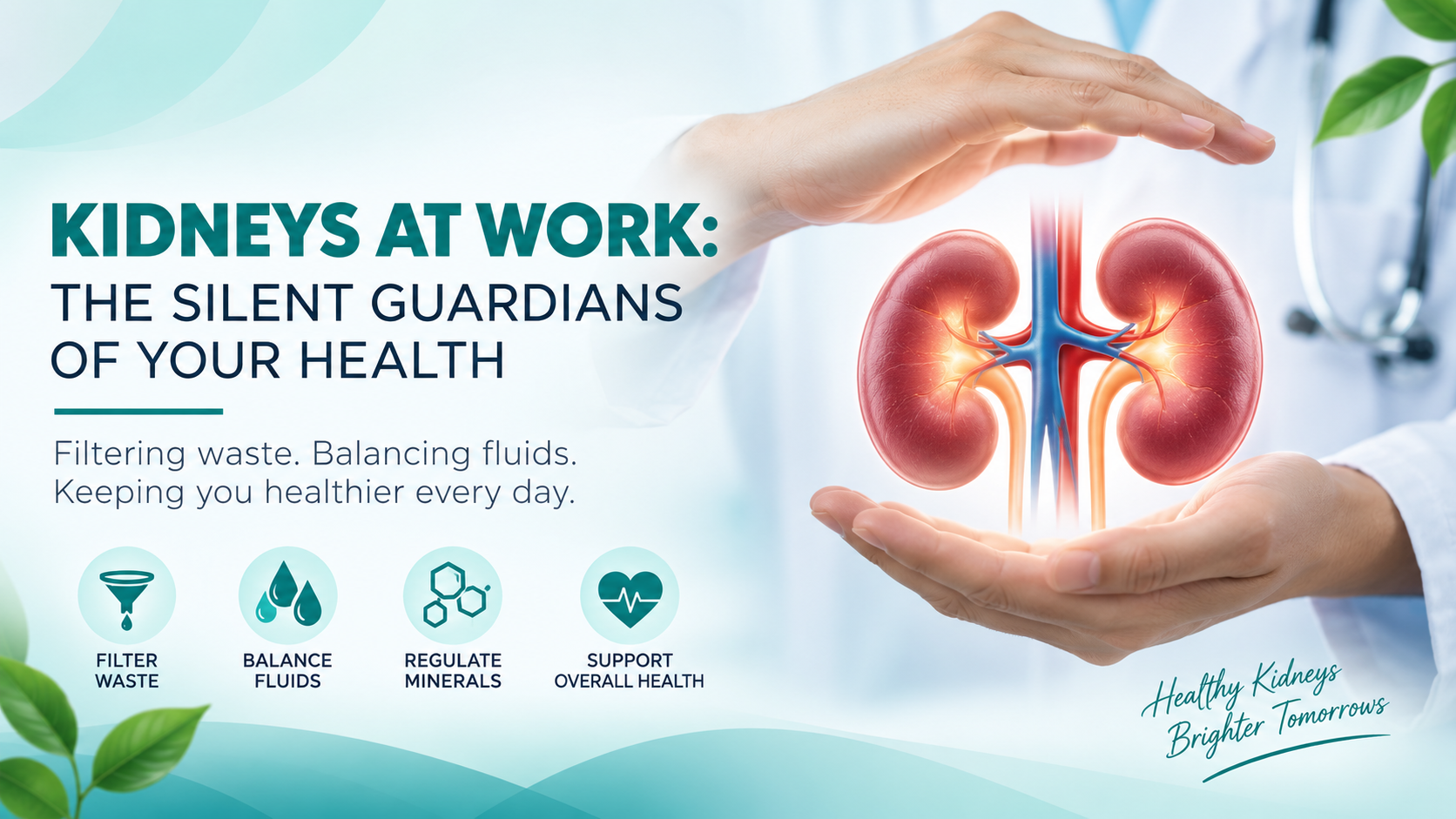
Kidneys at Work: The Silent Guardians of Your Health

Your Heart May Be Talking. Are You Listening?

Why Are More Young Adults Facing Nerve Damage, Numbness & Back Pain?
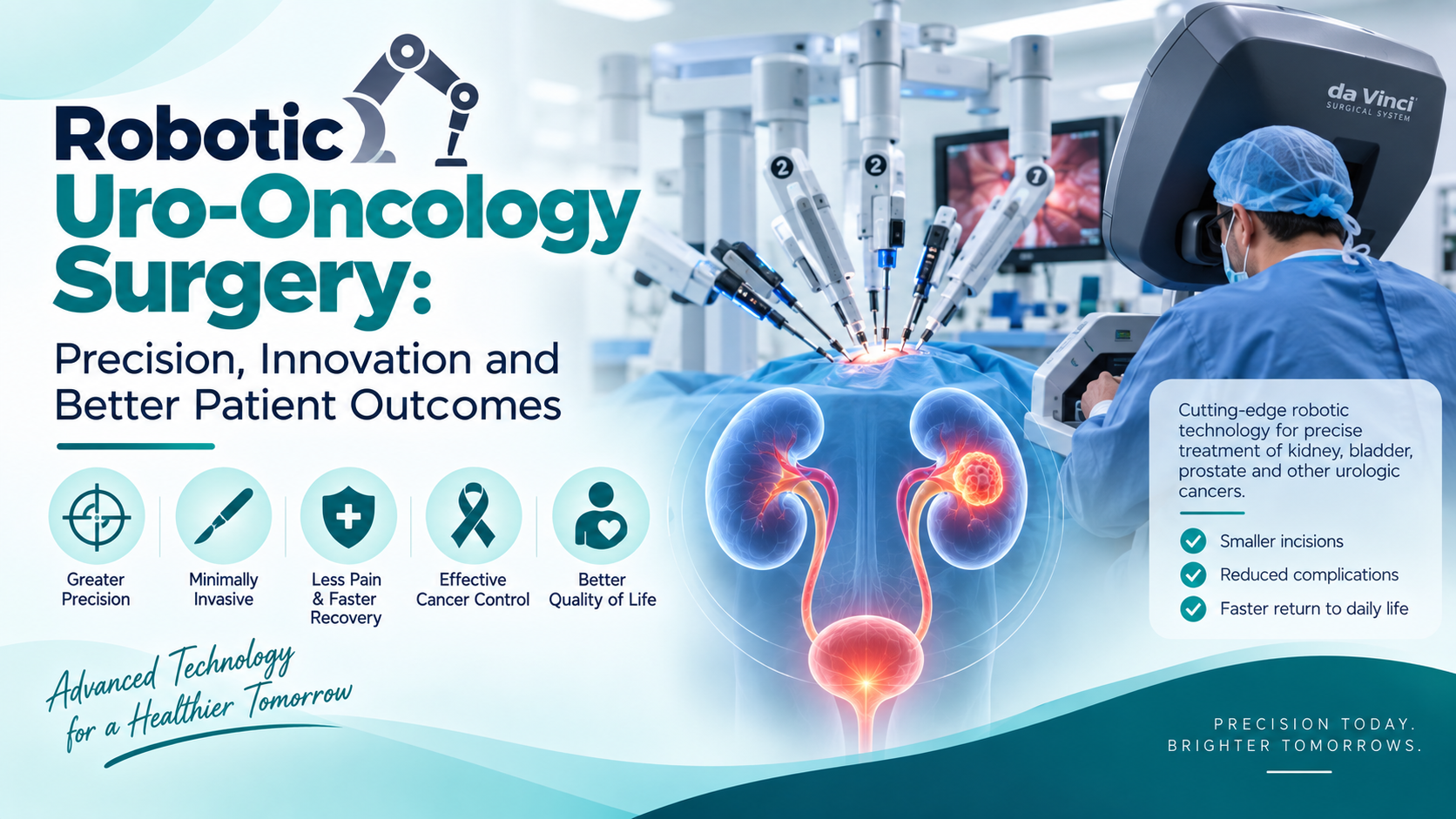
Robotic Uro-Oncology Surgery: Precision, Innovation and Better Patient Outcomes

Vape Culture: The Hidden Trap Among Youth

Flu Cases Rise in NCR: Dr. Abhijeet Singh on Symptoms, Treatment & Prevention