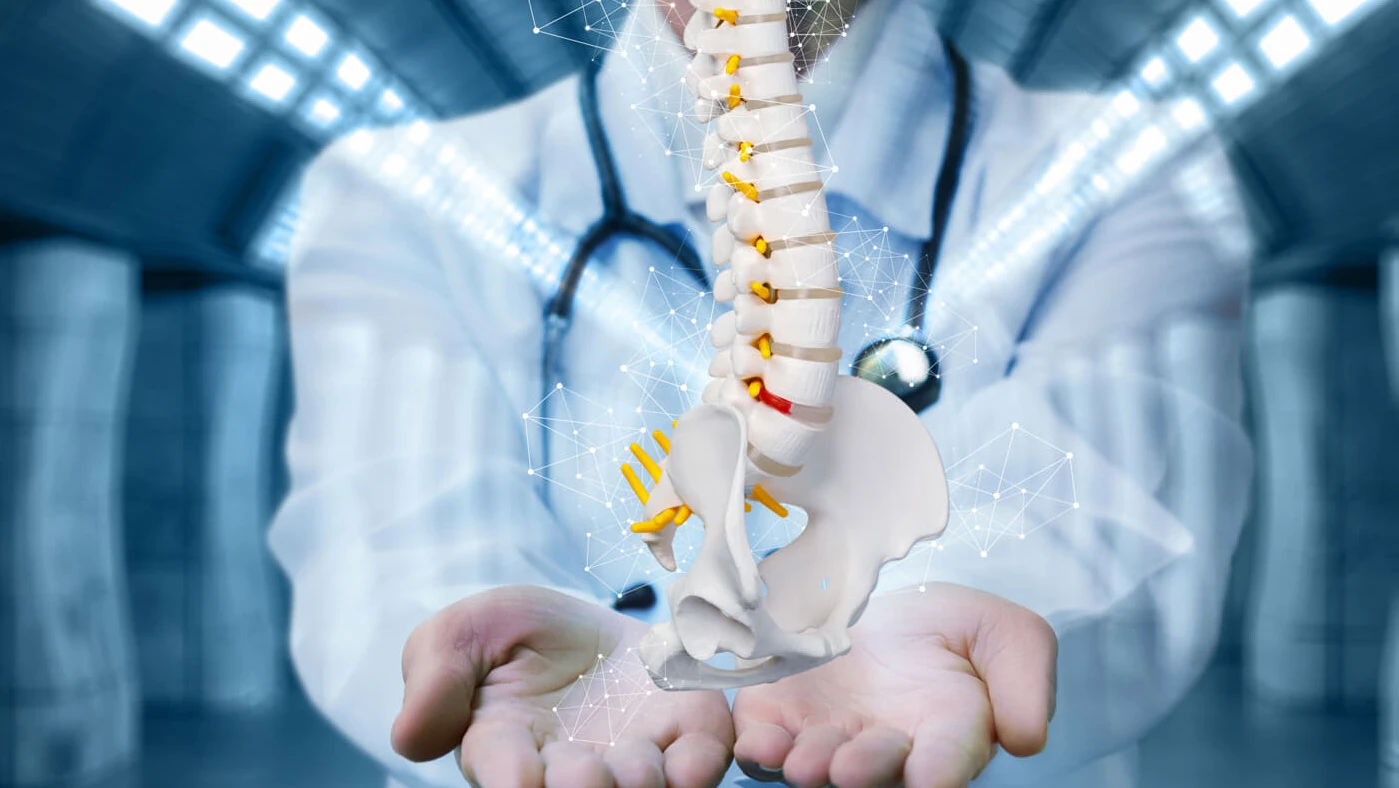
The Evolution of Modern Spine Surgery
A Minimally Invasive Approach to Spinal Care
Chronic back pain, neck pain, sciatica and nerve compression can significantly affect mobility, independence and quality of life. For patients who do not respond adequately to conservative treatment, surgery may become an important consideration. Advances in neurosurgery have introduced endoscopic spine surgery as a minimally invasive option for selected spinal conditions.
Endoscopic spine surgery uses a specialised camera, called an endoscope, and precision instruments to access the affected area through a small incision. The surgeon views the surgical site on a monitor and treats the underlying problem while aiming to minimise disruption to surrounding muscles and soft tissues.
Unlike conventional open surgery, which may require a larger surgical exposure, endoscopic techniques provide targeted access to certain spinal structures. The approach may offer benefits such as reduced postoperative discomfort, smaller scars and potentially faster recovery in appropriately selected patients.
Which Conditions Can Be Treated?
Endoscopic spine surgery may be considered for specific conditions, including:
- Herniated or slipped discs: When disc material compresses nearby nerves.
- Sciatica: When spinal nerve irritation causes pain radiating into the leg.
- Spinal stenosis: When narrowing around the spinal canal or nerve passages causes compression.
- Nerve root compression: When pressure on a nerve leads to pain, tingling, numbness or weakness.
- Selected degenerative spinal conditions: When age-related changes contribute to persistent symptoms.
The right treatment depends on the diagnosis, severity of symptoms, imaging findings and overall health. Medication, physiotherapy and other non-surgical treatments may be appropriate for many patients.
PAGE 2 — Expertise, Recovery and the Future of Spine Care
The Role of Surgical Expertise
Dr. Prankul Singhal is a neurosurgeon whose professional profile includes advanced neurosurgical procedures, neuroendoscopy and minimally invasive spine surgery. His listed qualifications include an MCh in Neurosurgery from PGIMER, Chandigarh, and fellowship training in Neuroendoscopy.
In modern spine care, advanced technology must be supported by accurate diagnosis, detailed anatomical knowledge and careful patient selection. A comprehensive assessment helps determine whether a patient is likely to benefit from endoscopic surgery or whether another treatment approach would be more appropriate.
For patients experiencing persistent back pain, neck pain or radiating nerve symptoms, consultation with a qualified neurosurgeon can help establish the cause and identify suitable treatment options.
What Should Patients Expect?
Before surgery: The doctor evaluates symptoms, medical history, neurological function and imaging, such as MRI scans. Treatment alternatives, expected outcomes and potential risks are discussed.
During surgery: The surgeon uses an endoscope and specialised instruments to reach the affected spinal area and perform the planned procedure.
After surgery: Patients receive guidance on wound care, medication, activity restrictions and follow-up. Physiotherapy may be advised when appropriate.
Recovery varies according to the condition treated, the procedure performed and the patient's general health. Patients should follow their surgeon's instructions regarding exercise, lifting and returning to work.
Safety Comes First
Although minimally invasive, endoscopic spine surgery carries risks, including infection, bleeding, nerve injury, cerebrospinal fluid leakage and persistent or recurrent symptoms. Some complex spinal conditions may require a different surgical approach.
New or worsening limb weakness, difficulty walking, loss of bladder or bowel control, or numbness around the groin requires urgent medical evaluation.
Looking Ahead: Precision-Driven Spine Care
Endoscopic spine surgery represents an important advancement in minimally invasive neurosurgery. By combining specialised visualisation with targeted surgical techniques, it offers another option for appropriately selected patients who need relief from nerve compression.
However, successful spine care is about more than a smaller incision. It requires the right diagnosis, an appropriate treatment plan, preservation of neurological function and individualised rehabilitation.
The ultimate goal is to help patients move with greater comfort, regain function and return to daily life as safely as possible.
The Future of Women's Surgical Care

Stroke: When Every Minute Can Change the Brain

Beyond Smoking: How Advanced Diagnostics Are Changing the Future of Lung Cancer Care
The Evolution of Modern Spine Surgery
Beyond Awareness: The Critical Role of Early Cancer Diagnosis
Robotic Surgery: Precision in the Hands of the Surgeon
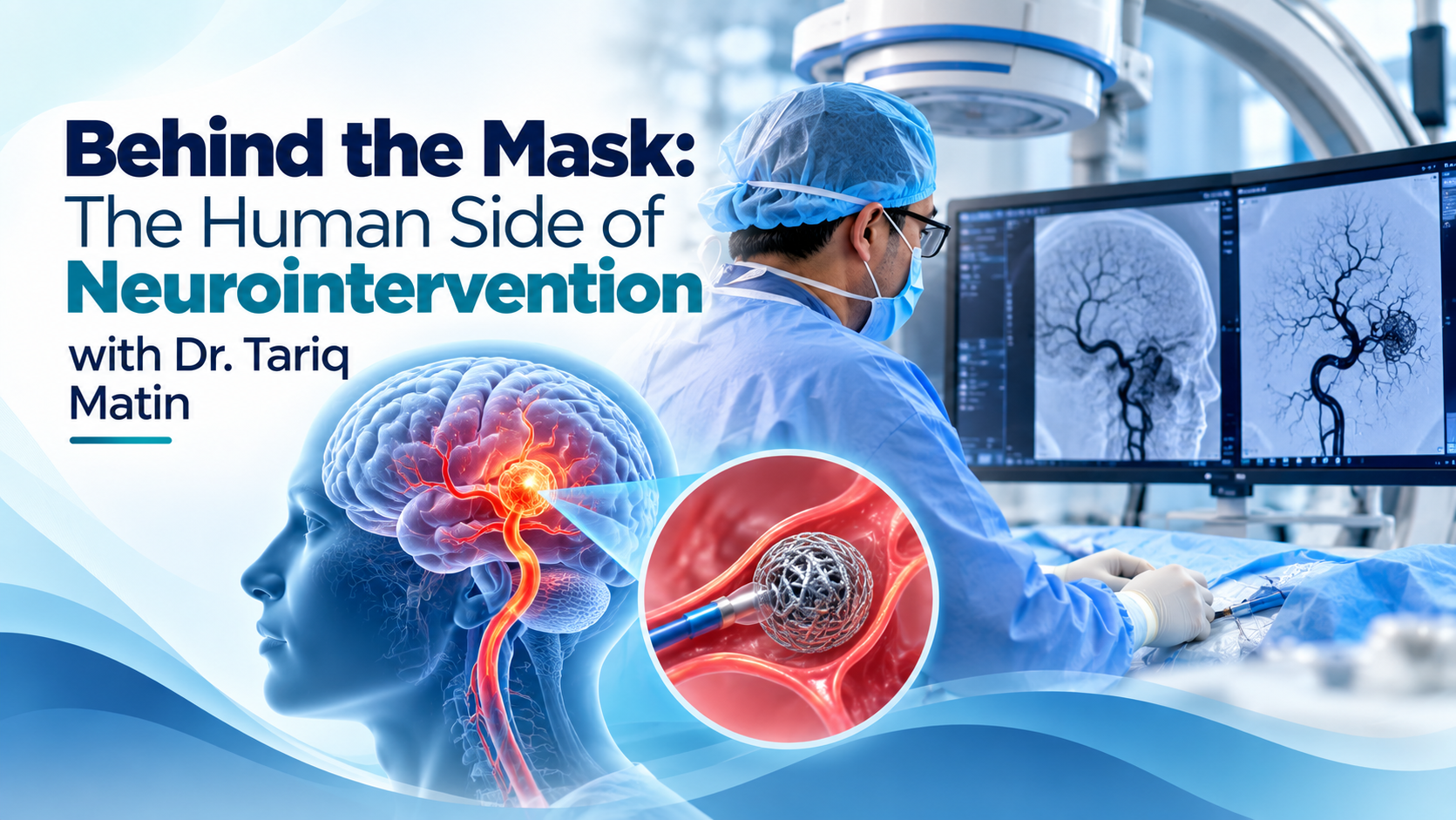
Behind the Mask: The Human Side of Neurointervention with Dr. Tariq Matin

Womanhood Is a Journey — Health Should Be Part of Every Stage

India's Metabolic Wake-Up Call
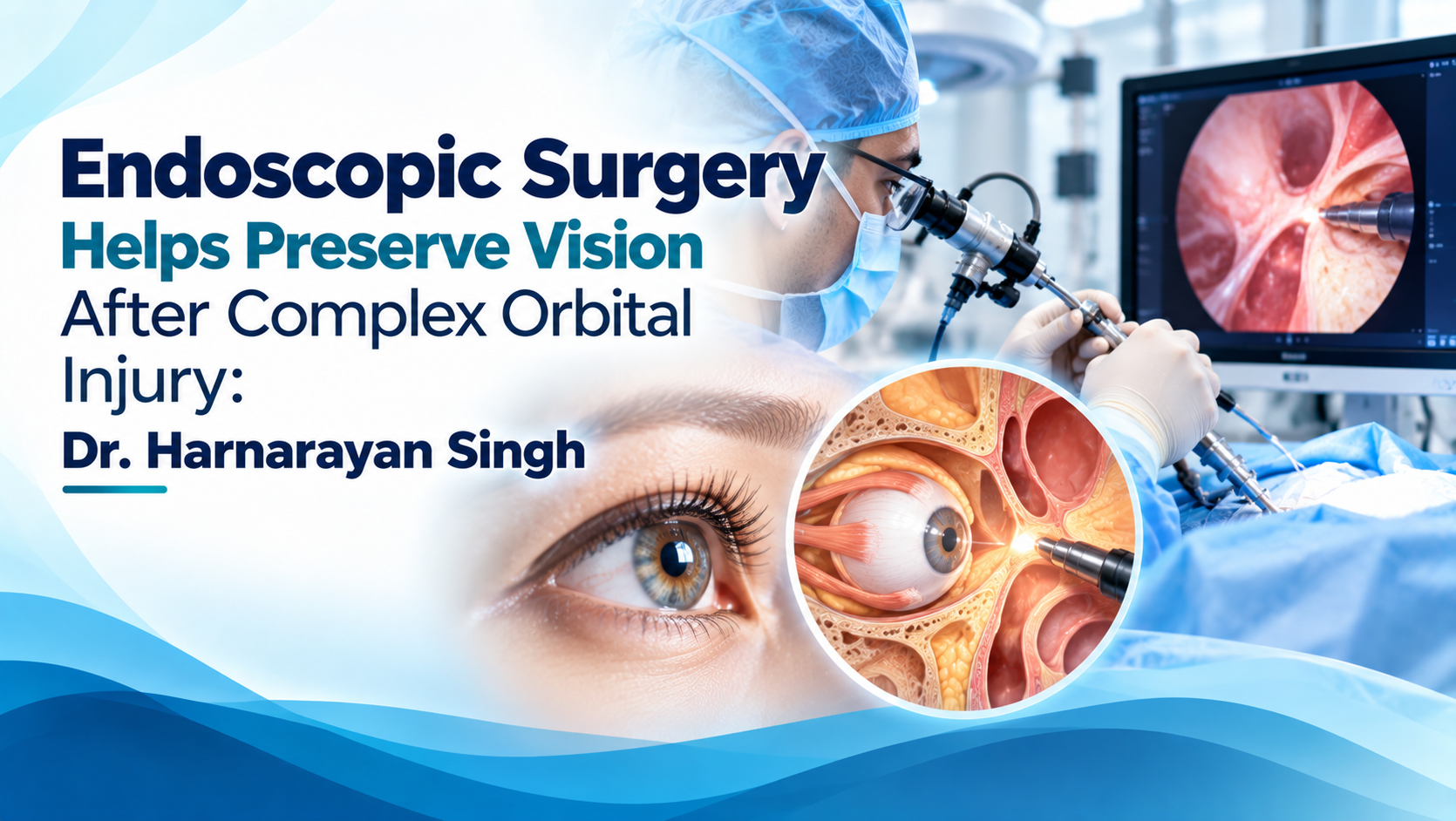
Endoscopic Surgery Helps Preserve Vision After Complex Orbital Injury: Dr. Harnarayan Singh
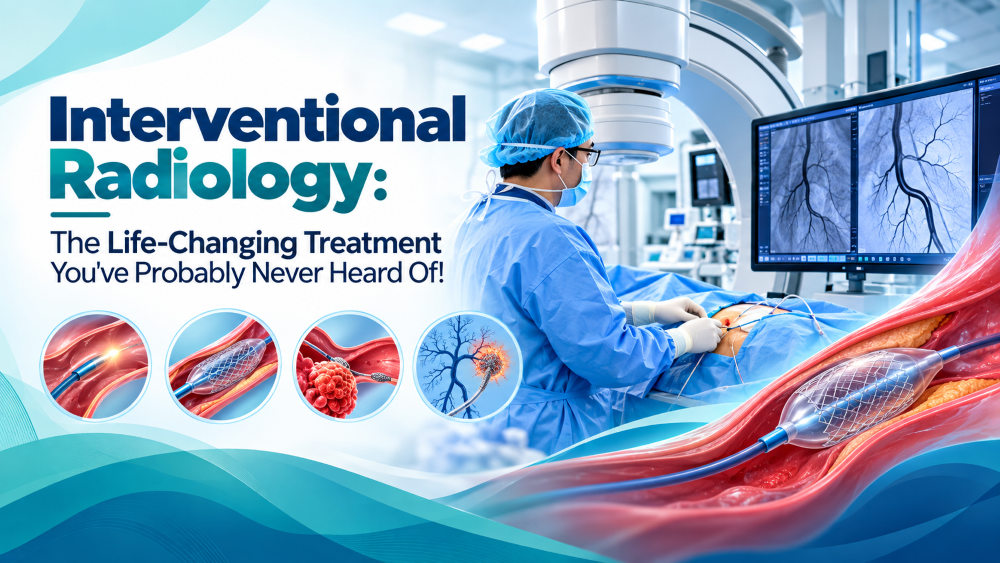
Interventional Radiology: The Life-Changing Treatment You've Probably Never Heard Of!

Kidneys at Work: The Silent Guardians of Your Health

Your Heart May Be Talking. Are You Listening?

Why Are More Young Adults Facing Nerve Damage, Numbness & Back Pain?
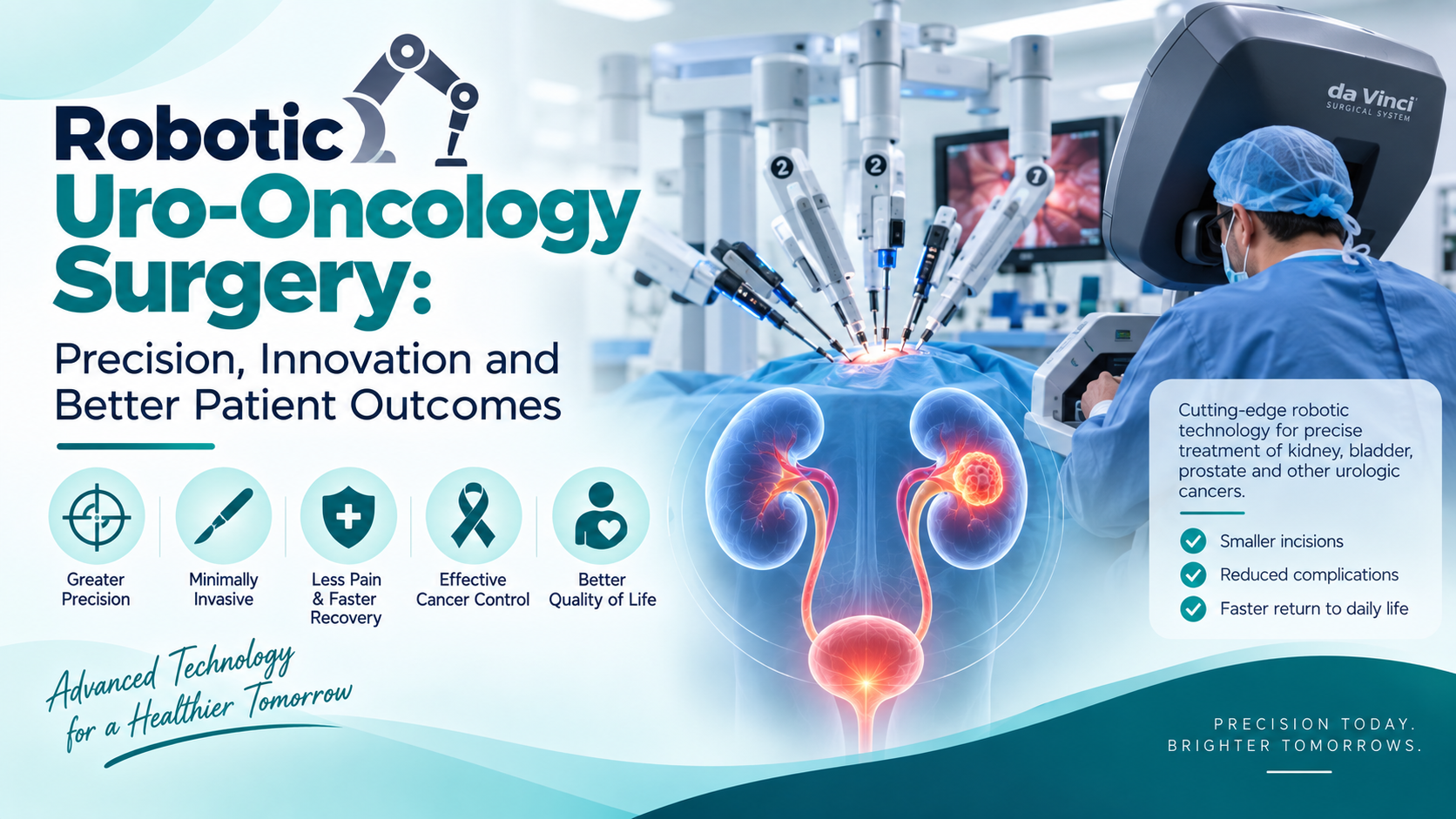
Robotic Uro-Oncology Surgery: Precision, Innovation and Better Patient Outcomes

Vape Culture: The Hidden Trap Among Youth

Flu Cases Rise in NCR: Dr. Abhijeet Singh on Symptoms, Treatment & Prevention