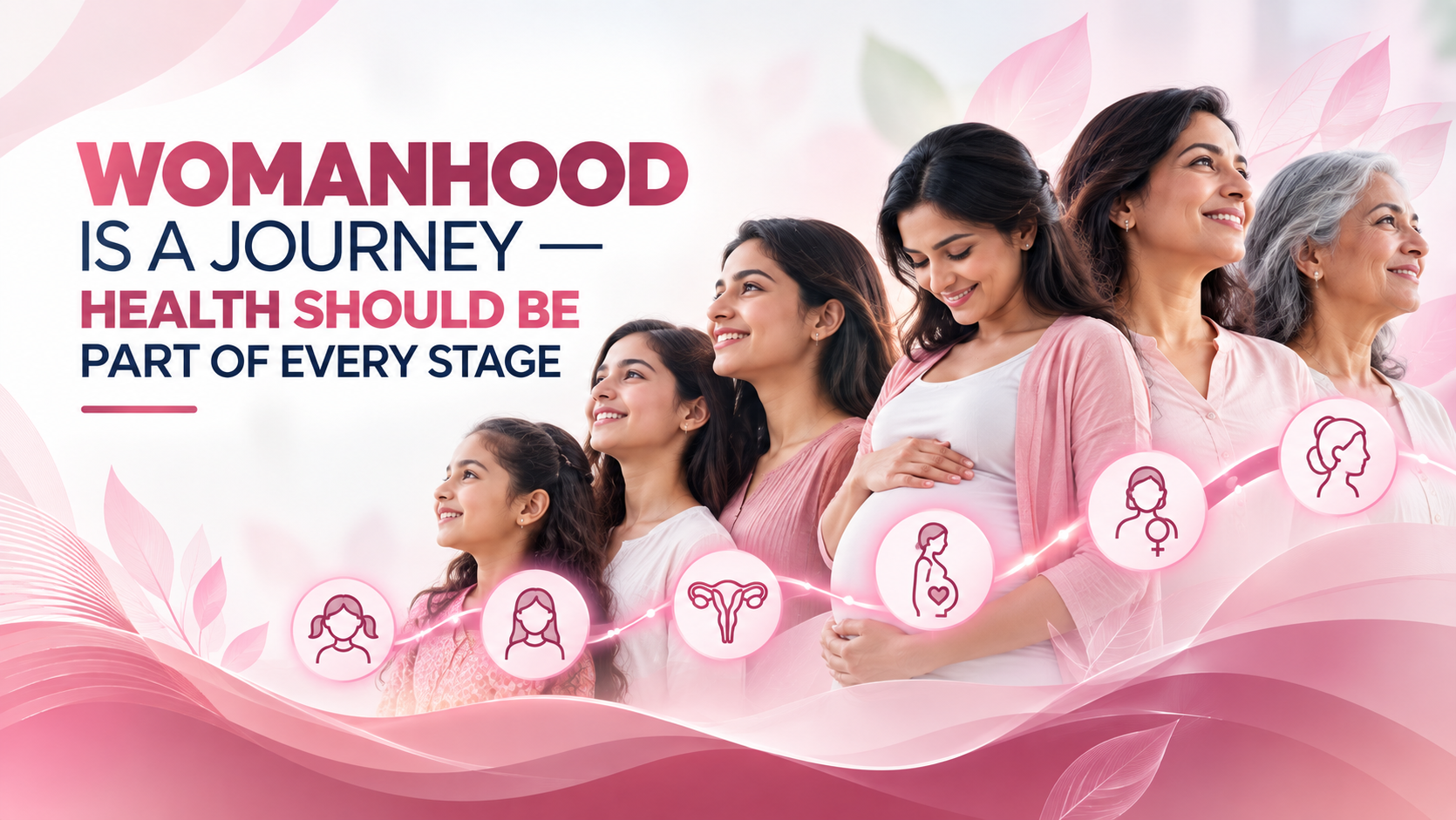
Womanhood Is a Journey — Health Should Be Part of Every Stage
A woman's life is a journey of constant change. From adolescence and the first menstrual cycle to pregnancy, motherhood, perimenopause and menopause, every stage brings unique physical, hormonal and emotional needs.
Yet, women often put their own health last.
Family responsibilities, professional commitments and everyday demands can make it easy to postpone a routine check-up or ignore symptoms that appear minor. A painful period may be accepted as normal. Persistent fatigue may be blamed on a busy lifestyle. Changes in menstrual patterns may be overlooked.
But prevention begins when a woman starts paying attention to her own health.
Listen to Your Body
Your body often provides early signals when something needs attention.
Changes such as unusually heavy menstrual bleeding, prolonged or irregular periods, persistent pelvic pain, pain during intercourse, unexplained fatigue or pressure in the abdomen should not simply be ignored.
For example, uterine fibroids can occur during the reproductive years and may cause heavy bleeding, pain, pressure symptoms and, in some women, fertility-related concerns.
The presence of symptoms does not automatically mean a serious disease. However, persistent or unusual symptoms deserve proper medical evaluation.
Prevention Starts with Awareness
Preventive healthcare is about being proactive rather than waiting for a health problem to become severe.
Every woman should understand:
- What is normal for her menstrual cycle
- Changes in bleeding patterns
- Her family medical history
- Her individual health risks
- The importance of age-appropriate screening
- When to seek professional medical advice
Knowing your personal health history can help you and your healthcare provider make better-informed decisions.
Reproductive Health Is Women's Health
Reproductive health is an important part of overall wellbeing—not something that should only be discussed when pregnancy is being planned.
Women should feel comfortable seeking professional advice about menstrual problems, contraception, fertility, pregnancy planning, pelvic pain, sexual health and changes associated with menopause.
When conditions such as fibroids are diagnosed, treatment is not necessarily the same for every woman. The appropriate approach depends on factors such as symptoms, fibroid size and location, number of fibroids and reproductive plans.
The goal should always be personalised care—not a one-size-fits-all approach.
Prevention Today Can Support a Healthier Tomorrow
Prevention is not limited to medical tests. It also involves the everyday choices that influence long-term wellbeing.
Regular physical activity, nutritious food, adequate sleep, maintaining a healthy weight and managing stress can all contribute to better overall health.
The discussion around uterine fibroids also highlights the importance of an active lifestyle and healthy dietary habits, including vegetables, leafy greens and fibre.
Don't Normalise Persistent Symptoms
One of the biggest barriers to women's healthcare is the tendency to consider certain symptoms simply "part of being a woman."
They don't always have to be.
Heavy menstrual bleeding, bleeding with clots, frequent periods, persistent pelvic or lower abdominal pain, back pain, urinary symptoms, constipation or pain during intercourse can affect quality of life and may require medical assessment.
Pain that keeps returning deserves attention.
Bleeding that disrupts daily life deserves attention.
Changes that concern you deserve attention.
Seeking medical advice does not mean something is necessarily wrong. Sometimes, it simply provides reassurance and clarity.
A Woman Should Not Have to Wait for a Health Problem to Prioritise Herself
Women are often the caregivers, the decision-makers and the support system for their families.
But her health matters too.
A routine consultation can provide reassurance.
A screening test can help identify a problem early.
A conversation with a doctor can turn uncertainty into understanding.
Make Prevention a Part of Your Womanhood
Know your body.
Recognise the changes.
Ask questions.
Get appropriate screening.
Seek timely medical advice.
And make your health a priority—not an afterthought.
Because a Healthier Woman Builds a Healthier Future

The Future of Women's Surgical Care

Stroke: When Every Minute Can Change the Brain

Beyond Smoking: How Advanced Diagnostics Are Changing the Future of Lung Cancer Care
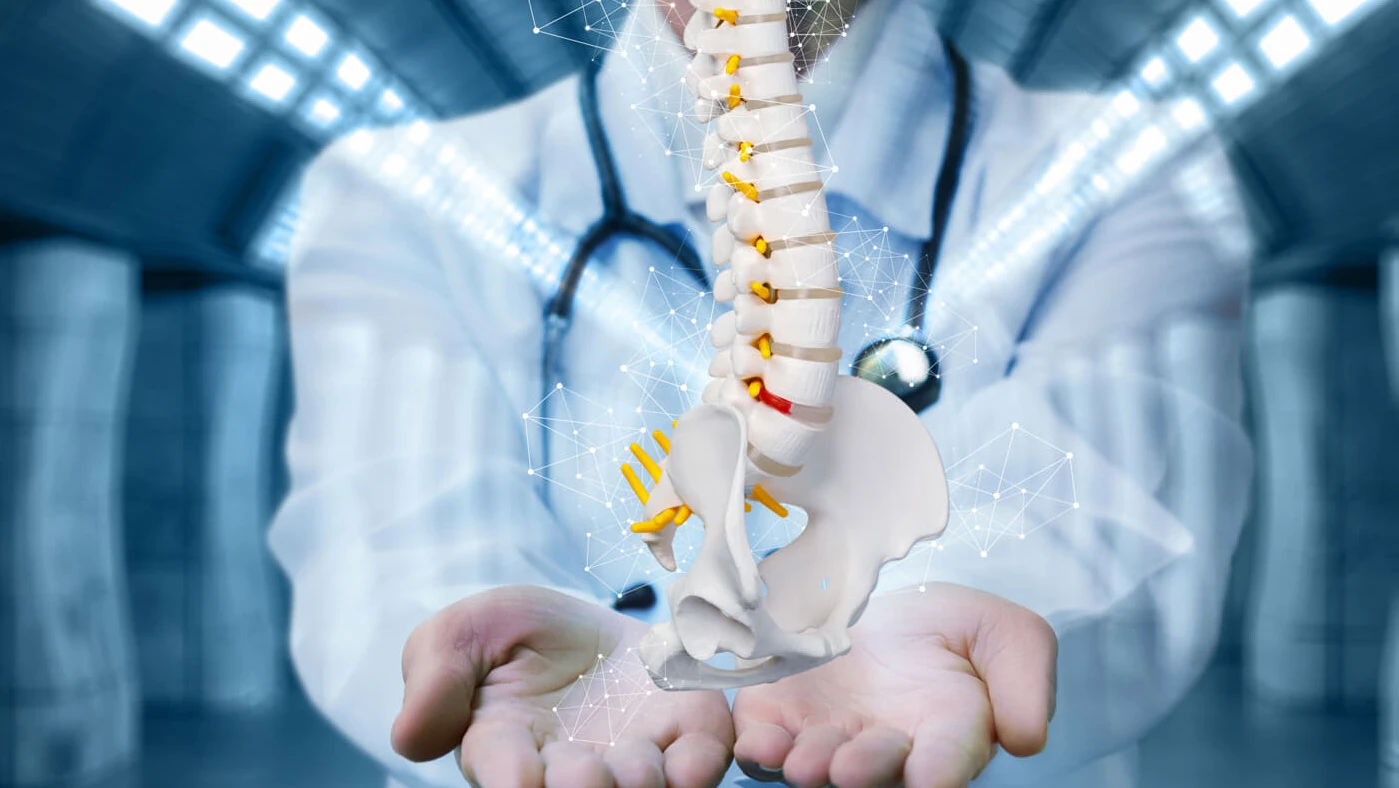
The Evolution of Modern Spine Surgery
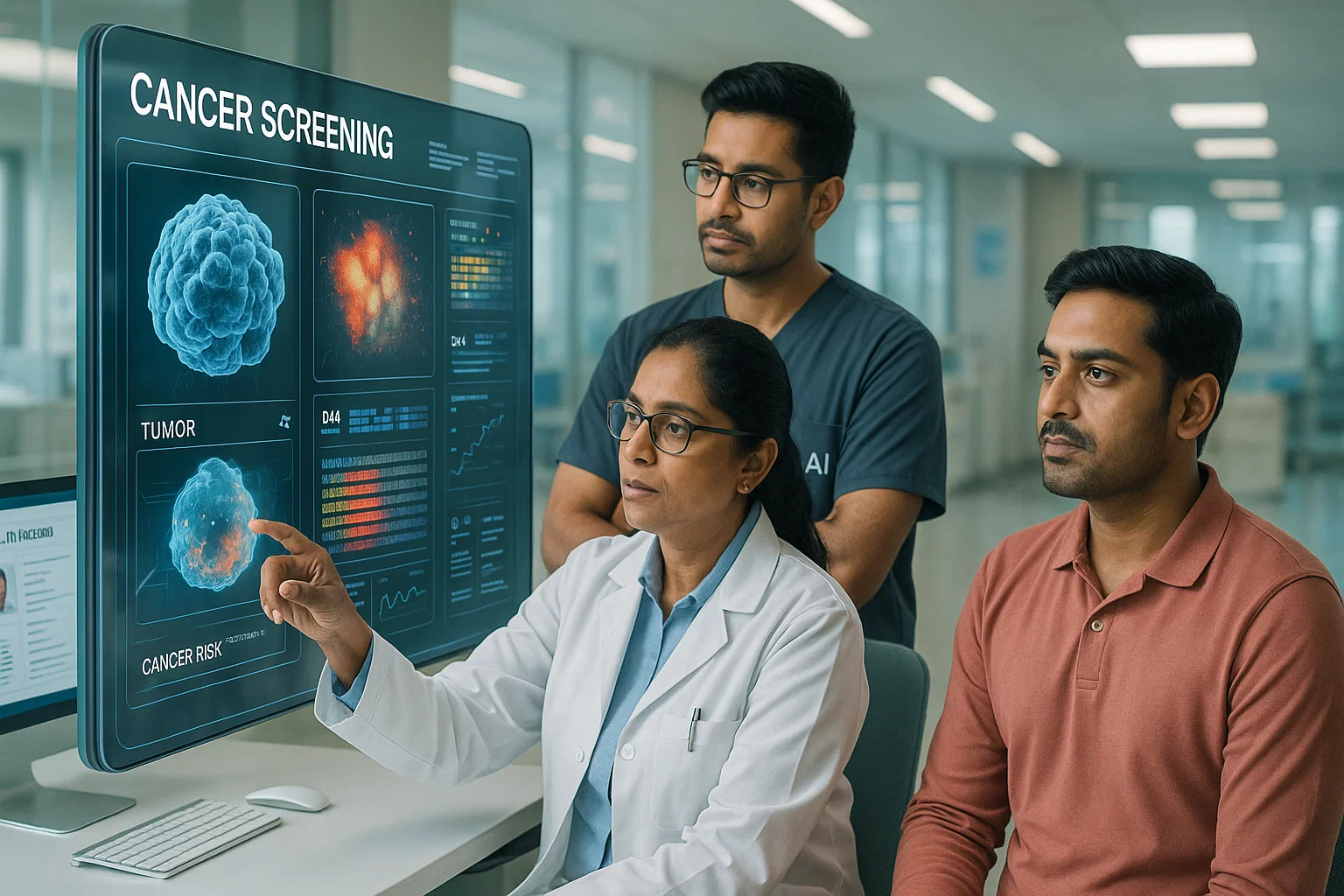
Beyond Awareness: The Critical Role of Early Cancer Diagnosis
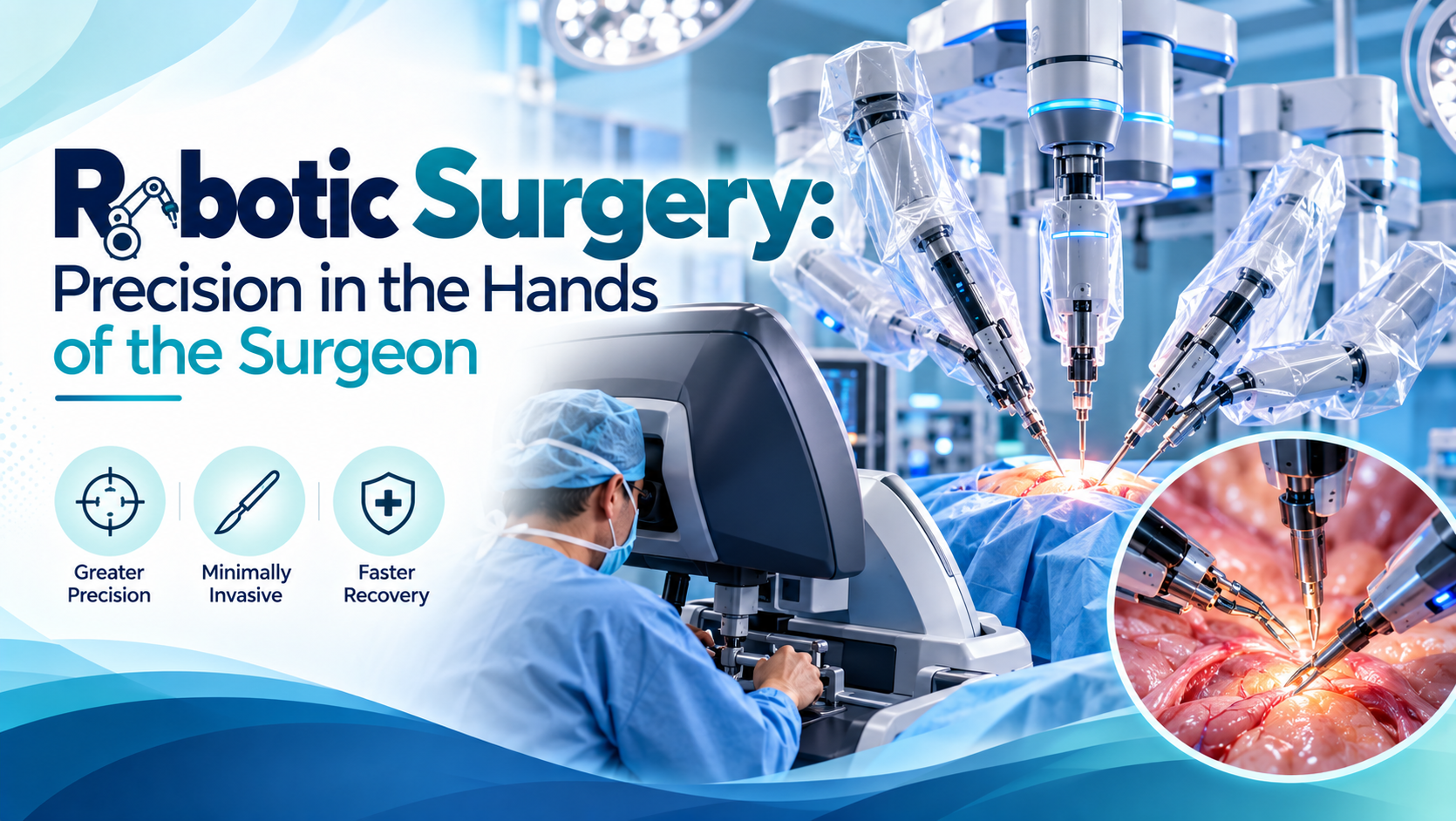
Robotic Surgery: Precision in the Hands of the Surgeon
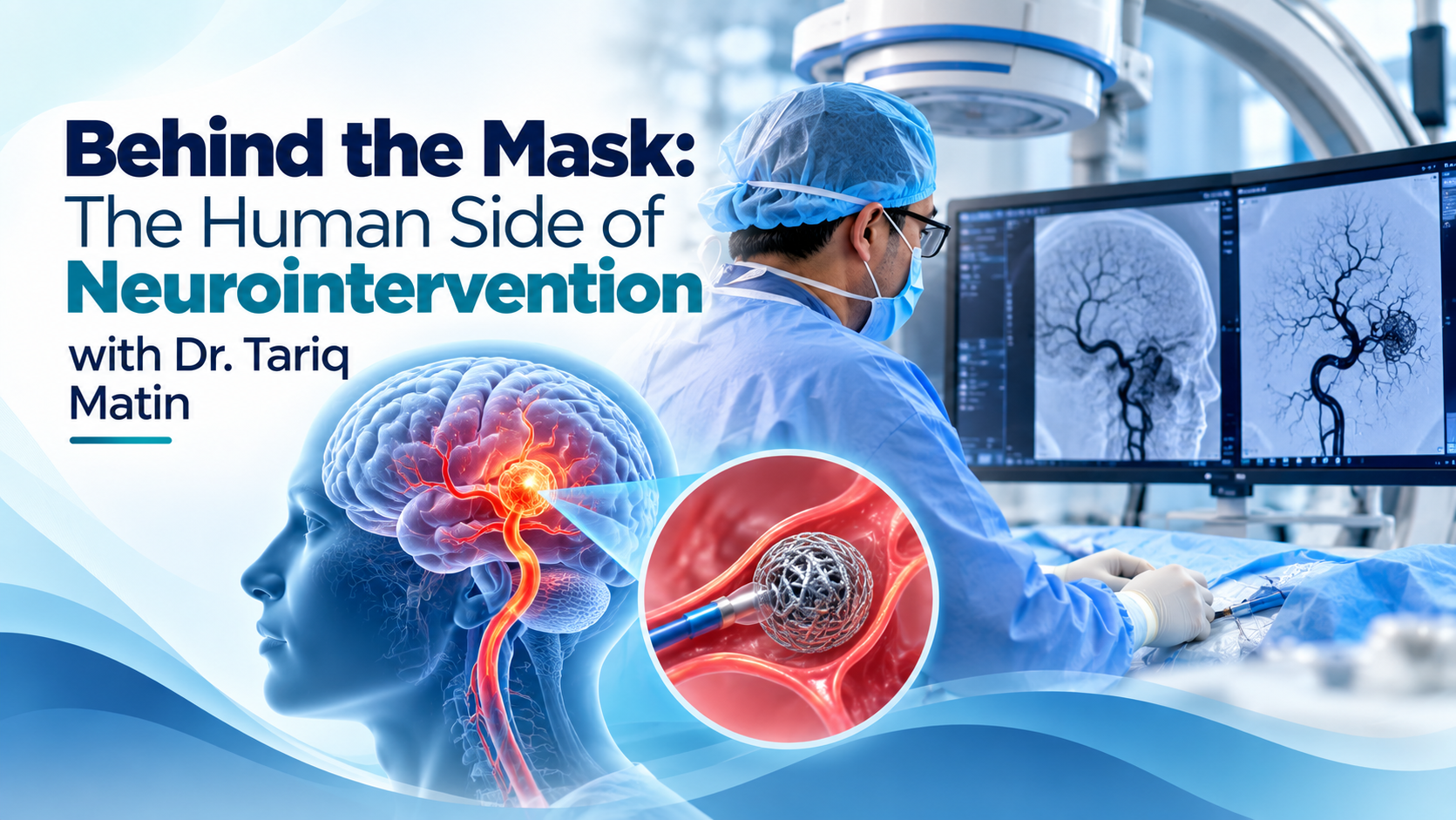
Behind the Mask: The Human Side of Neurointervention with Dr. Tariq Matin
Womanhood Is a Journey — Health Should Be Part of Every Stage

India's Metabolic Wake-Up Call
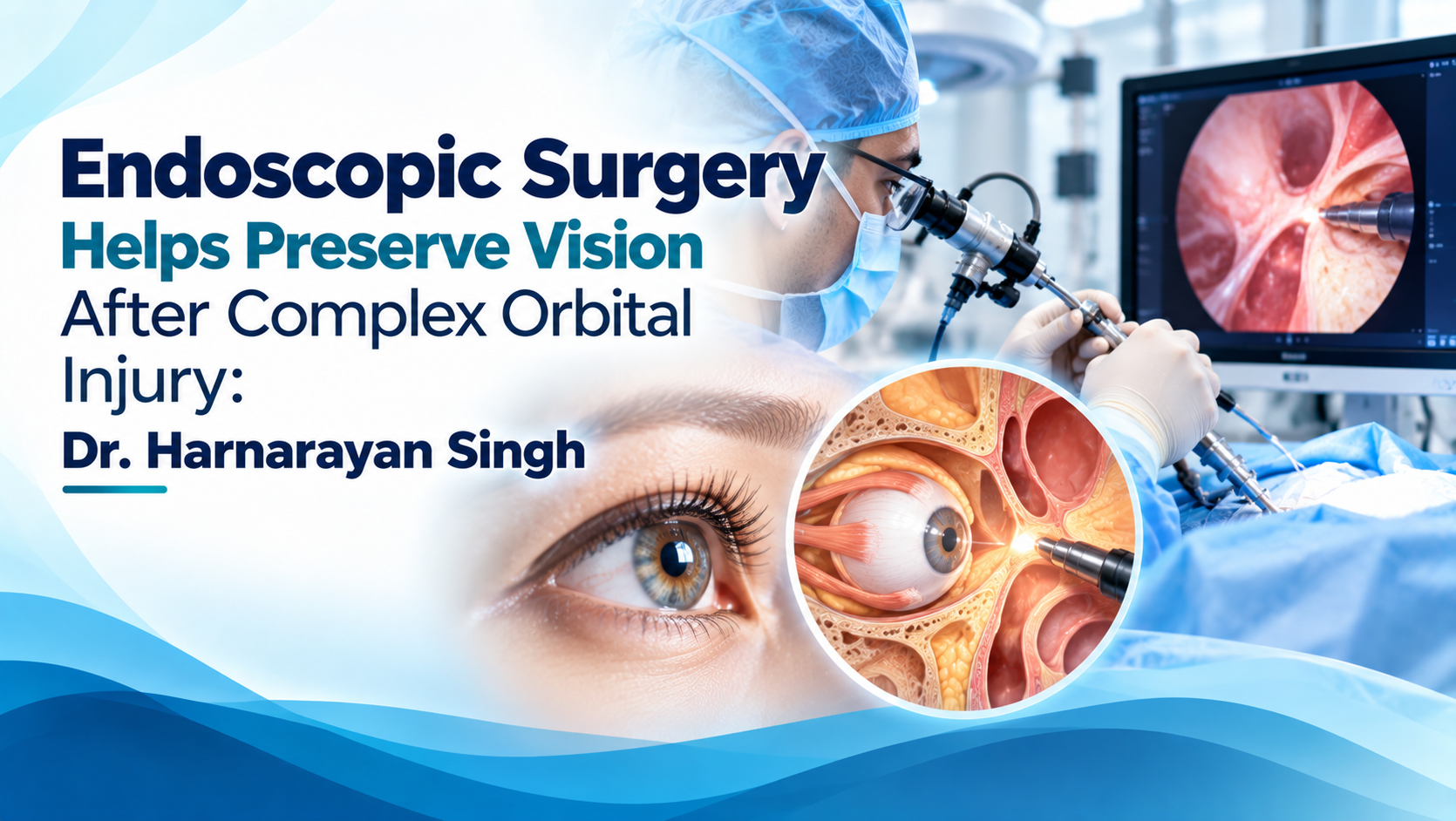
Endoscopic Surgery Helps Preserve Vision After Complex Orbital Injury: Dr. Harnarayan Singh
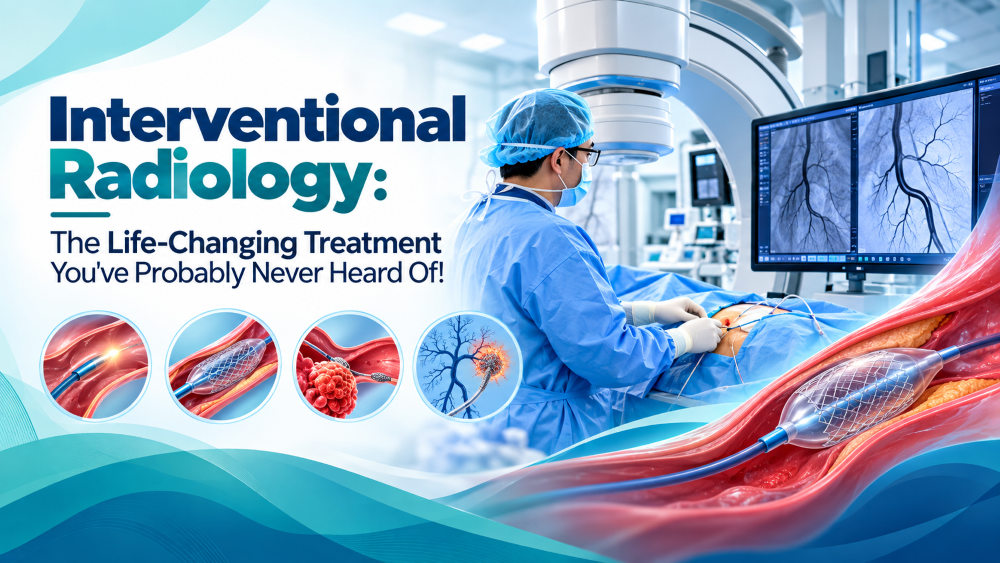
Interventional Radiology: The Life-Changing Treatment You've Probably Never Heard Of!
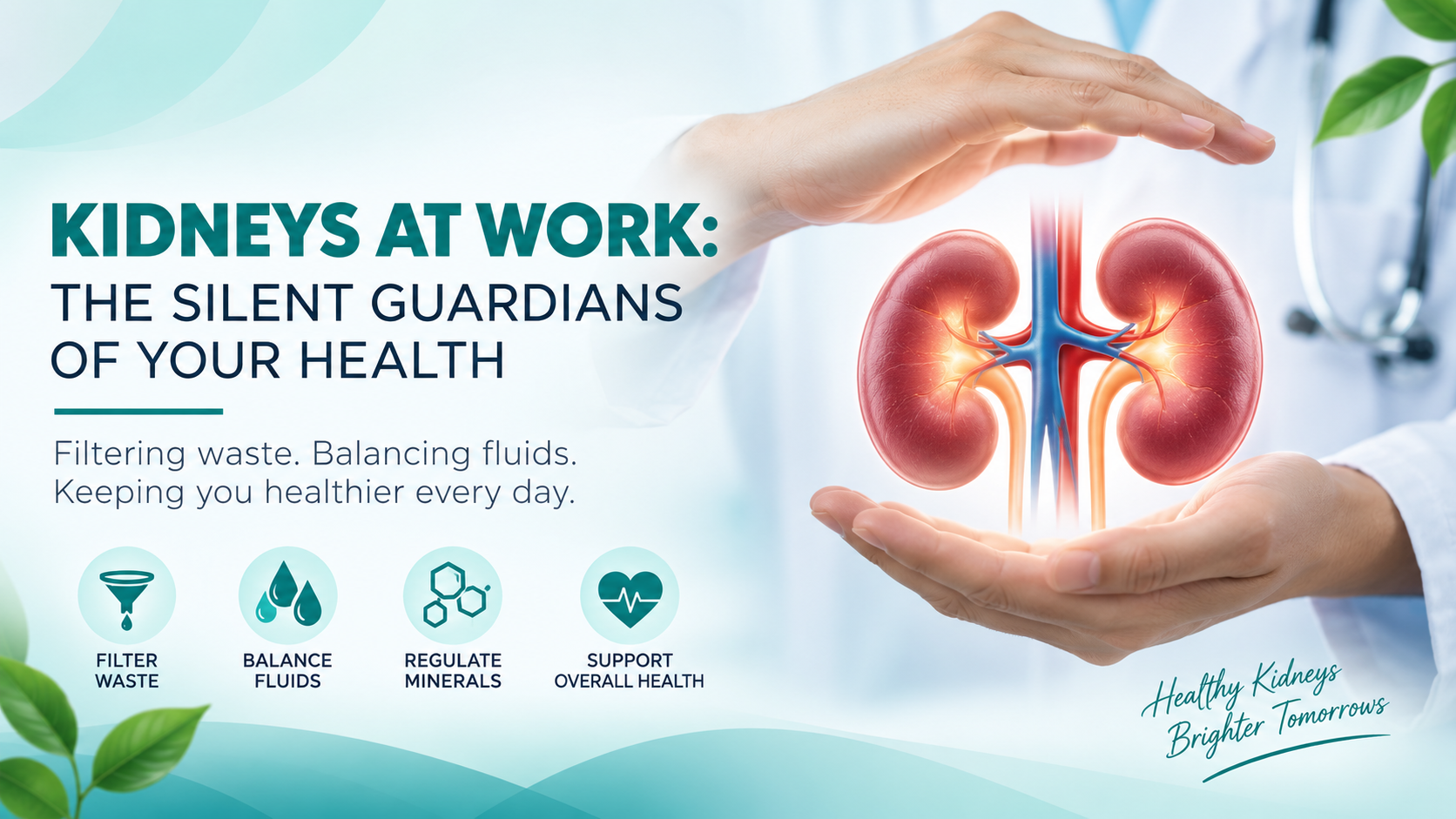
Kidneys at Work: The Silent Guardians of Your Health

Your Heart May Be Talking. Are You Listening?
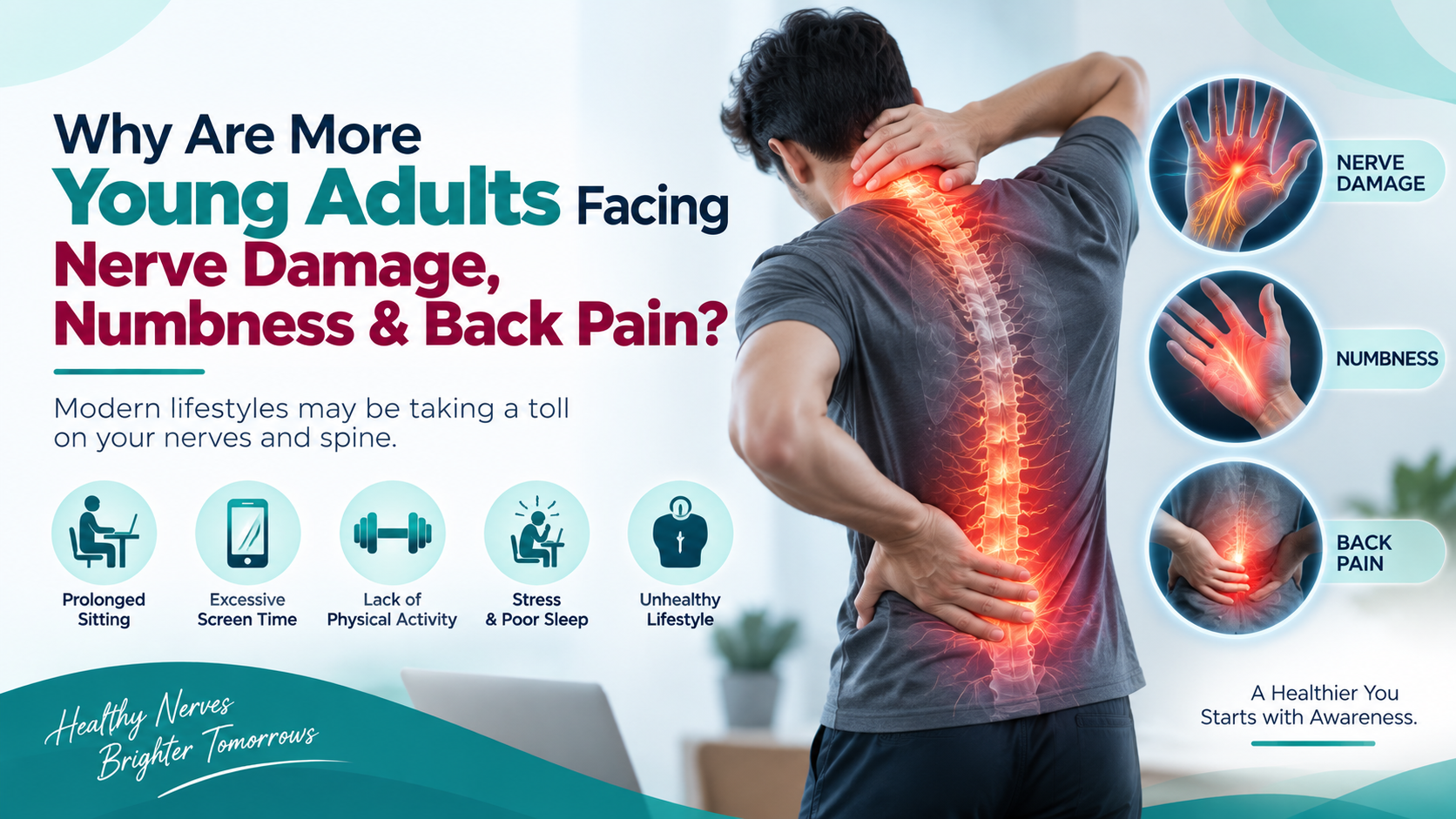
Why Are More Young Adults Facing Nerve Damage, Numbness & Back Pain?
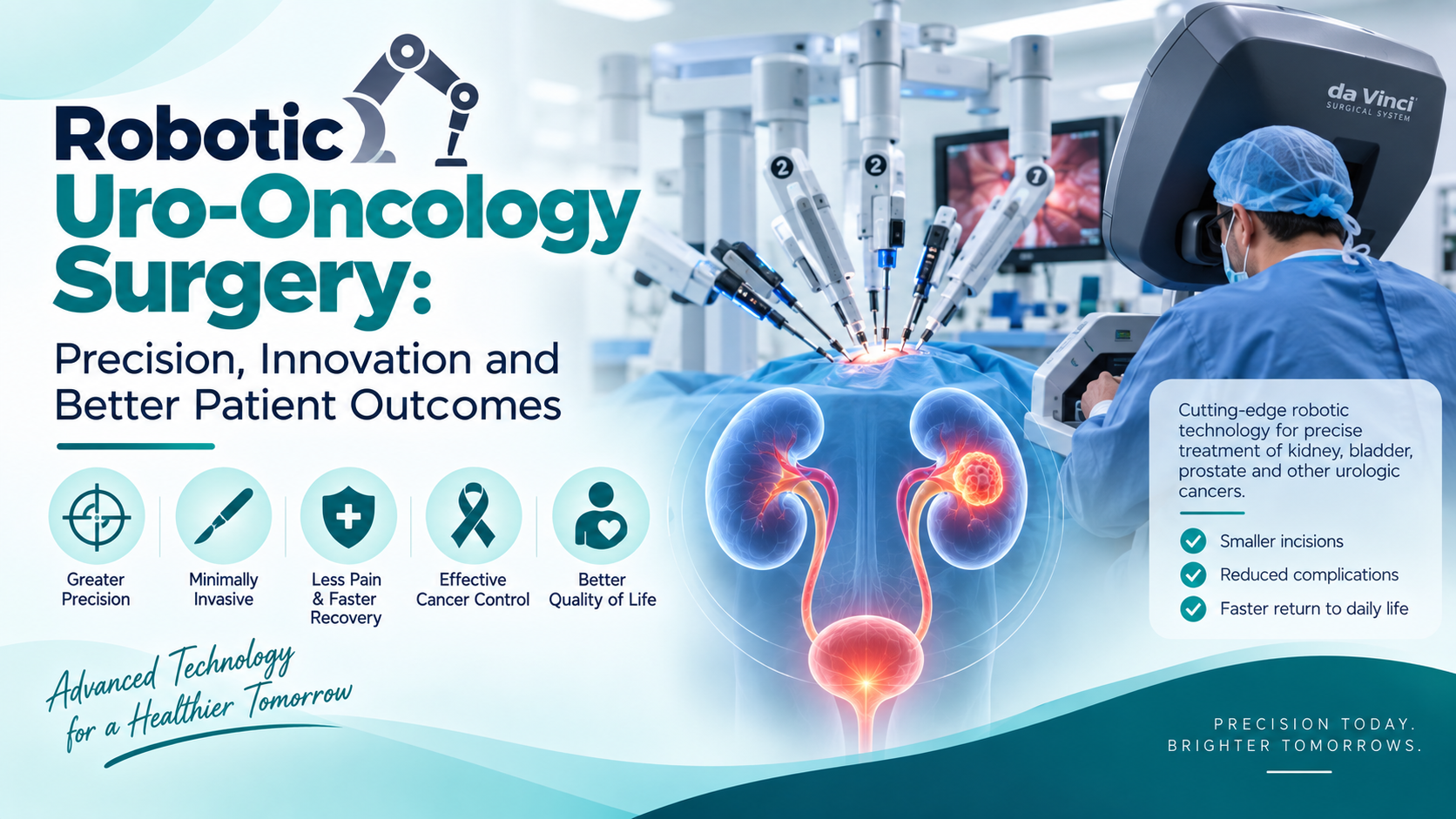
Robotic Uro-Oncology Surgery: Precision, Innovation and Better Patient Outcomes

Vape Culture: The Hidden Trap Among Youth

Flu Cases Rise in NCR: Dr. Abhijeet Singh on Symptoms, Treatment & Prevention