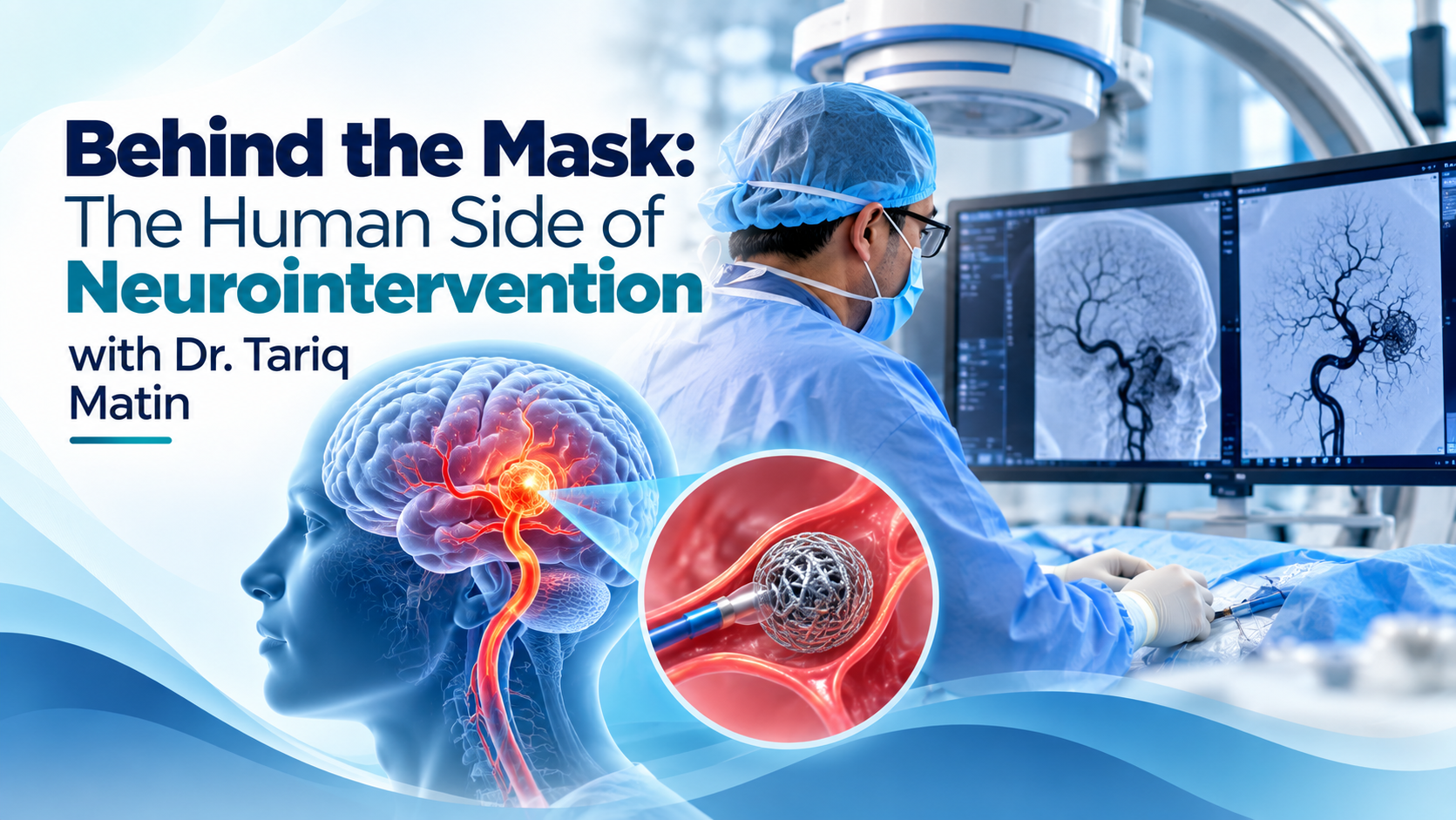
Behind the Mask: The Human Side of Neurointervention with Dr. Tariq Matin
Behind every medical decision is not just a doctor, but a person—someone who carries responsibility, pressure, compassion and hope.
For Dr. Tariq Matin, the world of Neurointervention combines advanced medical expertise with the deeply human responsibility of caring for patients when every minute matters.
The Person Behind the Doctor
A career in medicine is shaped by more than academic knowledge. It begins with motivation, personal experiences and the desire to make a meaningful difference in people's lives.
Dr. Tariq Matin's journey into the field of Neurology and Neurointervention reflects the importance of understanding the person behind the medical professional. Beyond the hospital and the clinical environment, doctors too have experiences, emotions and responsibilities that shape how they approach their profession.
Staying grounded while managing the demands of medicine is an essential part of maintaining the clarity and compassion required in patient care.
When Every Minute Matters
Few medical emergencies highlight the importance of time as strongly as stroke.
In acute neurological emergencies, doctors may have only a limited window to assess the patient, identify the underlying problem and determine the most appropriate treatment. These situations demand rapid decision-making, technical expertise and the ability to remain calm under pressure.
This is where the principle "Time is Brain" becomes particularly important.
Every minute during an untreated stroke can matter. Early recognition and timely medical intervention can influence the extent of brain injury and a patient's eventual recovery and quality of life.
For families, however, these moments can be frightening and confusing. One of the biggest challenges is knowing when symptoms require immediate attention—and understanding that waiting for them to improve on their own can cost valuable time.
Understanding Neurointervention
Neurointervention is a specialised field that uses minimally invasive, image-guided techniques to diagnose and treat conditions involving the blood vessels of the brain and nervous system.
The field has transformed the management of several complex neurological and vascular conditions. In stroke care, advances in intervention have opened new possibilities for patients who previously had limited treatment options.
But technology can only make a difference when patients reach appropriate medical care in time.
Recognising the warning signs of stroke is therefore critical. Sudden weakness or numbness, particularly on one side of the body, difficulty speaking or understanding speech, sudden vision problems, loss of balance, dizziness or a severe unexplained headache should never be ignored.
When stroke is suspected, seeking emergency medical attention immediately is far more important than waiting to see whether symptoms disappear.
The Emotional Side of Medicine
The technical demands of medicine are only one part of the profession. Doctors also experience stress, emotional fatigue and the weight of difficult decisions.
In high-pressure specialties such as Neurointervention, maintaining emotional balance is essential. Support from family, personal resilience and healthy ways of managing stress can help doctors continue to provide focused and compassionate care.
The relationship between doctor and patient is ultimately built on trust. Behind every procedure and clinical decision is a doctor who understands that patients and their families are placing immense faith in their expertise.
The Future of Neurointervention
The future of Neurointervention is closely connected with technological innovation.
Artificial Intelligence, advanced imaging, improved devices and increasingly sophisticated minimally invasive techniques have the potential to further improve diagnosis, treatment planning and patient outcomes.
As these technologies evolve, the challenge will be to ensure that innovation translates into accessible, timely and meaningful healthcare for patients.
The future of medicine will not simply be about doing more procedures or using more technology. It will be about combining innovation with clinical judgement, accessibility, empathy and patient-centred care.
A Message That Matters
The story of Neurointervention is ultimately a story about time, technology and people.
For patients and families, the most important lesson is to recognise neurological warning signs and act without delay. For doctors, it is about carrying the responsibility of their profession while remaining connected to the human side of healthcare.
Because behind every mask, every white coat and every medical decision is a person—and behind every patient is a life waiting for the right care at the right time.
The Future of Women's Surgical Care
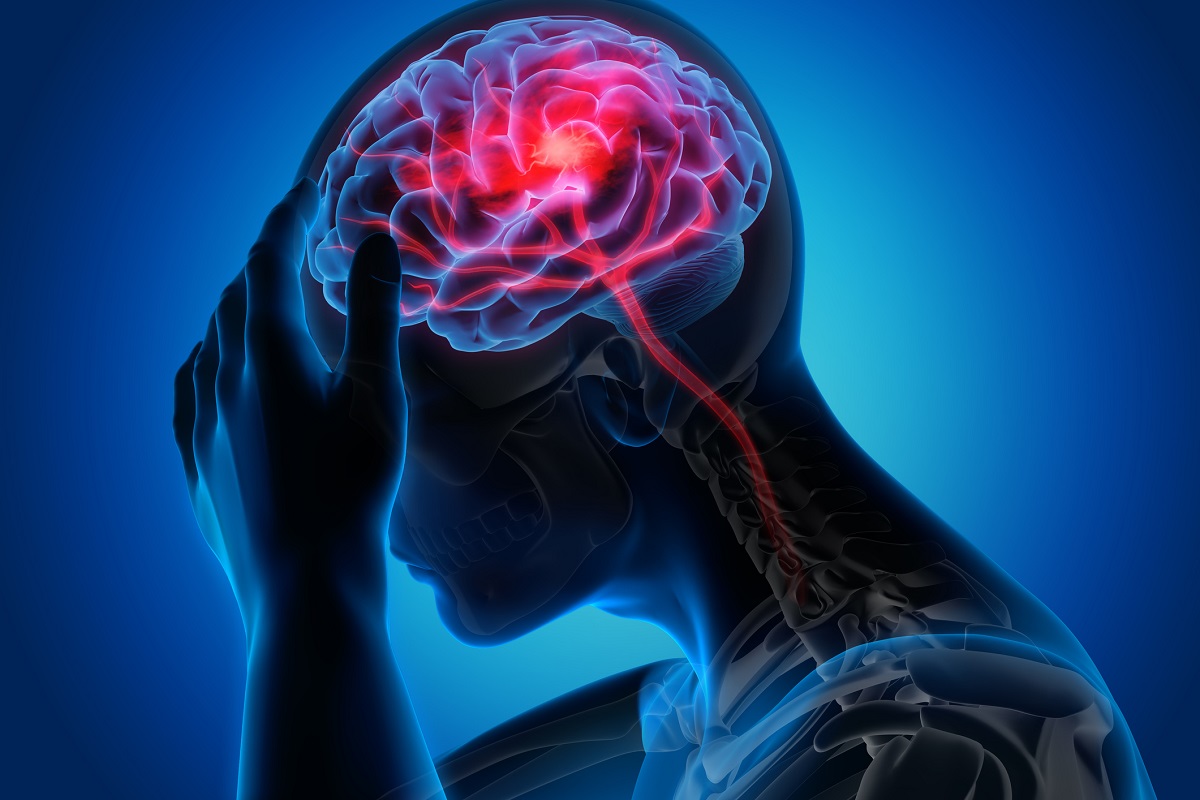
Stroke: When Every Minute Can Change the Brain

Beyond Smoking: How Advanced Diagnostics Are Changing the Future of Lung Cancer Care
The Evolution of Modern Spine Surgery
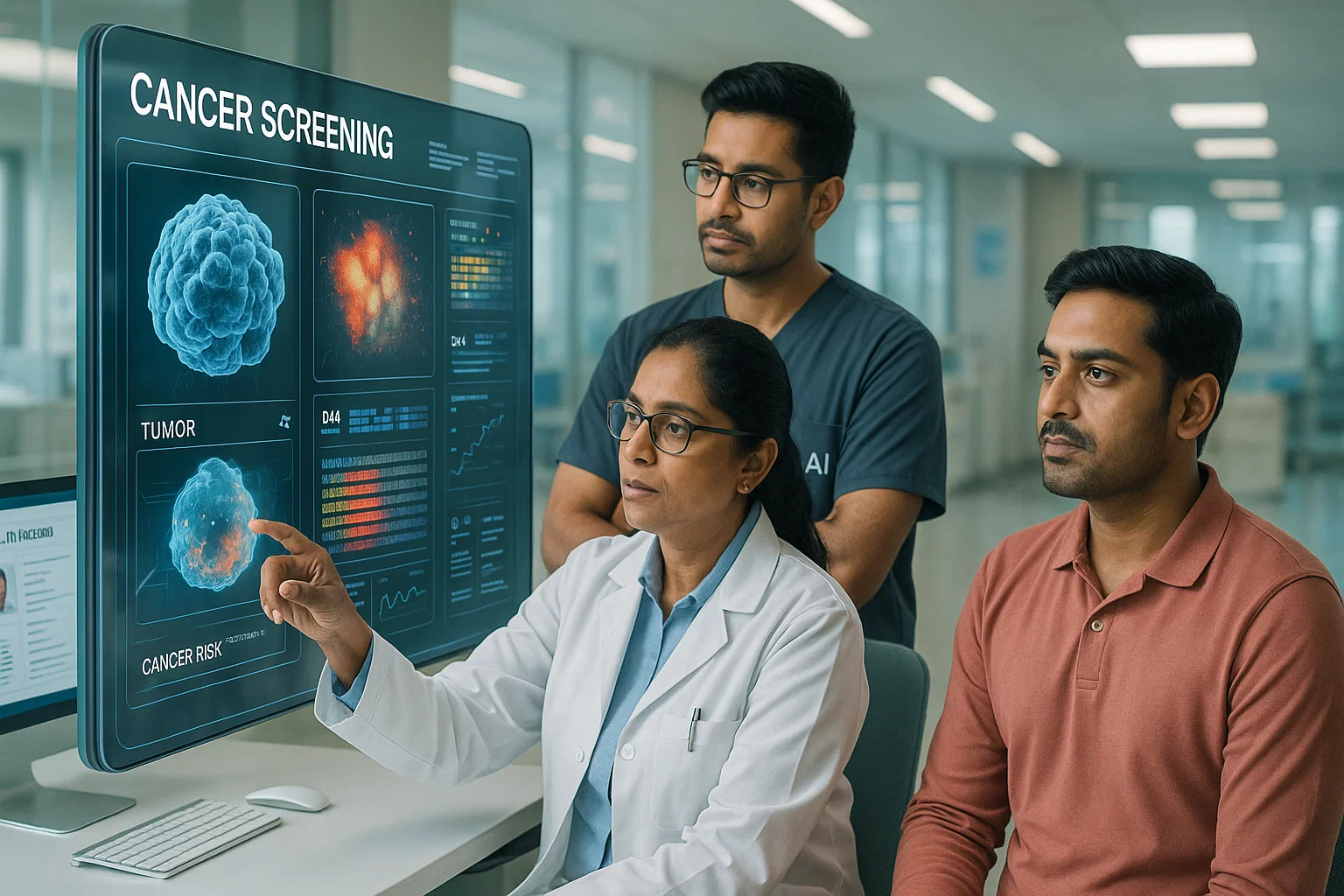
Beyond Awareness: The Critical Role of Early Cancer Diagnosis
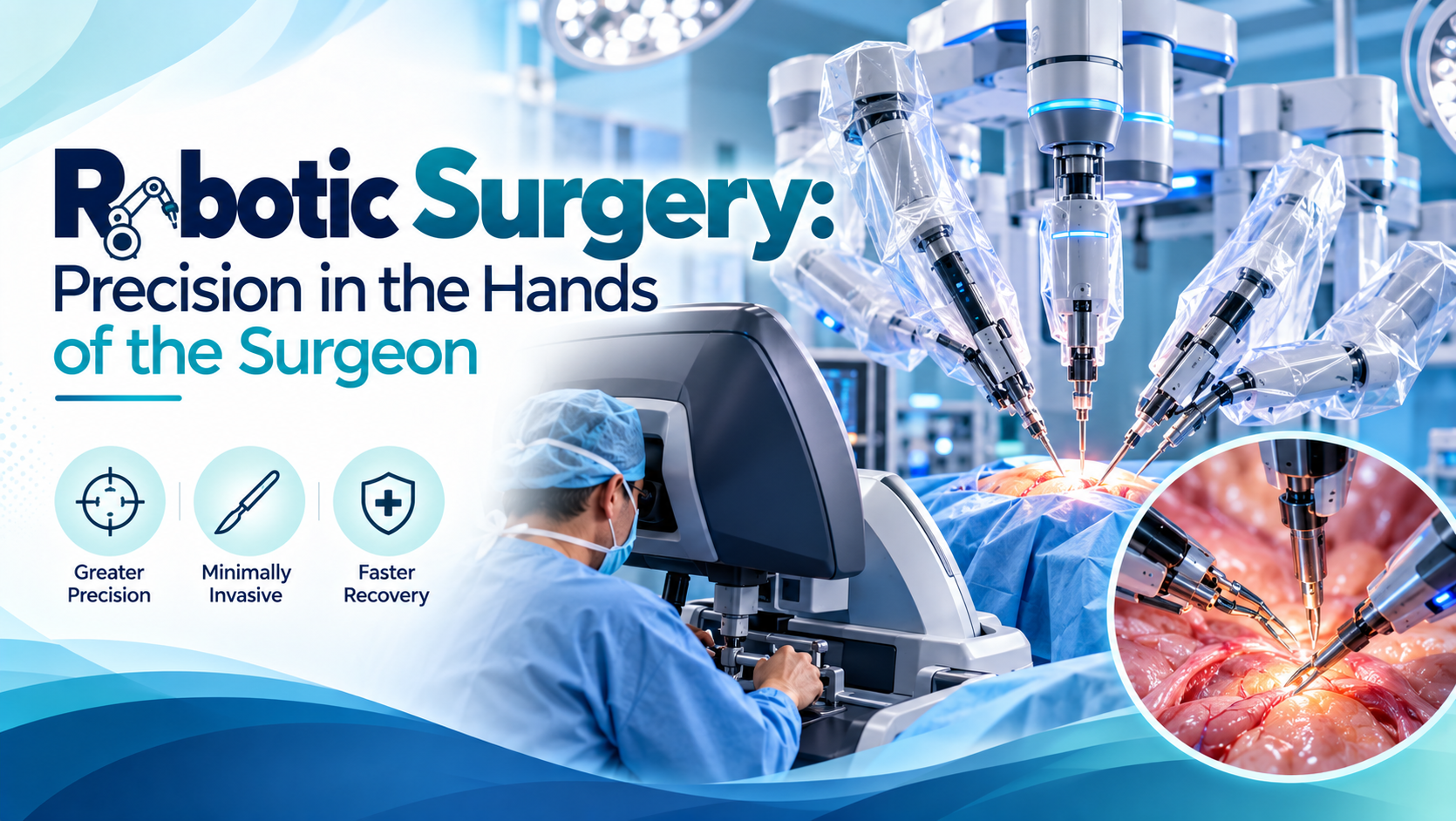
Robotic Surgery: Precision in the Hands of the Surgeon
Behind the Mask: The Human Side of Neurointervention with Dr. Tariq Matin

Womanhood Is a Journey — Health Should Be Part of Every Stage

India's Metabolic Wake-Up Call
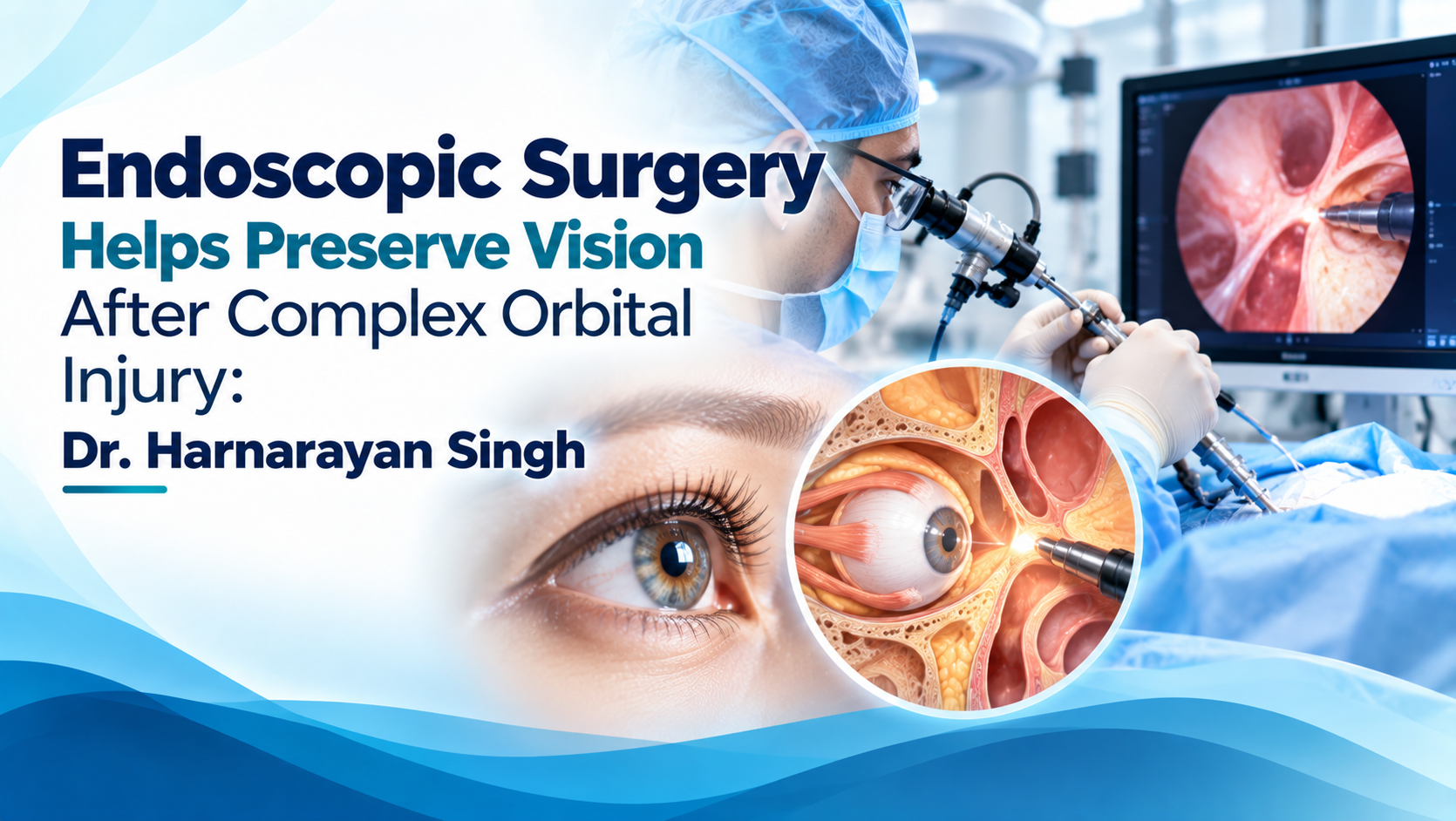
Endoscopic Surgery Helps Preserve Vision After Complex Orbital Injury: Dr. Harnarayan Singh
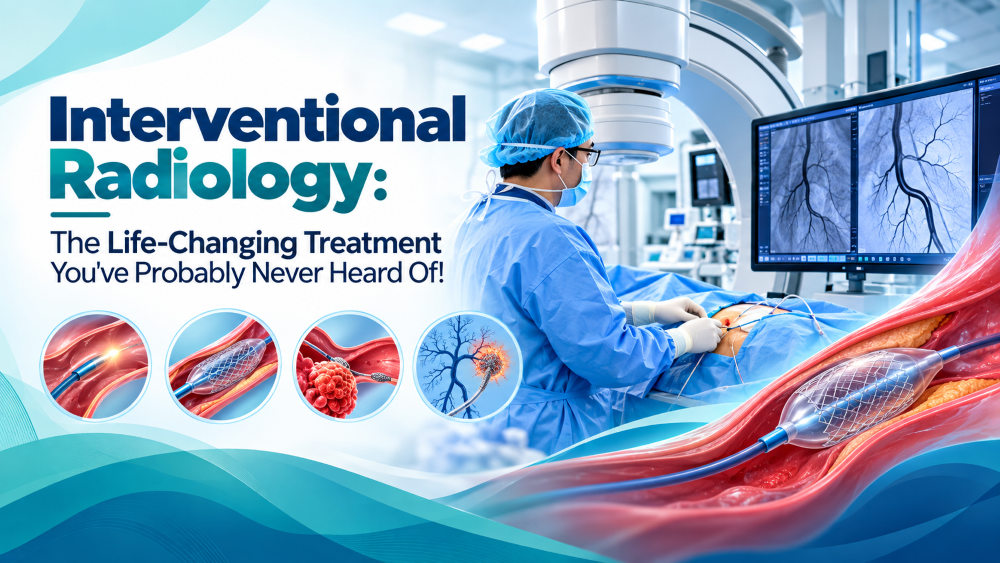
Interventional Radiology: The Life-Changing Treatment You've Probably Never Heard Of!
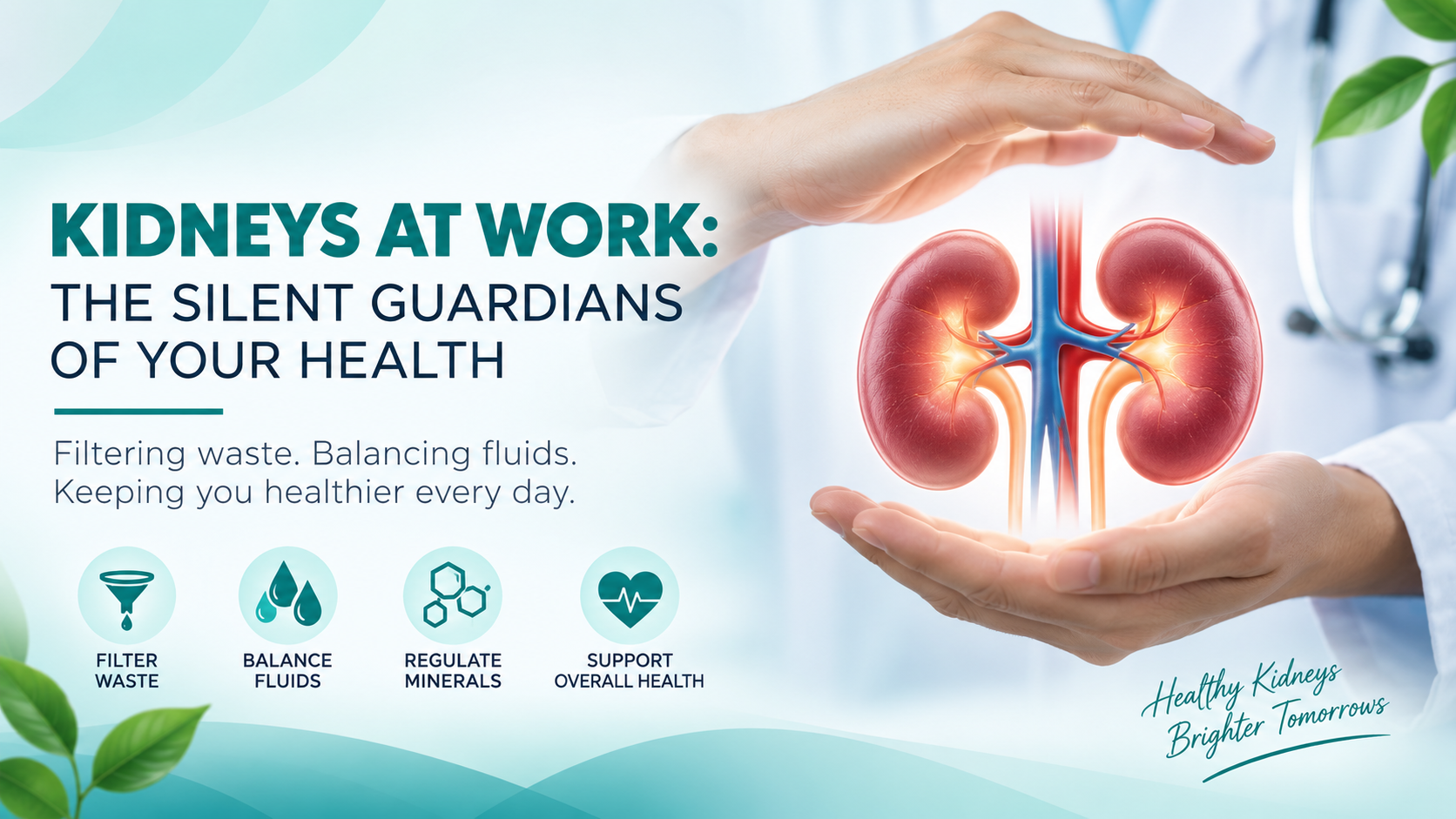
Kidneys at Work: The Silent Guardians of Your Health

Your Heart May Be Talking. Are You Listening?
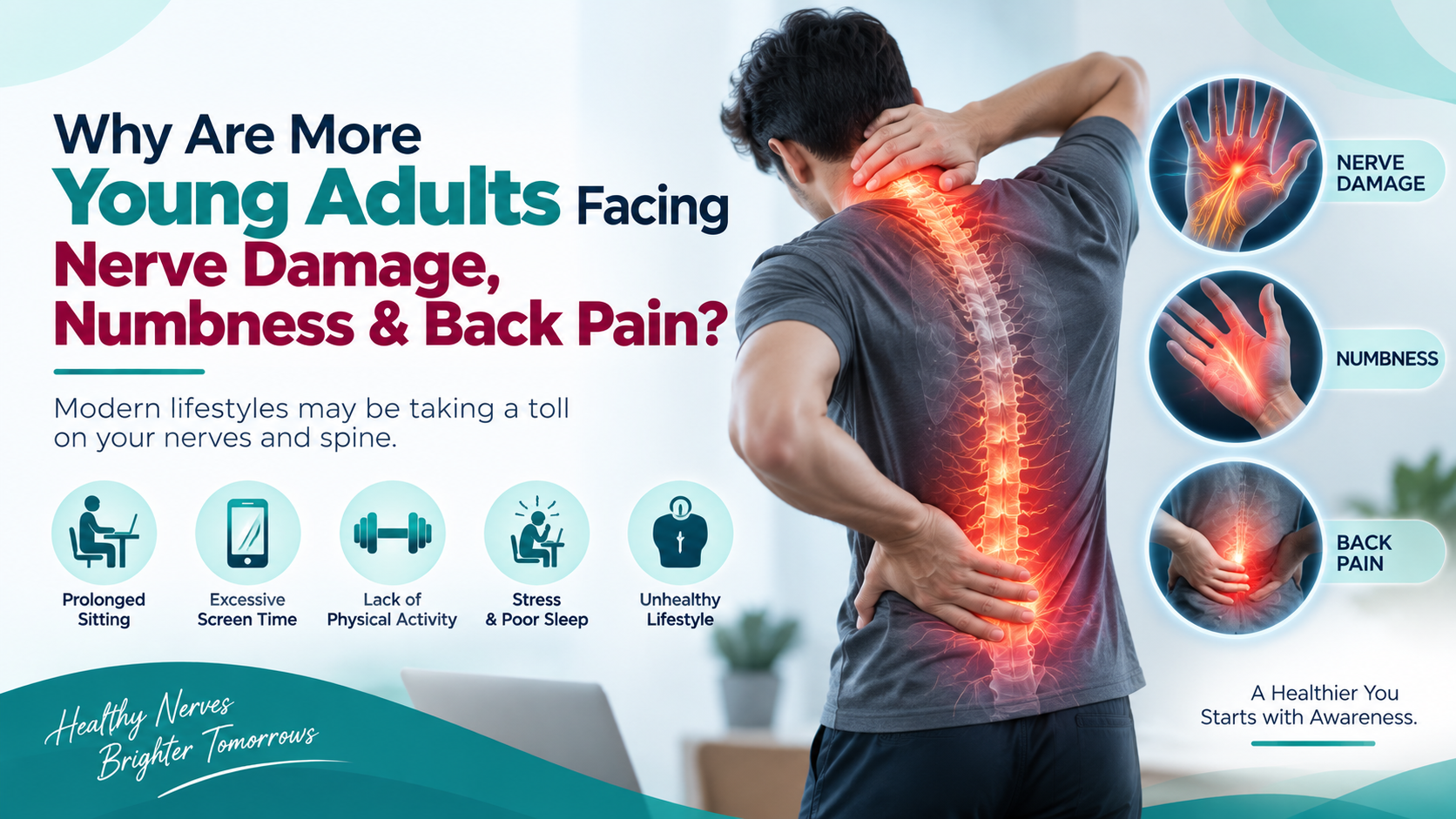
Why Are More Young Adults Facing Nerve Damage, Numbness & Back Pain?
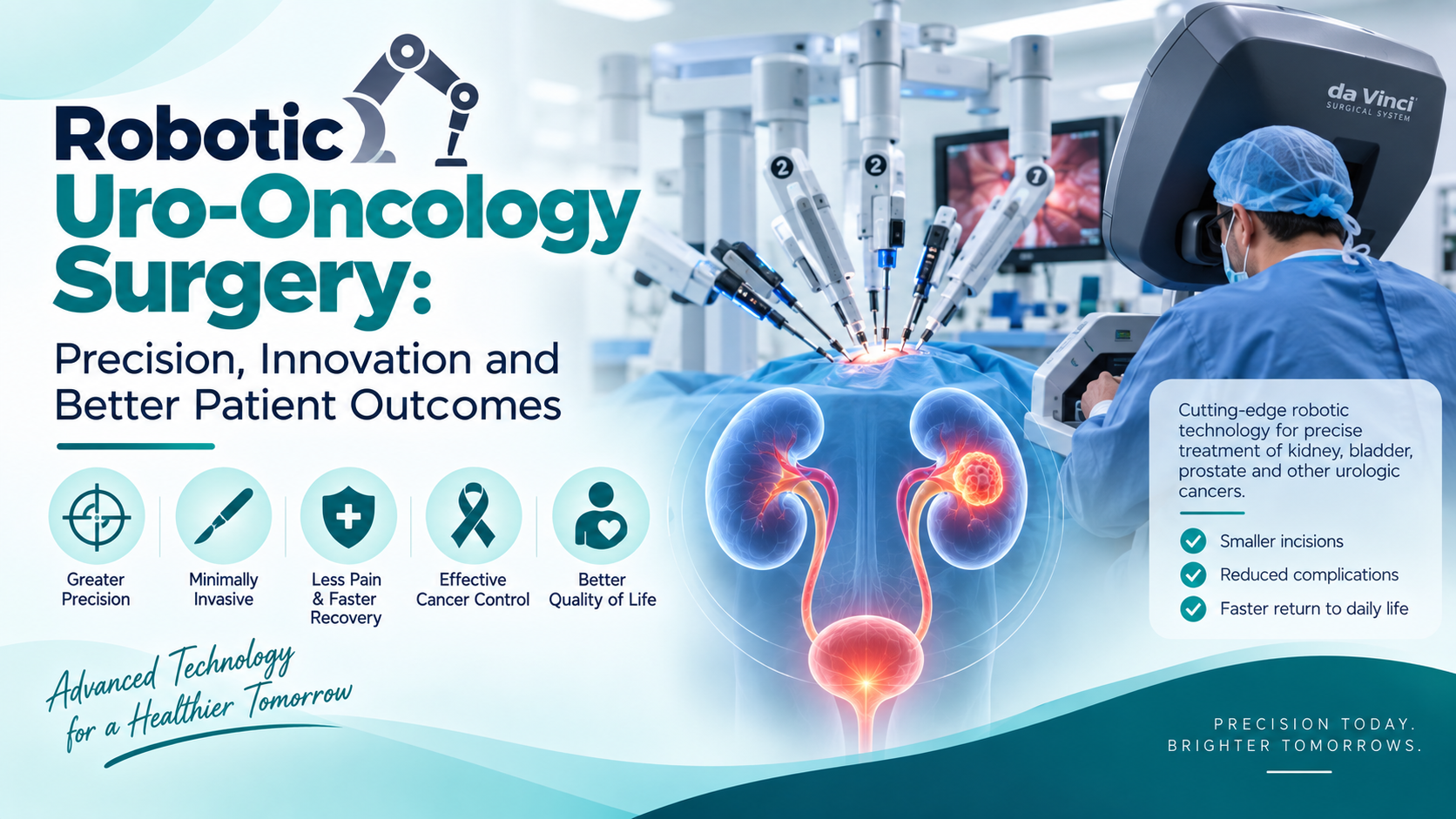
Robotic Uro-Oncology Surgery: Precision, Innovation and Better Patient Outcomes
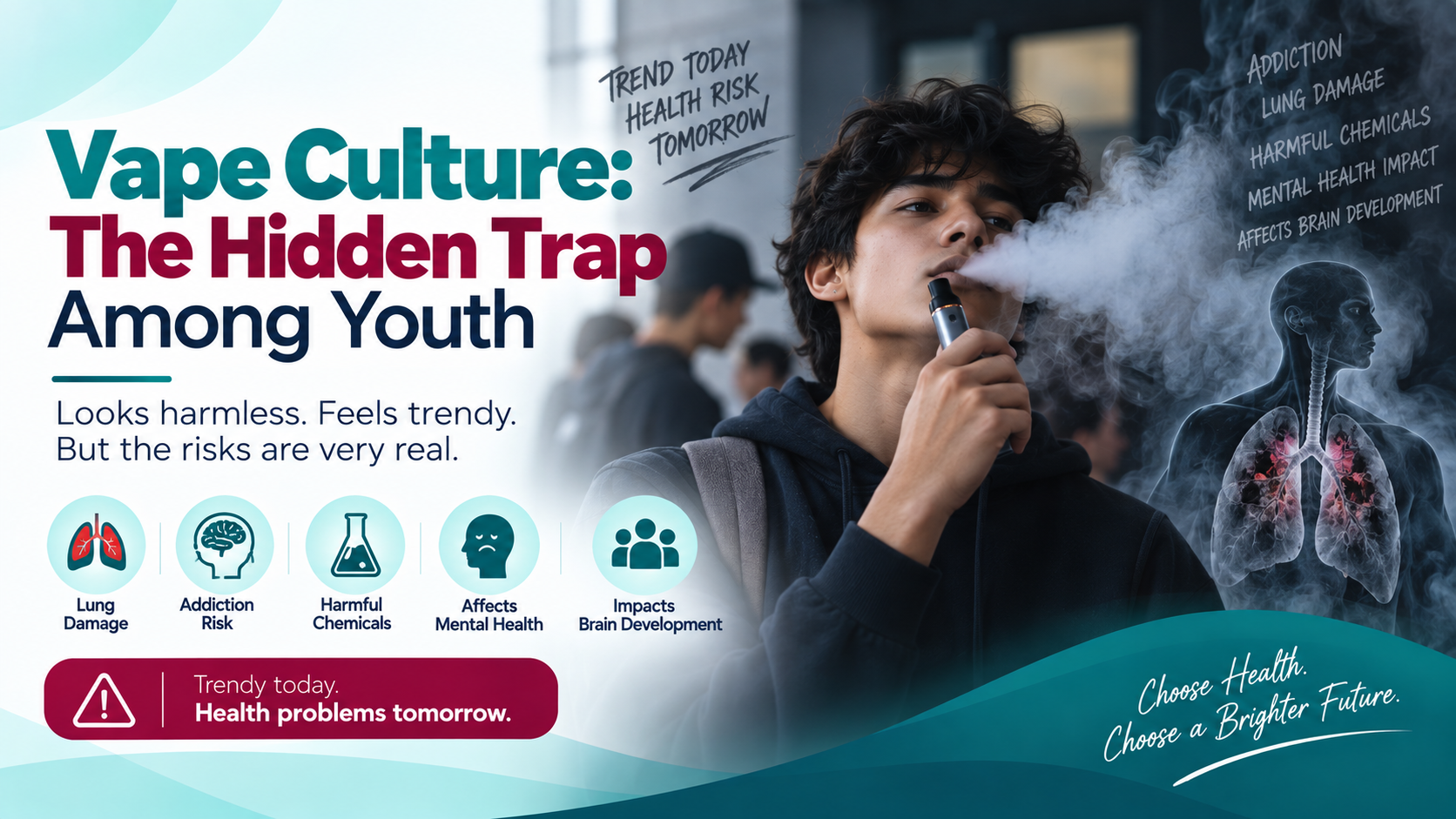
Vape Culture: The Hidden Trap Among Youth

Flu Cases Rise in NCR: Dr. Abhijeet Singh on Symptoms, Treatment & Prevention