
India's Metabolic Wake-Up Call
From the Double Burden of Malnutrition to a New Era of Obesity Care
For years, India's nutrition story was largely associated with hunger, undernutrition and nutrient deficiencies. Today, another health challenge is rapidly reshaping the picture: obesity and its growing burden of metabolic disease.
The striking reality is that undernutrition and obesity can exist within the same population—and sometimes within the same family or even across different stages of one person's life. India is experiencing what experts describe as a double burden of malnutrition, where nutritional deficiency and excess calorie consumption coexist.
According to NFHS-5 data cited by NDTV, nearly one in four Indian adults is overweight or obese, while research has also highlighted a substantial burden of abdominal obesity. Urbanisation, sedentary lifestyles, changing food patterns and greater availability of calorie-dense processed foods are among the factors contributing to this transition.
But obesity is not simply about appearance—or even the number displayed on a weighing scale.
Excess abdominal fat can be associated with insulin resistance, type 2 diabetes, hypertension, sleep apnoea and cardiovascular risk. At the same time, poor-quality diets may leave people deficient in essential protein, vitamins and minerals despite providing enough—or even excessive—calories.
This creates a paradox: a person can consume plenty of food and still be nutritionally inadequate.
The answer, therefore, cannot be reduced to "eat less" or "exercise more." Sustainable metabolic health requires a broader understanding of nutrition, movement, sleep, hormonal regulation, psychological factors and underlying disease.
When Conventional Weight-Loss Efforts Stop Working
For some people living with severe obesity, repeated attempts at dieting, exercise and medication may produce temporary results followed by weight regain. Over time, the consequences may extend beyond body weight.
Blood sugar can become difficult to control. Knee and back pain can restrict movement. Breathlessness and sleep apnoea can interfere with daily life. Medication requirements may increase, while repeated cycles of weight loss and regain can become physically and emotionally exhausting.
This is where the conversation around metabolic and bariatric surgery has evolved.
Rather than viewing surgery simply as a cosmetic shortcut, modern metabolic surgery is increasingly discussed as one component of comprehensive obesity treatment for appropriately selected patients.
Procedures such as sleeve gastrectomy and gastric bypass can influence more than stomach capacity. They can affect hunger signals, gut hormones and insulin sensitivity, creating changes that extend beyond simply eating smaller portions.
The real goal is not merely losing weight. It is improving health.
From "Hopeless" to Health-Focused
One of the most important changes after successful metabolic surgery is often seen in everyday life.
Patients may find walking easier. Sleep may improve. Energy levels can increase. Blood sugar and blood pressure may become easier to manage, sometimes allowing medication requirements to decrease under medical supervision.
For many patients, the transformation is therefore not simply measured in kilograms lost.
It can be measured in stairs climbed without stopping, better sleep, reduced joint discomfort, improved mobility and greater independence.
Modern minimally invasive techniques have also changed the surgical experience. Many bariatric procedures are performed laparoscopically, and robotic-assisted approaches may be used in selected cases. Smaller incisions can contribute to reduced postoperative discomfort and shorter hospital stays, although recovery and outcomes vary from patient to patient.
Surgery Is Not the Finish Line
Perhaps the most important message is that metabolic surgery is not a replacement for healthy habits.
After surgery, patients require structured dietary progression, adequate protein, vitamin and mineral supplementation where prescribed, physical activity and regular medical follow-up. Long-term monitoring is essential because nutritional deficiencies can occur if postoperative dietary and supplementation requirements are not followed appropriately.
This makes obesity care a long-term partnership between patient and healthcare team—not a single procedure.
India Needs a Bigger Conversation About Nutrition
India's obesity challenge cannot be separated from its broader nutrition challenge.
The same environment that makes nutrient-rich foods difficult to access for some populations can also make inexpensive, calorie-dense processed foods readily available. Meanwhile, increasingly sedentary lifestyles mean that daily energy expenditure may be falling even as calorie intake rises.
A healthier future requires attention to both sides of the nutrition spectrum: preventing deficiency while addressing excess.
That means encouraging balanced diets rich in protein, fibre and micronutrients; reducing dependence on ultra-processed foods; promoting regular physical activity; and identifying metabolic risks earlier.
Most importantly, obesity needs to be approached as a chronic health condition rather than a failure of willpower.
The New Definition of Success
The future of obesity care is moving beyond the question: "How much weight did you lose?"
The more meaningful questions are:
- Is your blood sugar better?
- Is your blood pressure controlled?
- Are you sleeping better?
- Can you move more freely?
- Has your quality of life improved?
For patients who have struggled for years, metabolic surgery may provide a structured opportunity to regain control—but long-term success still depends on medical guidance, nutrition, movement and sustained lifestyle change.
India's Metabolic Health Story Is Changing
The challenge now is to ensure that our understanding changes with it.
Because healthcare should not simply help people become lighter. It should help them become healthier, stronger and more active for the years ahead.

The Future of Women's Surgical Care
Stroke: When Every Minute Can Change the Brain

Beyond Smoking: How Advanced Diagnostics Are Changing the Future of Lung Cancer Care
The Evolution of Modern Spine Surgery

Beyond Awareness: The Critical Role of Early Cancer Diagnosis

Robotic Surgery: Precision in the Hands of the Surgeon
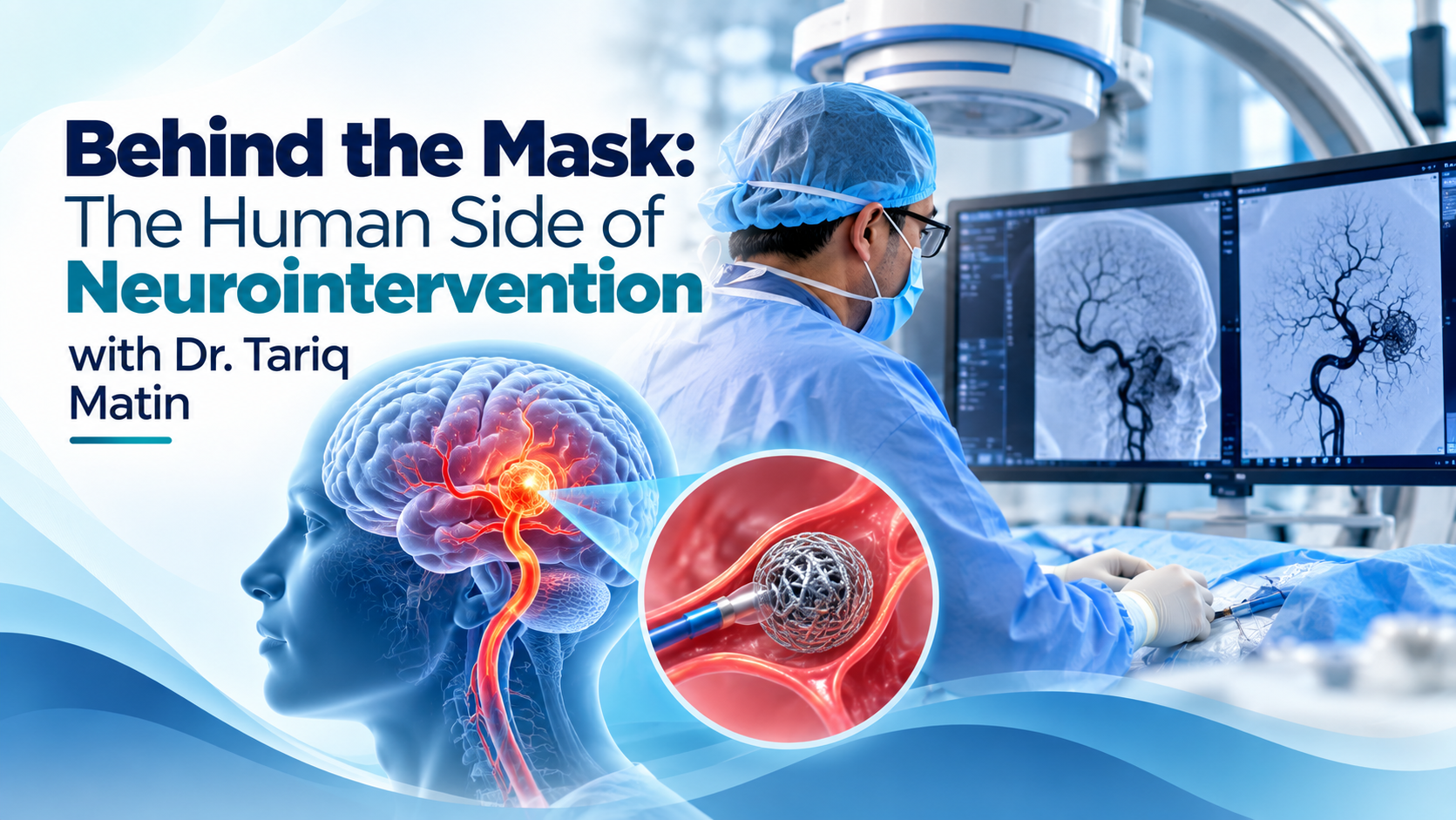
Behind the Mask: The Human Side of Neurointervention with Dr. Tariq Matin

Womanhood Is a Journey — Health Should Be Part of Every Stage
India's Metabolic Wake-Up Call

Endoscopic Surgery Helps Preserve Vision After Complex Orbital Injury: Dr. Harnarayan Singh

Interventional Radiology: The Life-Changing Treatment You've Probably Never Heard Of!
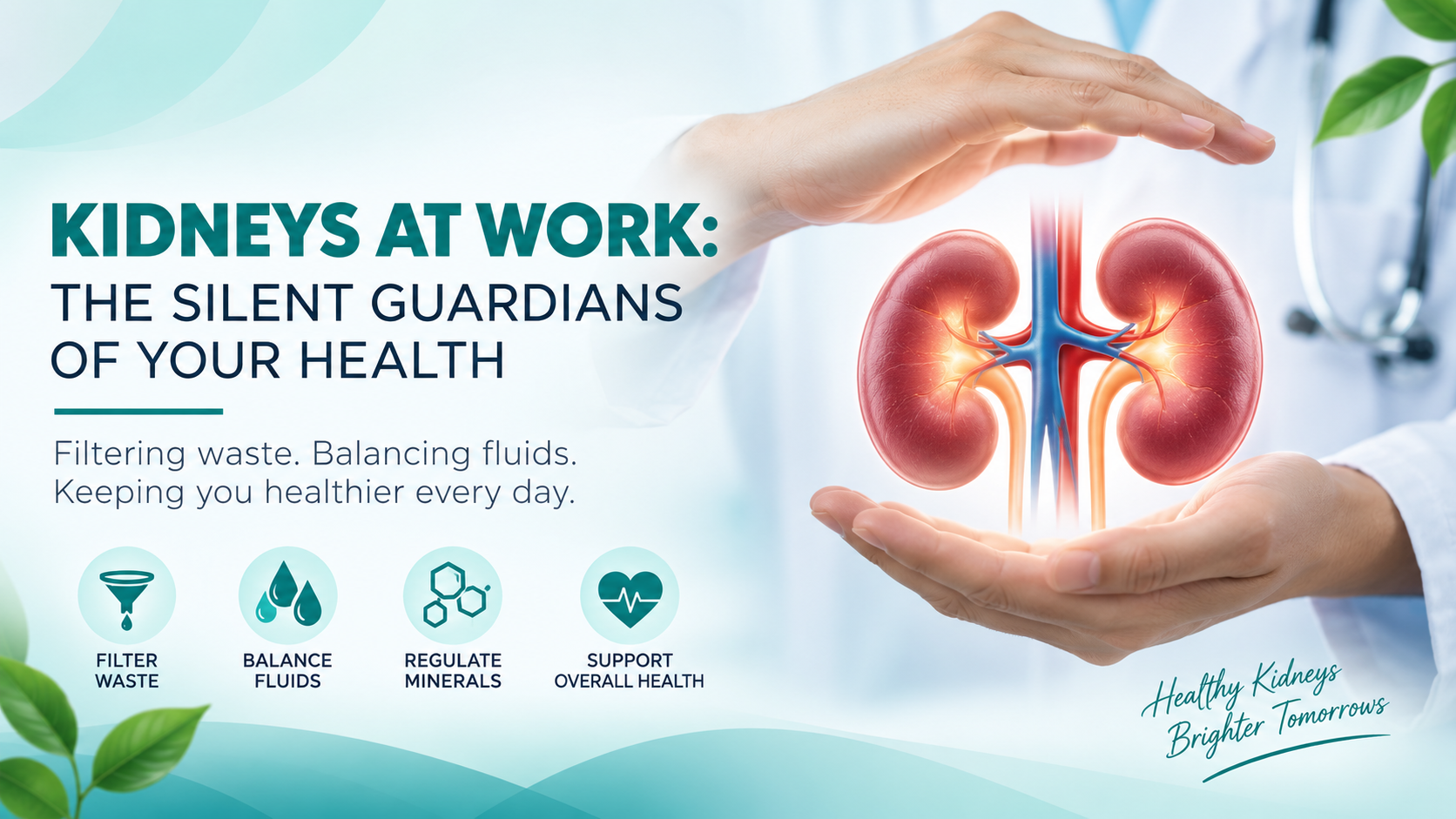
Kidneys at Work: The Silent Guardians of Your Health

Your Heart May Be Talking. Are You Listening?

Why Are More Young Adults Facing Nerve Damage, Numbness & Back Pain?
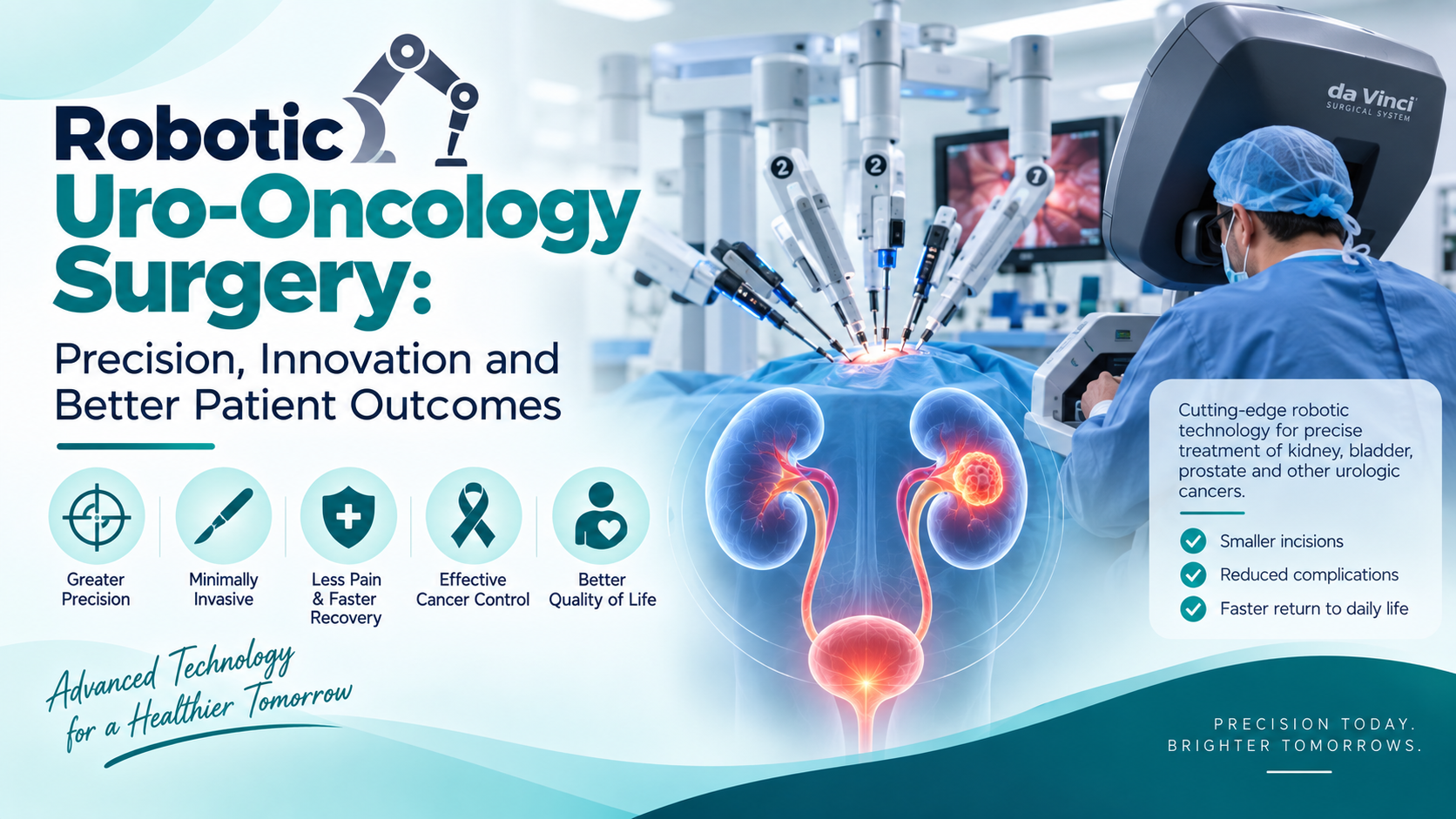
Robotic Uro-Oncology Surgery: Precision, Innovation and Better Patient Outcomes

Vape Culture: The Hidden Trap Among Youth

Flu Cases Rise in NCR: Dr. Abhijeet Singh on Symptoms, Treatment & Prevention