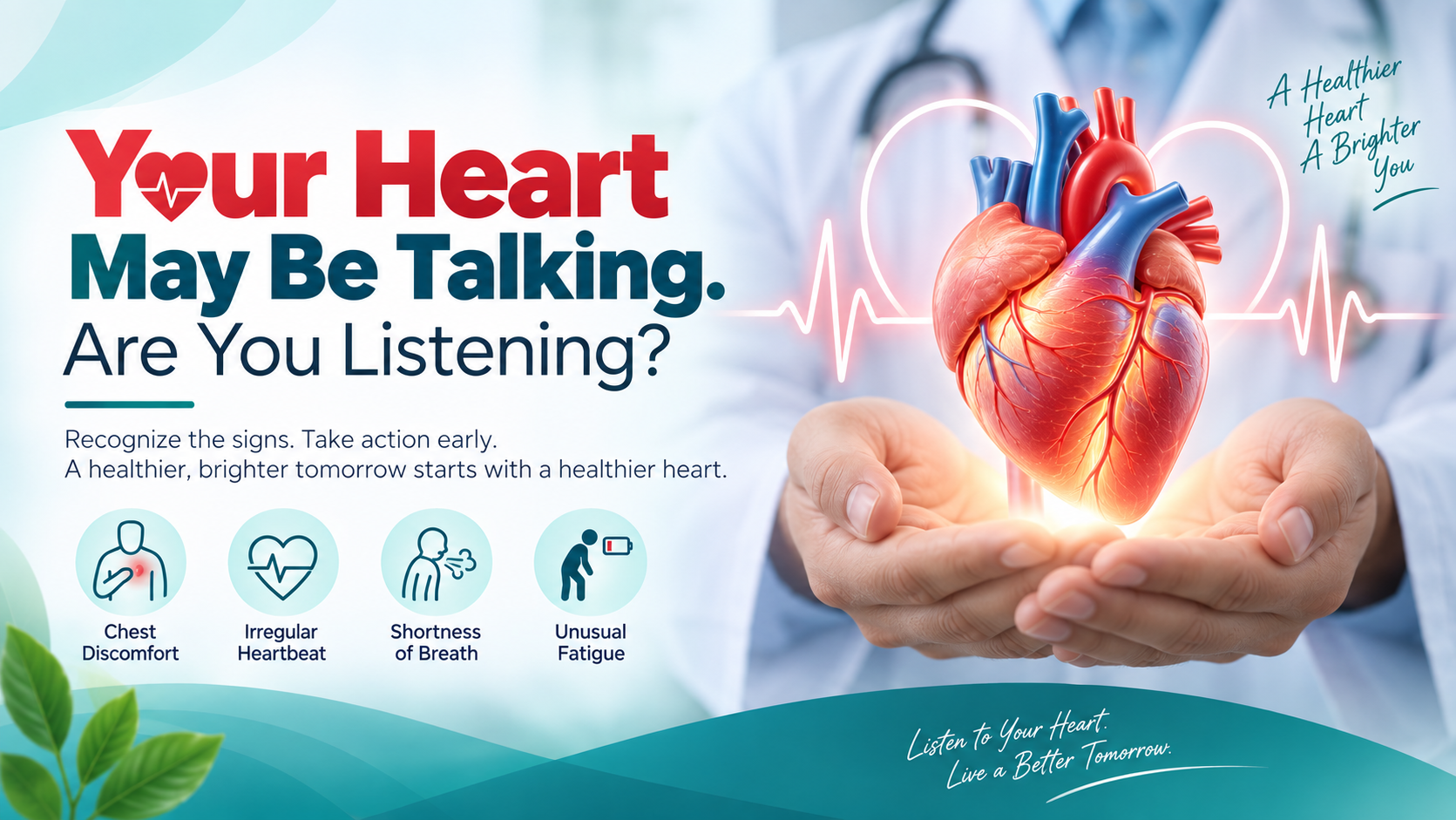
Your Heart May Be Talking. Are You Listening?
This World Heart Day, Dr Yatin Arora explains why recognising the early signs of heart disease and acting at the right time can make all the difference.
By Dr Yatin Arora
Associate Director & Head – CTVS (Adult & Paediatric), Asian Institute of Medical
Sciences, Faridabad
We often imagine a heart problem as a dramatic event—a sudden chest pain, a collapse or an emergency trip to the hospital. But the reality can be very different.
Sometimes, the heart whispers before it screams. It may be unusual breathlessness while climbing stairs, tiredness that feels disproportionate to the day's activity, a feeling of heaviness in the chest that comes and goes, unexplained sweating, dizziness or a noticeable reduction in exercise capacity. Because these symptoms can appear ordinary, they are easy to dismiss.
This is why World Heart Day, observed on 29 September, is an important reminder to understand what our heart may be telling us—and why listening early can be lifesaving.
Heart Disease Does Not Always Look Like Heart Disease
One of the biggest challenges in cardiovascular health is that heart disease does not always present dramatically.
A person may blame breathlessness on age, fatigue on a busy lifestyle or chest discomfort on acidity. People with diabetes may sometimes experience fewer or less typical symptoms despite significant cardiovascular disease.
The message is not to panic over every ache or episode of tiredness. Rather, it is to recognise persistent, unusual or unexplained symptoms and seek appropriate medical advice instead of self-diagnosing them.
Early evaluation can identify cardiovascular problems before they develop into a serious emergency.
The Risk Often Builds Silently
Heart disease rarely develops overnight. For many people, cardiovascular risk accumulates gradually through a combination of high blood pressure, diabetes, high cholesterol, obesity, smoking, physical inactivity, unhealthy dietary habits, chronic stress and family history.
Some risk factors are obvious, while others can remain completely silent.
A person can look healthy while having elevated blood pressure or cholesterol. This is why preventive health checks are important, particularly for individuals with multiple risk factors or a strong family history of heart disease.
Knowing your blood pressure, blood sugar and cholesterol levels is a simple but powerful starting point.
Prevention does not always require dramatic lifestyle changes. Regular physical activity, a balanced diet, maintaining a healthy weight, avoiding tobacco, adequate sleep and effective management of existing medical conditions can collectively make a significant difference to cardiovascular health.
The Heart of a Child Deserves Attention Too
When we talk about heart disease, we naturally think about adults. But heart health begins much earlier.
Children can be born with structural abnormalities of the heart, commonly known as congenital heart disease. Some conditions are detected during pregnancy or soon after birth, while others may become noticeable later in childhood.
Signs Parents Should Watch For
- Difficulty feeding
- Excessive sweating while feeding
- Rapid breathing
- Poor weight gain
- Bluish discoloration
- Unusual tiredness during physical activity
These symptoms can have several causes and do not necessarily mean that a child has heart disease. However, persistent or unexplained symptoms deserve appropriate medical evaluation.
Advances in paediatric cardiology, cardiac imaging, surgery and intensive care have significantly improved outcomes for many children with congenital heart conditions. With timely diagnosis and specialised treatment, many can grow up to lead active and fulfilling lives.
When Surgery Becomes Part of the Solution
Not every heart condition requires surgery. Modern cardiac care increasingly focuses on selecting the right treatment for the right patient at the right time.
When surgery is necessary, advances in cardiac surgery, anaesthesia, critical care and perioperative management have expanded the possibilities for treating complex cardiac conditions.
Surgical Options May Include
- Coronary artery bypass surgery
- Valve repair or replacement
- Surgery for diseases of the aorta
- Procedures for congenital heart conditions in children and adults
But cardiac surgery is not simply about performing an operation. It is about understanding the patient's condition, assessing the risks and benefits, considering available treatment options and developing a plan that addresses both immediate disease and long-term quality of life.
The ultimate goal is to help patients return to their families, work, activities and the life they value.
Don't Wait for an Emergency
One of the most important misconceptions about heart health is that prevention begins after a diagnosis. It should begin long before that.
Take Action Now
- Take blood pressure seriously
- Manage diabetes
- Monitor cholesterol
- Stay physically active
- Eat mindfully
- Avoid tobacco
- Understand your family history
- Do not ignore symptoms simply because they seem minor
For people who already have heart disease, regular follow-up and adherence to medical advice are equally important.
If significant or persistent chest discomfort, severe breathlessness, fainting or other concerning symptoms occur, timely medical attention should not be delayed.
This World Heart Day, Listen a Little More Carefully
Our hearts work continuously, beating thousands of times every day without asking for our attention. Perhaps that is why we notice them only when something goes wrong.
This World Heart Day, let us change that.
Let us understand our cardiovascular risk, recognise warning signs and make heart health part of everyday life. For parents, it means paying attention to a child's growth, activity and unusual symptoms. For adults, it means not dismissing changes in exercise tolerance, breathlessness or chest discomfort.
Heart health is not about achieving perfection. It is about making better choices consistently and seeking help when something does not feel right.
Your heart may be talking to you long before it becomes an emergency. This World Heart Day, make sure you are listening.
About the Expert
Dr Yatin Arora is Associate Director & Head – CTVS (Adult & Paediatric) at Asian Institute of Medical Sciences, Faridabad, providing specialised surgical care for adult and paediatric cardiac and cardiothoracic conditions.
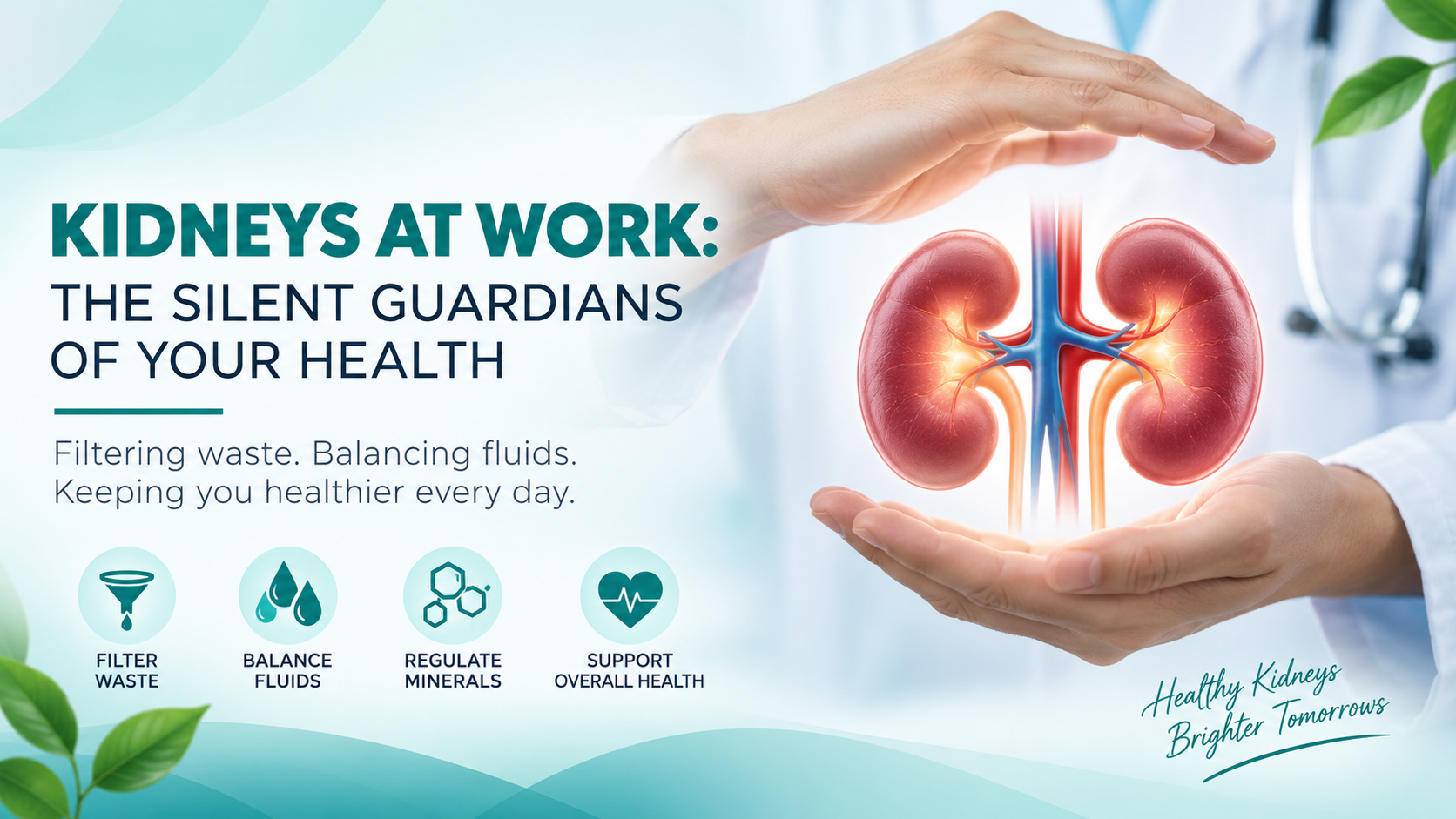
Kidneys at Work: The Silent Guardians of Your Health
Your Heart May Be Talking. Are You Listening?
Why Are More Young Adults Facing Nerve Damage, Numbness & Back Pain?
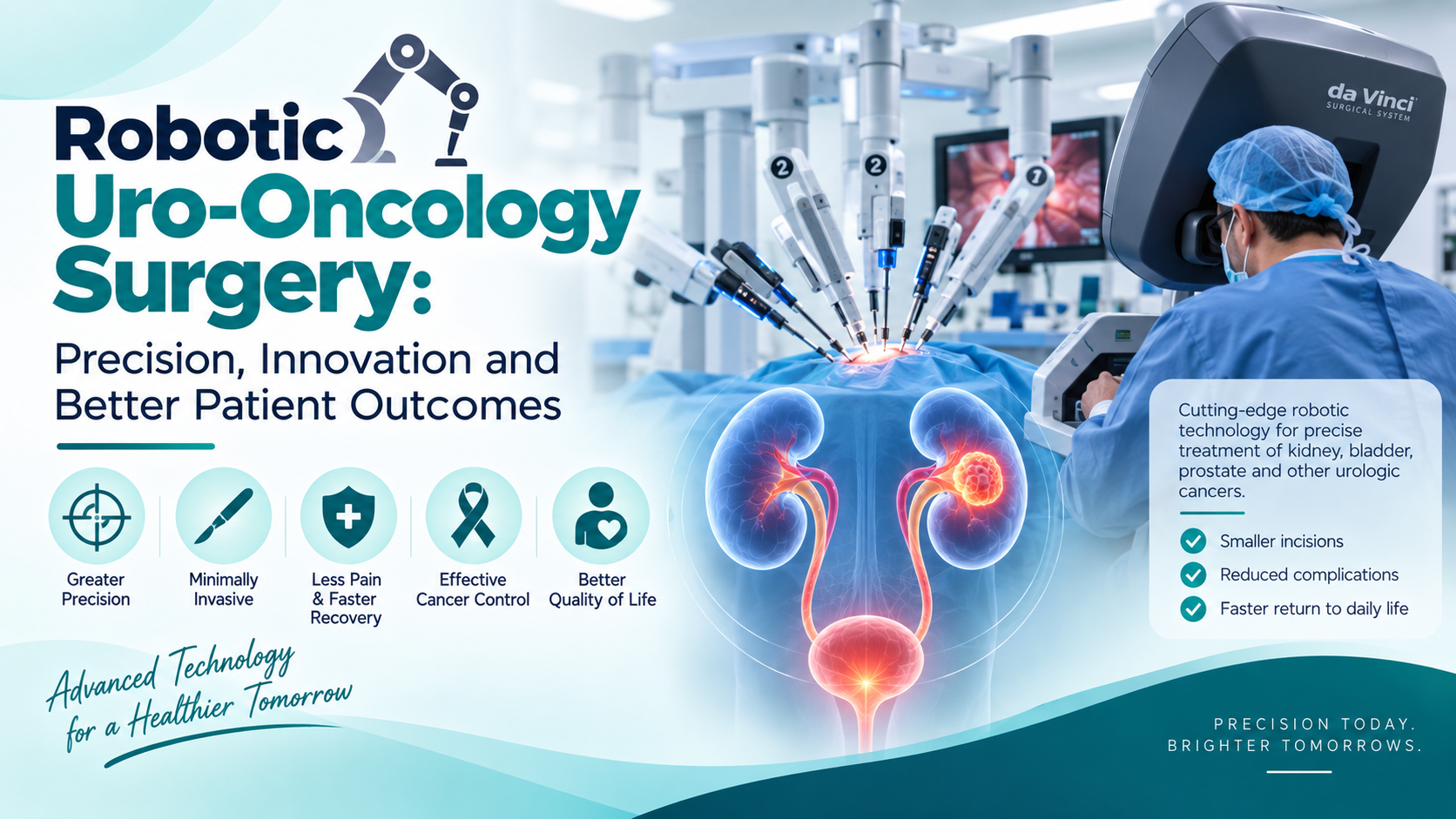
Robotic Uro-Oncology Surgery: Precision, Innovation and Better Patient Outcomes
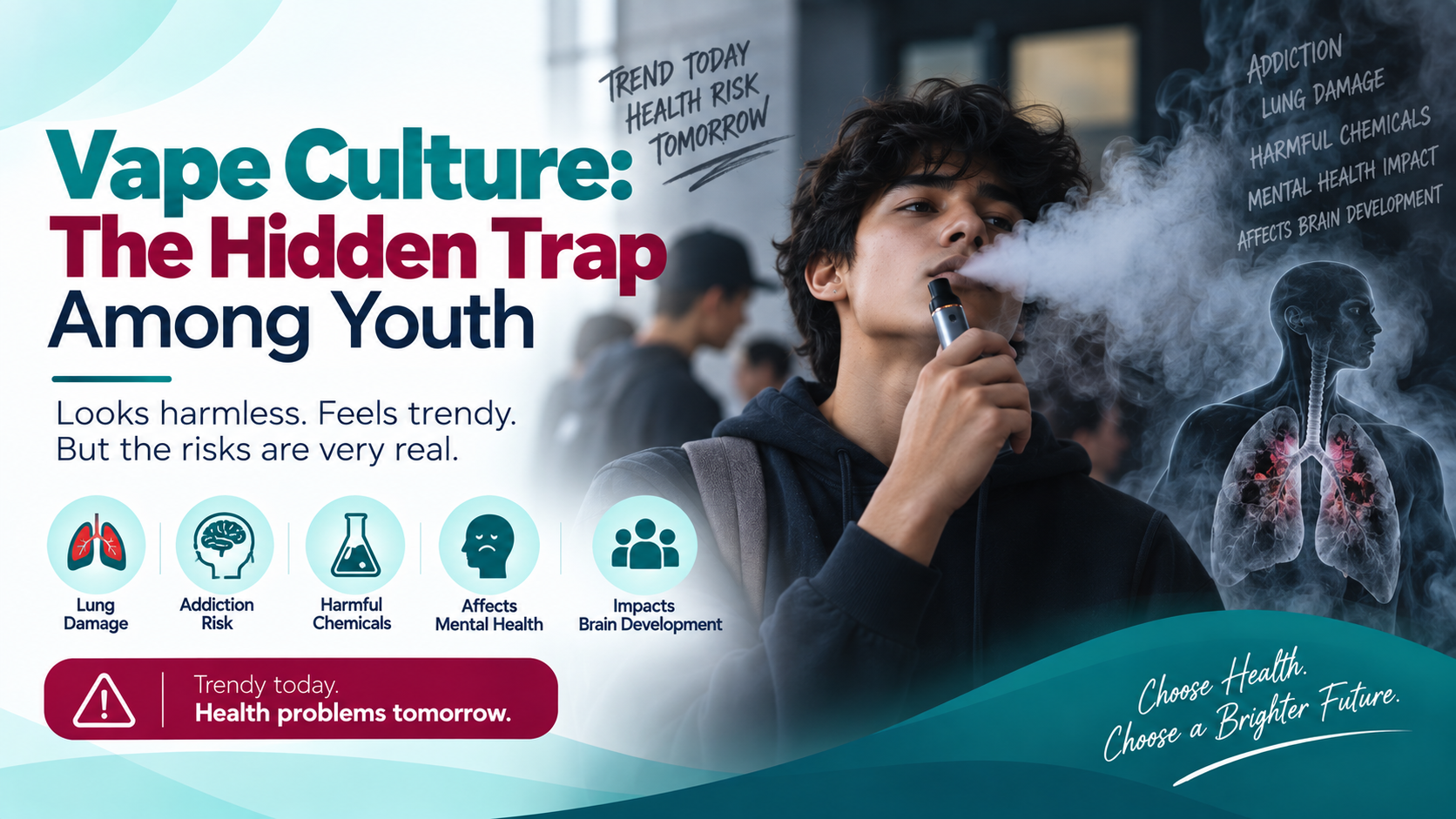
Vape Culture: The Hidden Trap Among Youth
Flu Cases Rise in NCR: Dr. Abhijeet Singh on Symptoms, Treatment & Prevention