the future of women’s surgical care
When a woman is advised to undergo surgery, her concerns extend far beyond the procedure itself. Will the surgery be painful? How long will recovery take? Will she be able to return to work, family responsibilities and everyday activities? And, in some cases, will the treatment affect her fertility or future plans for motherhood?
These are important questions in modern gynaecological care. Today, advances in minimally invasive surgery are helping address many of these concerns by offering carefully selected patients alternatives to conventional open surgery.
Among these developments, robot-assisted surgery is emerging as an important option in selected gynaecological procedures, combining a surgeon’s clinical expertise with advanced technology designed to support precision and control.
At Fortis Hospital, Noida, women’s healthcare is guided by the need to evaluate each patient individually, understand her condition and recommend a treatment plan that balances medical effectiveness with long-term well-being.
Beyond Traditional Surgery: A More Precise Approach
Gynaecological conditions can range from uterine fibroids and endometriosis to ovarian cysts, pelvic adhesions, abnormal uterine bleeding and certain gynaecological cancers. While many of these conditions can be managed through medication or observation, surgery may become necessary when symptoms persist, complications arise or definitive treatment is required.
Traditional open surgery may involve a larger incision and a longer recovery period. Conventional minimally invasive surgery, including laparoscopy, uses smaller incisions and specialised instruments to perform procedures within the abdomen and pelvis.
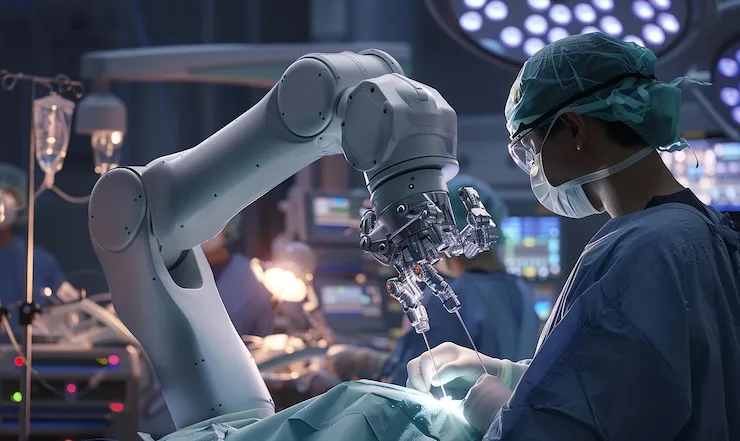
Robot-assisted surgery builds on this minimally invasive approach. It uses a sophisticated surgical system through which the surgeon controls specialised instruments from a console. A high-definition, three-dimensional view and articulated instruments can support precise movements in complex and confined anatomical spaces.
Importantly, the robot does not perform surgery independently. The surgeon remains in control throughout the procedure, making clinical decisions and directing every movement of the instruments.
This distinction matters. The technology is a tool that supports the surgeon’s skill and judgement; it does not replace them.
Why Precision Matters in Gynaecology
The female pelvis contains several closely positioned structures, including the uterus, ovaries, bladder, bowel, blood vessels and nerves. Surgical treatment in this region may require careful dissection and reconstruction while protecting surrounding healthy tissues.
Robotic technology can offer advantages in selected procedures through enhanced visualisation, instrument articulation and ergonomic control. These features may be particularly helpful when operating in confined spaces or performing technically demanding surgical steps.
For women undergoing surgery for uterine fibroids, endometriosis, complex hysterectomy or selected gynaecological cancers, the choice of surgical approach depends on the nature of the disease, its extent, the patient's overall health and the surgeon's experience.
The objective is not simply to remove diseased tissue. It is to treat the underlying condition effectively while avoiding unnecessary disruption to healthy structures wherever medically possible.
When Less Invasive Surgery Can Make a Difference
For appropriately selected patients, minimally invasive approaches may offer benefits such as smaller incisions, less postoperative discomfort, reduced blood loss in some procedures, shorter hospital stays and an earlier return to routine activities.
However, these outcomes vary according to the procedure, the complexity of the condition and the individual patient. Robotic surgery is not automatically the best choice for every woman, and open or conventional laparoscopic surgery may be more suitable in certain circumstances.
A detailed consultation, appropriate investigations and a discussion of available treatment options remain essential before deciding on the surgical approach.
The real measure of successful surgery is not the technology used, but the quality of treatment and the patient's long-term well-being.
PAGE 2 | FROM ADVANCED TECHNOLOGY TO PERSONALised CARE
Treating the Condition While Protecting What Matters
Consider a woman diagnosed with symptomatic uterine fibroids who experiences heavy menstrual bleeding, pelvic pressure and difficulty managing her daily routine. If medication is no longer effective or surgery becomes necessary, treatment planning must consider several factors: the size and location of the fibroids, the severity of symptoms, her age and whether she wishes to have children in the future.
In selected cases, a myomectomy—the surgical removal of fibroids while preserving the uterus—may be appropriate. A minimally invasive approach, including robotic-assisted surgery where available and suitable, may help the surgeon perform precise dissection and reconstruct the uterine wall.
For women who wish to preserve fertility, this consideration can be especially important. Nevertheless, fertility outcomes depend on multiple factors, and no surgical technique can guarantee a future pregnancy.
This illustrates a central principle of modern gynaecology: treatment must be designed around the woman, not merely the diagnosis.
Robotic Surgery Across Gynaecological Conditions
Robotic-assisted surgery may be considered in selected cases involving:
- Uterine Fibroids: Depending on their size, location and number, fibroids may require medical management or surgery. Myomectomy may be an option for women seeking to preserve the uterus.
- Endometriosis: In complex cases, surgery may be considered to remove endometriosis lesions and adhesions. Treatment requires careful assessment of disease extent, symptoms and potential risks to surrounding organs.
- Hysterectomy: Removal of the uterus may be recommended for certain benign conditions when other treatments are unsuitable or unsuccessful. The surgical route depends on individual clinical factors.
- Gynaecological Cancers: Selected patients with certain cancers may be candidates for minimally invasive surgery. The approach must follow appropriate oncological principles, with cancer clearance and patient safety taking priority over the choice of technology.
In every case, the decision should be based on established clinical indications, the expected benefits and risks, and the expertise available.
Recovery Is More Than Healing an Incision
For many women, the prospect of surgery raises concerns about time away from work, family responsibilities and personal commitments. Recovery planning is therefore an essential part of treatment.
When a minimally invasive approach is appropriate, smaller incisions may contribute to less postoperative discomfort and an earlier return to normal activities compared with open surgery. The actual recovery period varies and depends on the procedure performed, the patient's health and whether complications occur.
Effective recovery also involves pain management, appropriate physical activity, follow-up consultations and clear instructions about returning to work, exercise and other daily routines.
Equally important is emotional reassurance. Women deserve an opportunity to discuss their concerns, understand the proposed treatment and participate in decisions about their care.
The Importance of Individualised Surgical Planning
Advanced technology is most valuable when supported by sound clinical judgement. Not every woman needs surgery, and not every patient who needs surgery will benefit most from a robotic approach.
A comprehensive evaluation considers the diagnosis, previous treatments, medical history, reproductive goals, surgical risks and the availability of suitable alternatives. Patients should also understand the potential complications, limitations, costs and expected recovery associated with each option.
Robotic-assisted surgery requires specialised training and appropriate infrastructure. Its use should be guided by the likely benefit to the individual patient rather than by technology alone.
For women with complex conditions, multidisciplinary collaboration may also be important, particularly when treatment involves oncology, fertility preservation or other specialist services.
Empowering Women Through Informed Choices
The progress of gynaecological surgery reflects a broader shift in women's healthcare—from treating disease alone to considering the whole person and her future.
For one woman, success may mean relief from persistent pain. For another, it may mean returning to everyday life with fewer disruptions. For someone facing a complex diagnosis, it may mean receiving appropriate treatment with a clear understanding of the available options.
Robotic technology can contribute to these goals in carefully selected cases, but the foundations of good surgical care remain unchanged: accurate diagnosis, experienced clinical judgement, transparent communication and a commitment to patient safety.
As advances continue to shape women's healthcare, the priority must remain clear: use innovation responsibly, preserve healthy tissue whenever medically appropriate and make every treatment decision with the patient's best interests in mind.
Because precision in surgery should ultimately translate into better-informed choices, thoughtful treatment and a healthier future for women.
The Future of Women's Surgical Care

Stroke: When Every Minute Can Change the Brain

Beyond Smoking: How Advanced Diagnostics Are Changing the Future of Lung Cancer Care
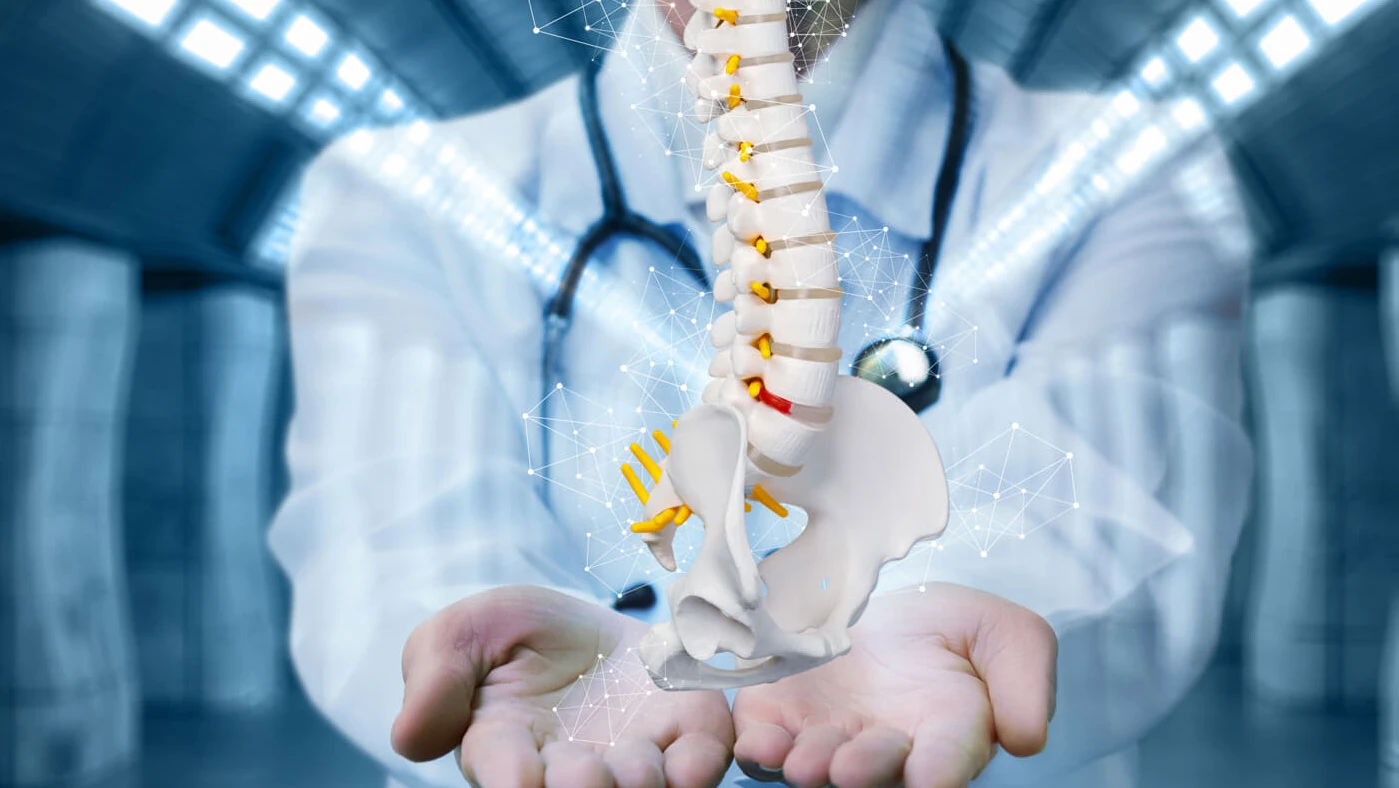
The Evolution of Modern Spine Surgery

Beyond Awareness: The Critical Role of Early Cancer Diagnosis
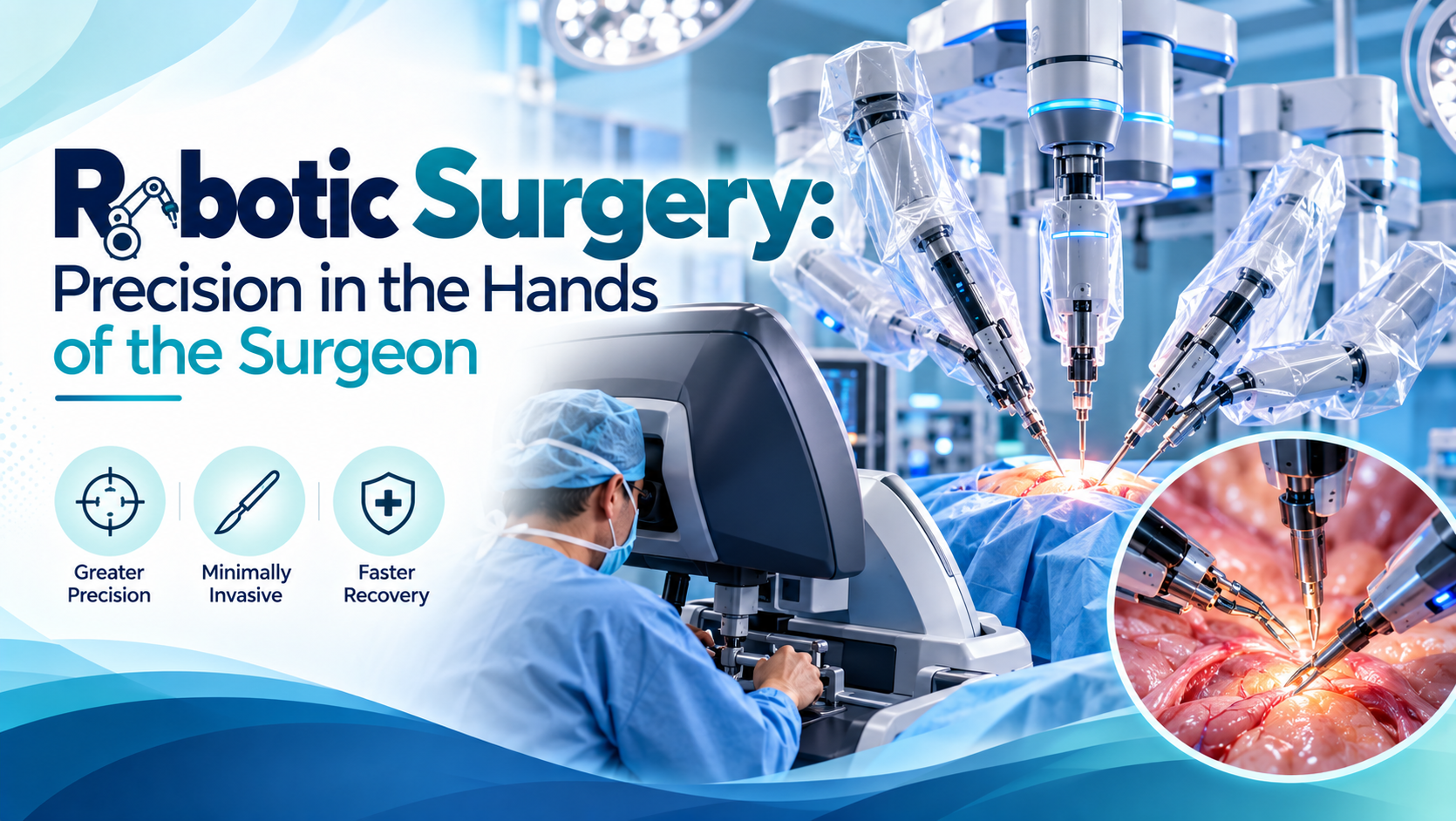
Robotic Surgery: Precision in the Hands of the Surgeon
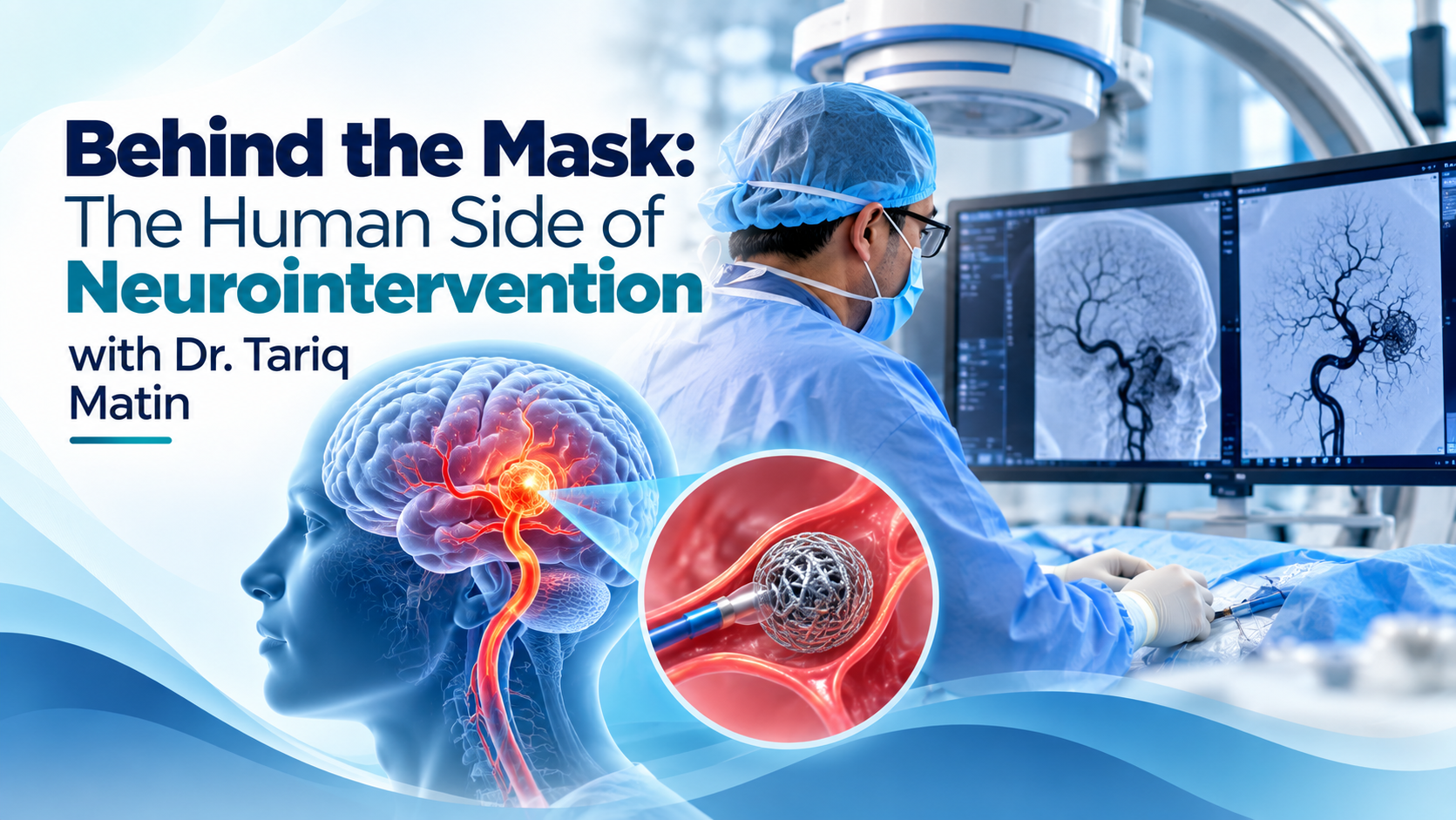
Behind the Mask: The Human Side of Neurointervention with Dr. Tariq Matin

Womanhood Is a Journey — Health Should Be Part of Every Stage

India's Metabolic Wake-Up Call

Endoscopic Surgery Helps Preserve Vision After Complex Orbital Injury: Dr. Harnarayan Singh

Interventional Radiology: The Life-Changing Treatment You've Probably Never Heard Of!

Kidneys at Work: The Silent Guardians of Your Health

Your Heart May Be Talking. Are You Listening?

Why Are More Young Adults Facing Nerve Damage, Numbness & Back Pain?
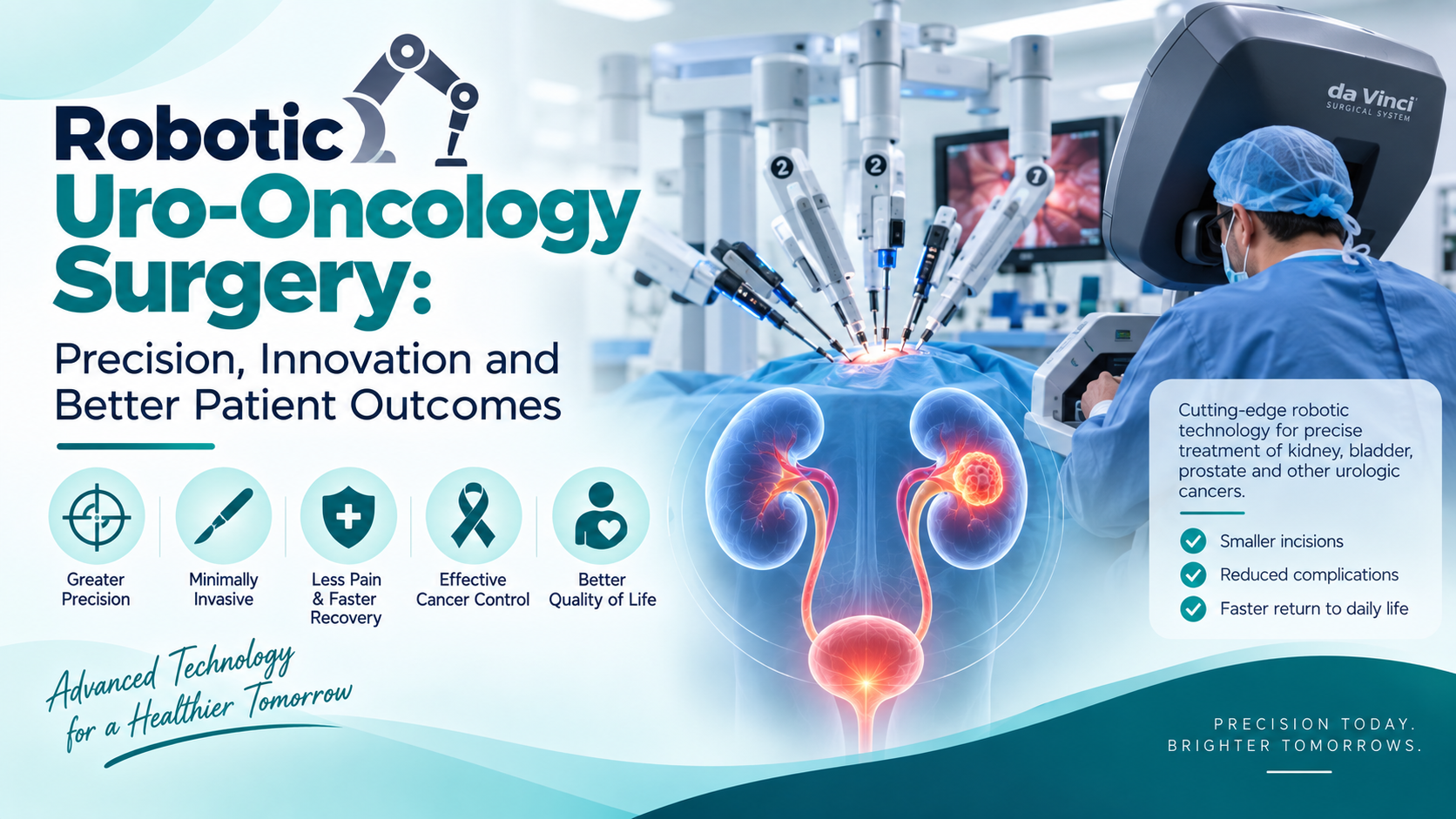
Robotic Uro-Oncology Surgery: Precision, Innovation and Better Patient Outcomes

Vape Culture: The Hidden Trap Among Youth

Flu Cases Rise in NCR: Dr. Abhijeet Singh on Symptoms, Treatment & Prevention